

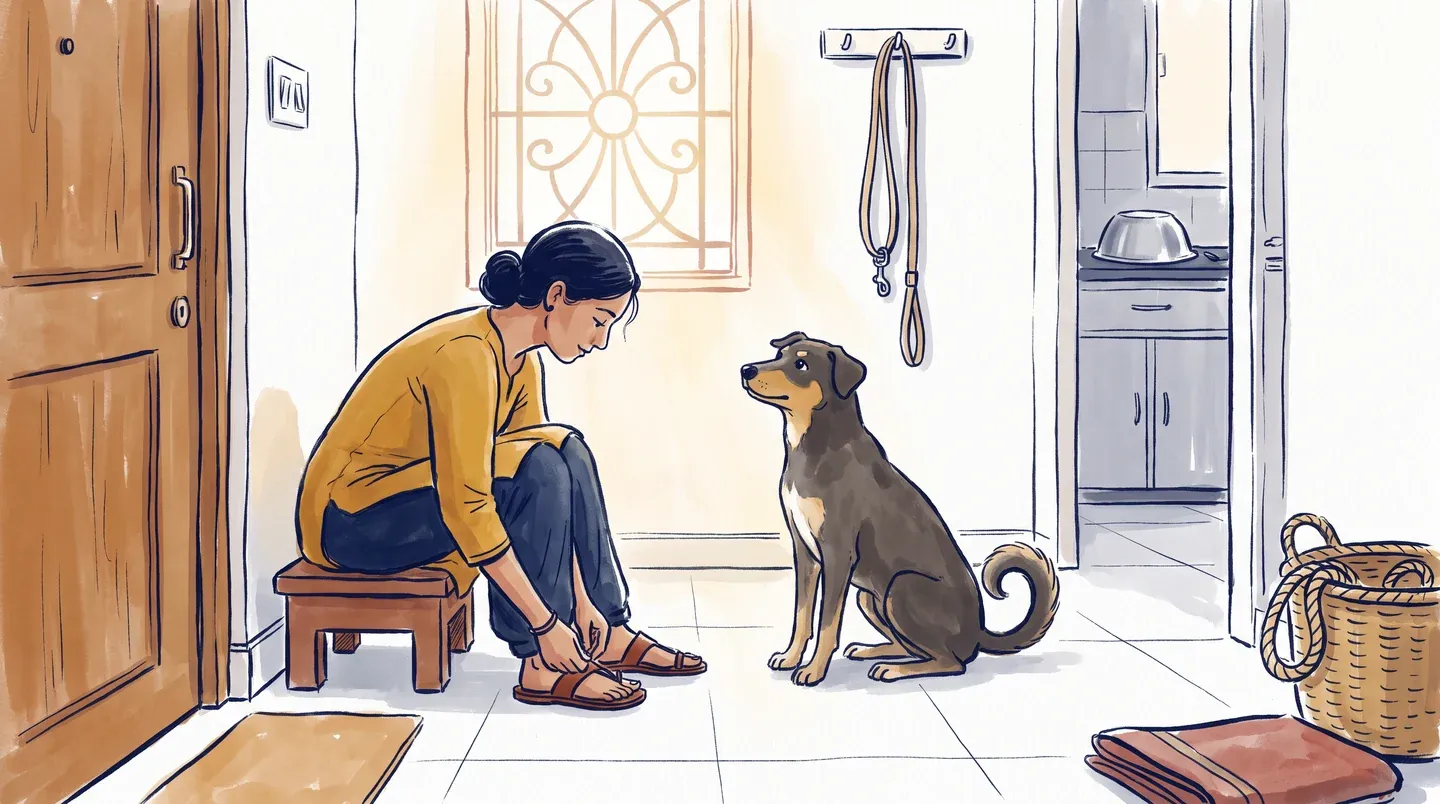
In 2016 I was taking a great many consultations, and the cases that came were the same cases that still come: aggression, anxiety, nervousness, insecurity, a dog who could not stop moving. I was solving them one house at a time, and I kept asking myself one question. What are these people doing? Because none of this was in the dog when he was born, and none of it was in the dogs I had watched in their own habitat. So it was being made, in the house, by people who loved the dog. Where?
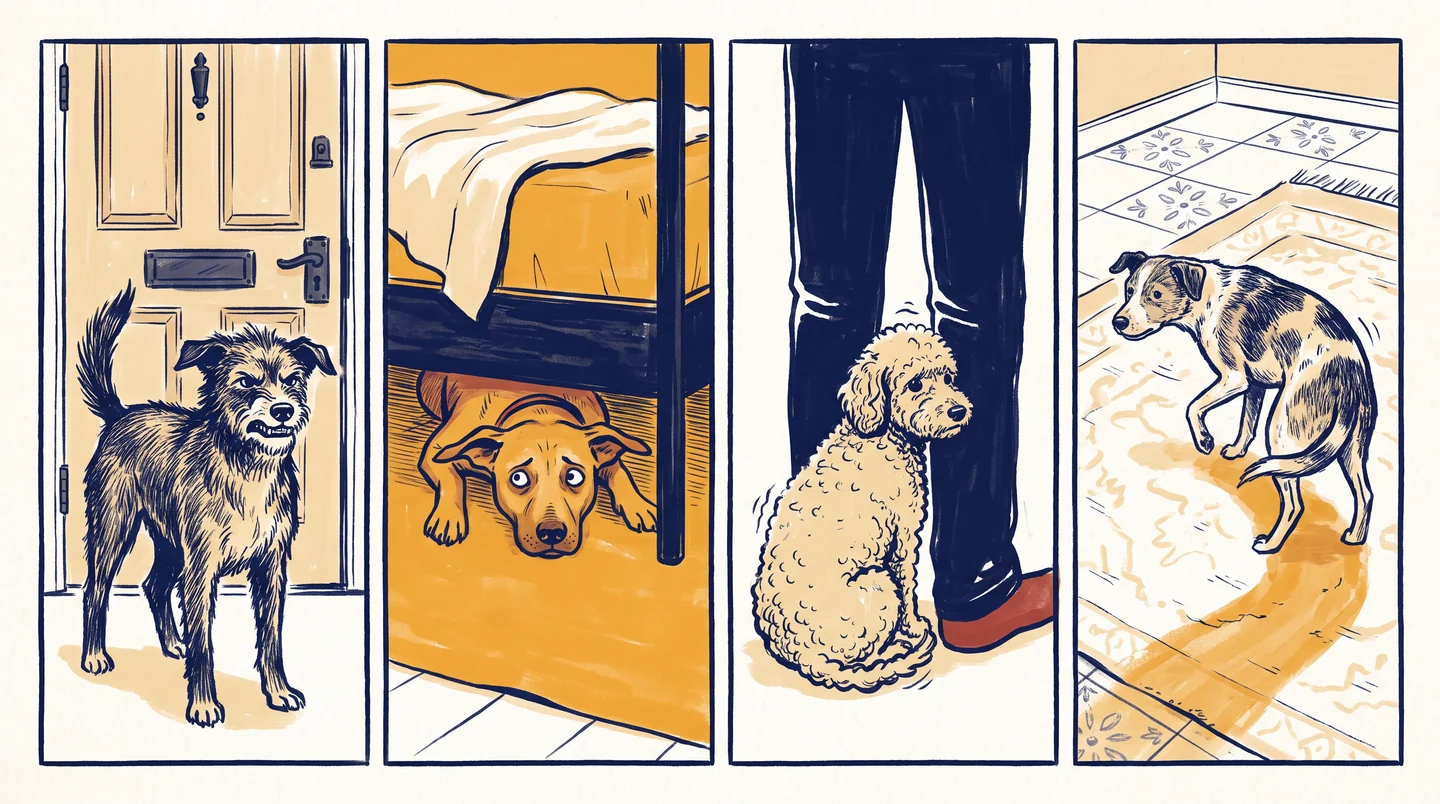 , open the figure larger
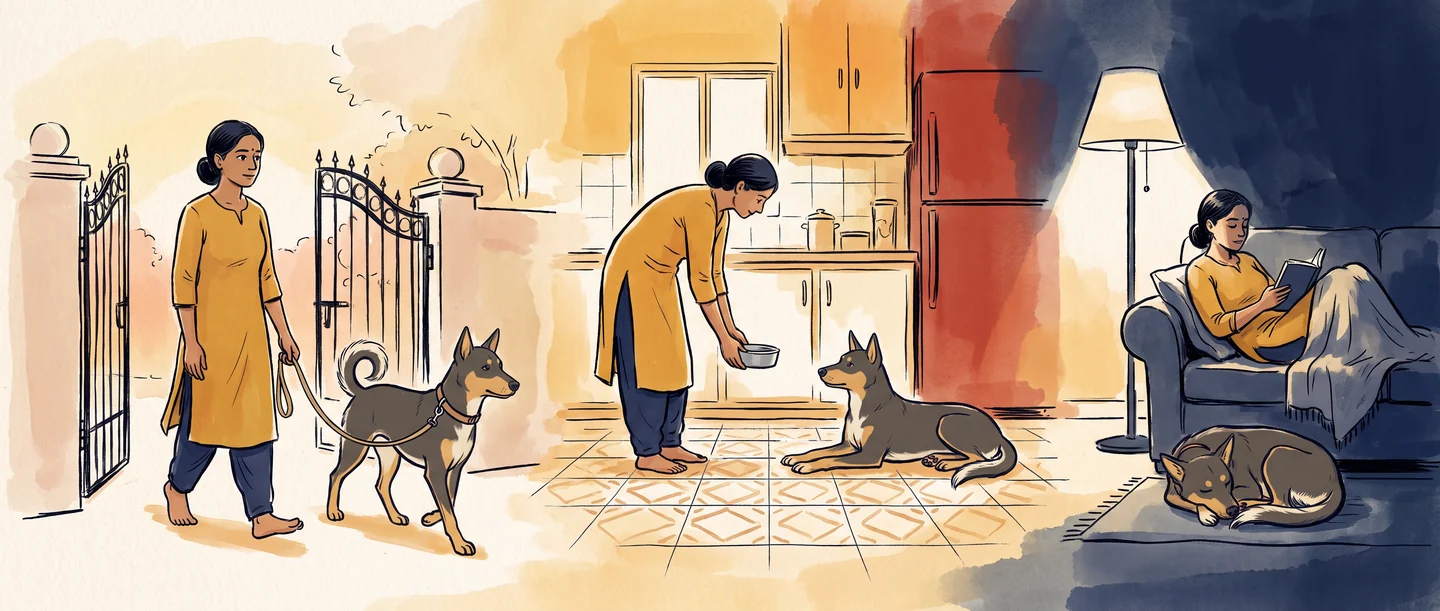
One day, in the shower of all places, the answer came, and it was not a hundred things. It was six. In every house, the human was going wrong in the walk, or in discipline, or in how they met the dog, or in how they fed him, or in play, or in when they gave affection. Usually in several of them. Sometimes in all six. I started telling each family about the same six areas, and I started asking the families whose dogs had no problem yet whether they were making the same mistakes, because a dog with no problem today and a house going wrong in six areas has a problem coming. I called the six areas the rituals of dogs, and the results, when a family took them on, were the best I had seen.1
You have already met them. Chapter 02 had you evaluate your dog in exactly these six areas, and chapter 09 had you picture the dog you want in five parts of his life. Now they stop being a checklist and become a day.
Why these six
They are not my invention. Look at a dog in his own kind of life, with a mother and a group and ground to cover, and the six are what his day is made of. The group moves out together, led, at the same hours, and in my experience it is the older dogs, the ones the others greet with respect, who decide when and where. That is the walk. The mother sets where the pups may go and how they may behave, and that is discipline. Dogs meet by the nose, with no noise, and that is socialising. Food is found, not served, and gone when it is gone, and that is feeding. Watch the street dogs outside your own gate and you can see most of it. There is play, with winning and losing in it. And affection is given to a calm animal, and withheld from a frantic one, and that is affection.
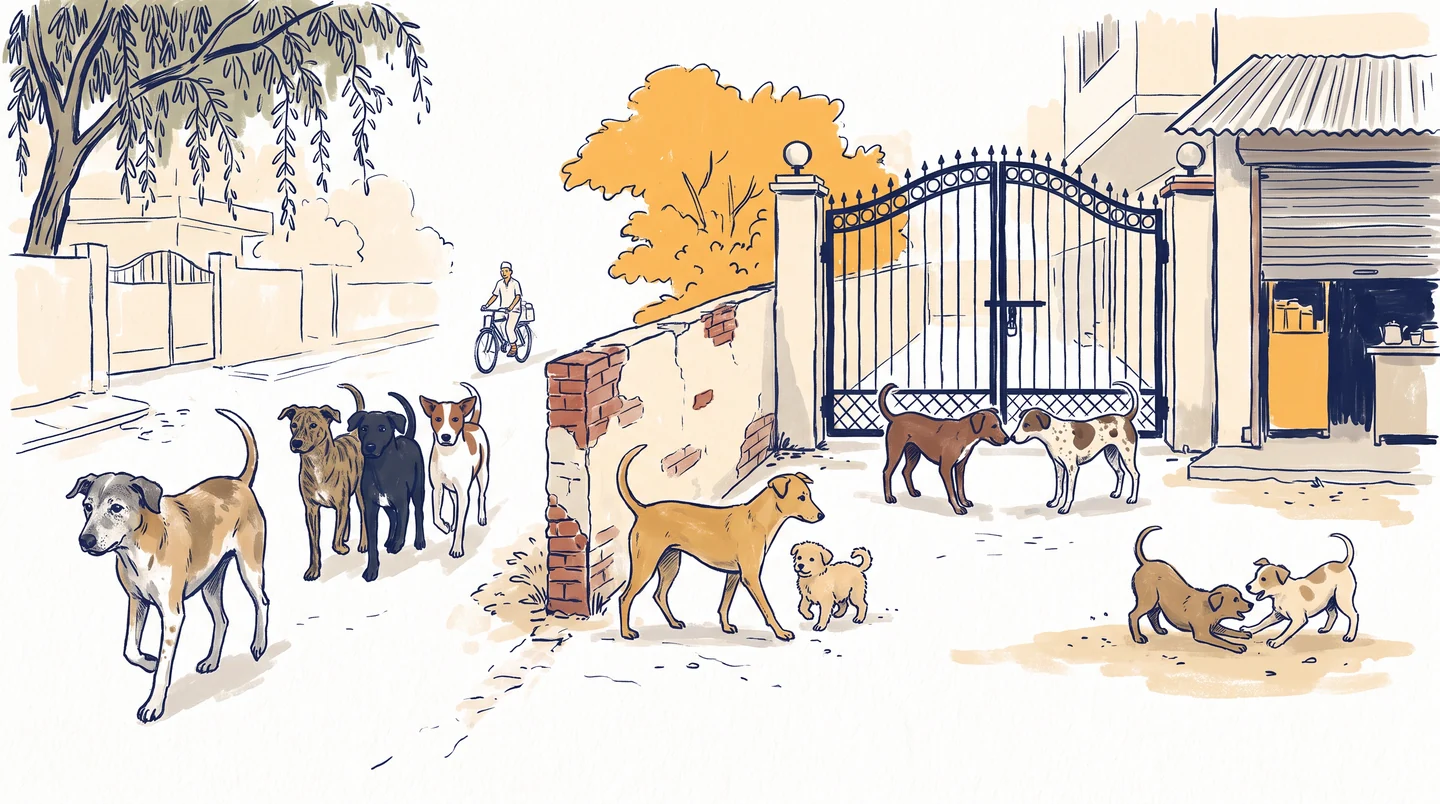 , open the figure larger
So the rituals are not training. They are the needs of the three layers under the name, from chapter 04, arranged into a day. And they rest on one decision, which I want you to make on purpose: in this house we will learn his ways, rather than expecting him to learn ours. He can learn ours up to a point. He can learn sit and stay. But the human world is far too complex for him to learn the rest of it, and we are the ones with the capacity to cross over. The best gift you can give him is to understand what he is and design his environment around it. That is what the six are. Environment design, from his side.
 The rest of the Foundation
 The Six Rituals
 When Something Is Wrong