
The account
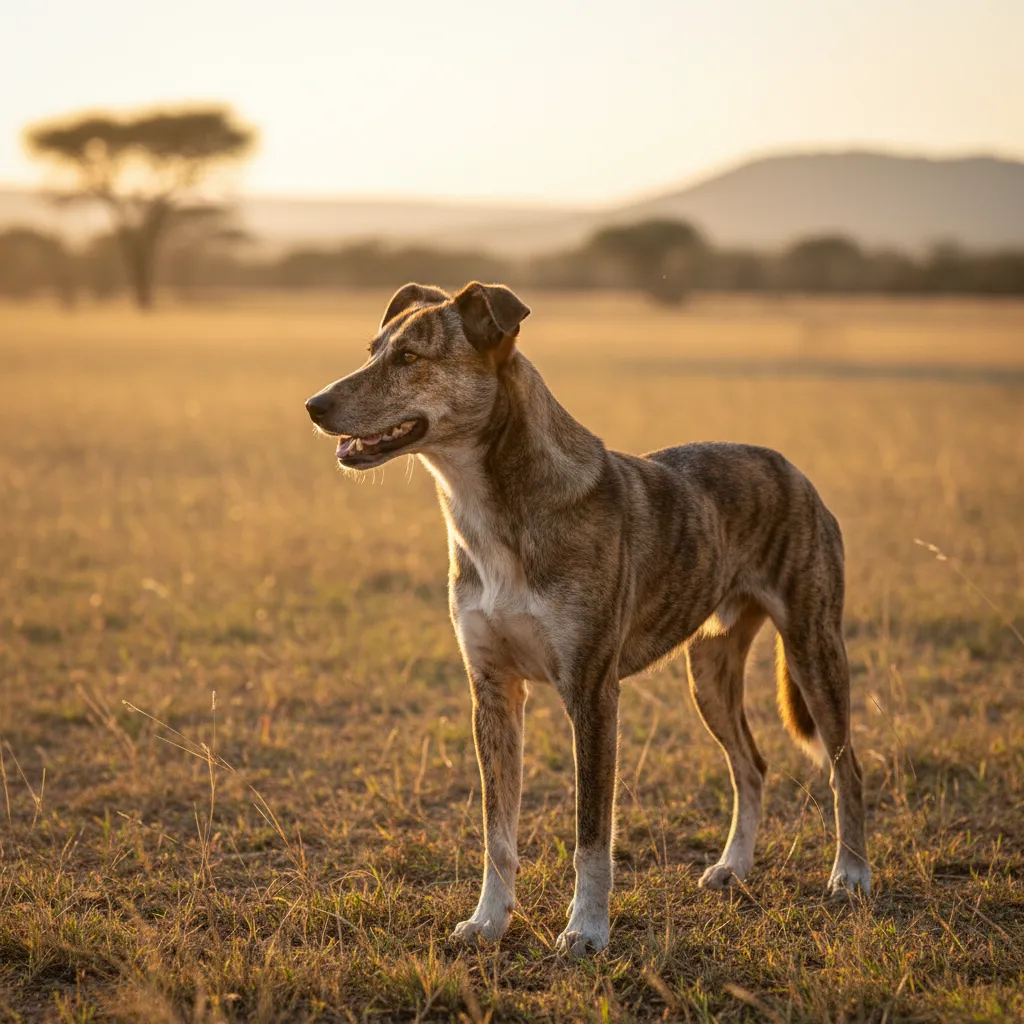
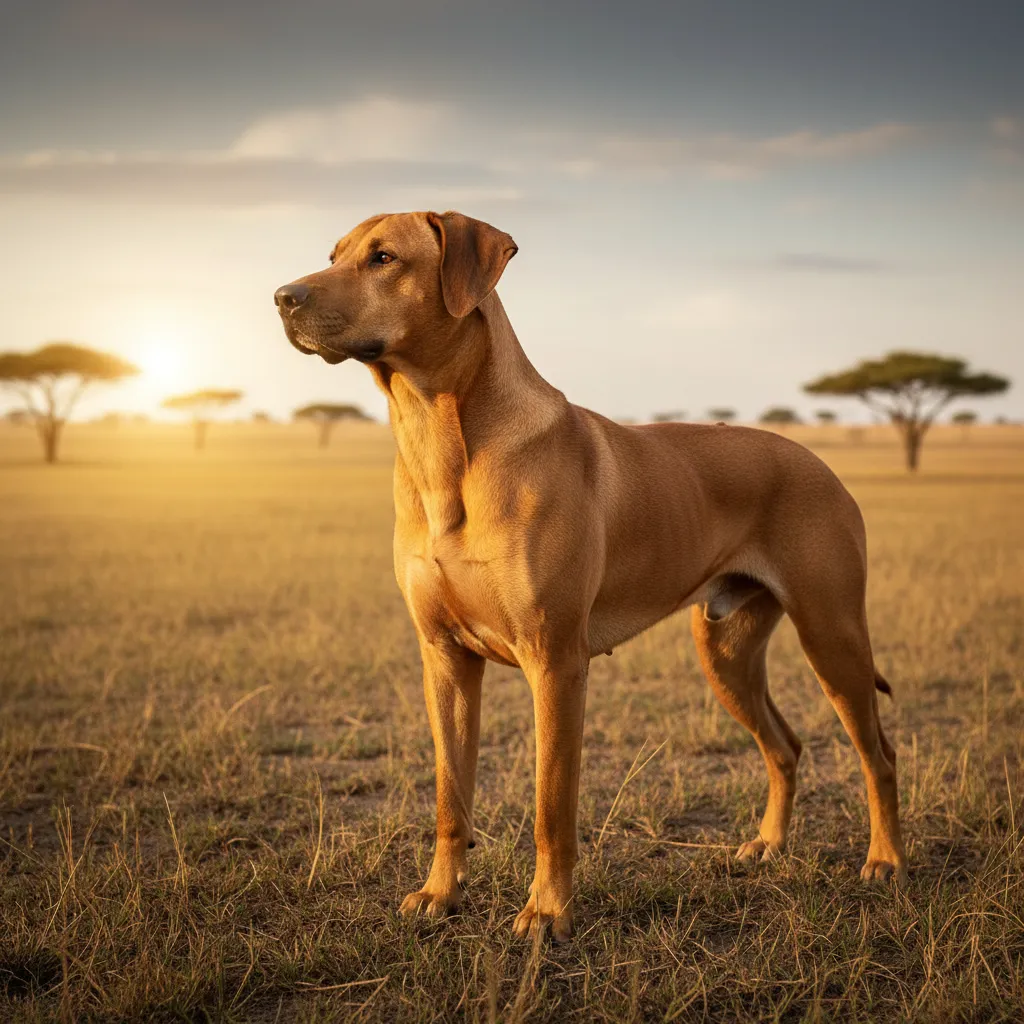
The Rhodesian Ridgeback did not kill lions and no serious account claims it did. What it did was find them, harass them, and hold them in place, working in packs, staying out of reach, and keeping a lion occupied and stationary until the hunter arrived. That job explains the breed better than the folklore does: it required speed, endurance, courage, and above all the judgement to work independently at a distance without instruction. All four are still present.
The ridge itself came from the indigenous ridged dogs of the Khoikhoi, crossed by European settlers in southern Africa with Great Dane, Mastiff, Bloodhound and Greyhound stock to add size, scenting ability and pace. That mixed inheritance is visible: the Ridgeback hunts by both sight and scent, which is unusual, and it combines a hound's nose with a sighthound's turn of speed. It is worth knowing that the ridge gene is a duplication associated with dermoid sinus, a neural tube defect that occurs in the breed, so ask breeders directly about it.
At home the Ridgeback is quiet, clean and comparatively low-maintenance, a short coat, minimal shedding, and a dog that is often described as a couch occupant indoors. That is genuinely true of adults and completely untrue of the first two years, which are boisterous, powerful and demanding. The temperament is dignified rather than effusive, protective without being sharp, and strongly independent. Training must be consistent and fair; Ridgebacks resist repetition and disengage from heavy-handedness, but they respond well to owners who are clear and unrushed.
Of the large exotic breeds this is one of the better fits for India. It is African, short-coated and adapted to heat, and it handles Indian summers far more comfortably than any northern breed, shade, water and cool-hour exercise are enough. It is also reasonably available here relative to most breeds in this register. The health watch list is hip and elbow dysplasia, dermoid sinus, degenerative myelopathy and bloat, and the practical requirements are secure fencing against a high prey drive and an owner who can handle a 40 kg dog that thinks for itself.