Skip to content

Landrace / Primitive (KUSA, emerging breed) · Southern Africa (South Africa, Botswana, Mozambique)

Africanis

The Africanis is a naturally evolved landrace dog from Southern Africa, adaptable, hardy, and friendly. Complete care guide for owners looking for a resilient, low-maintenance companion.

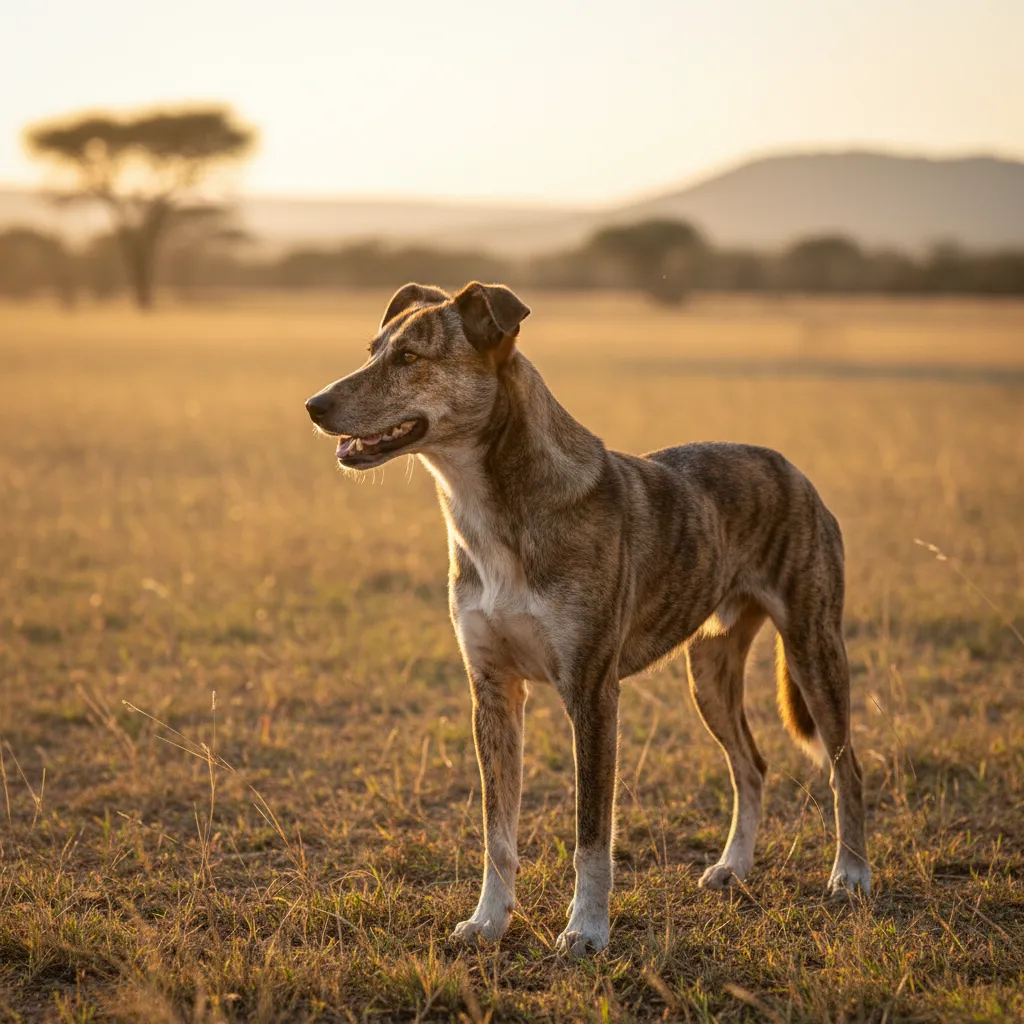
Africanis, an illustrated specimen plate
Plate, Africanis

The record

Size
Medium
Height at shoulder
20-26 inches
Weight
18-35kg
Lifespan
10-14 years
Group
Landrace / Primitive (KUSA, emerging breed)
Origin
Southern Africa (South Africa, Botswana, Mozambique)
Period
Ancient, over 5,000 years (landrace)
Bred for
General-purpose: hunting, guarding, herding, and companionship in rural communities
Energy
Medium
Shedding
Medium
Trainability
Medium
Prey drive
Medium
Pack drive
Medium
Protectiveness
Medium
Sociability
High
Independence
Medium

A resilient, adaptable, and friendly landrace dog shaped by natural selection rather than human breeding. The Africanis is intelligent and socially attuned, making it versatile and surprisingly easy to live with.

TemperamentAdaptableHardyFriendlyIntelligent

2 recorded ancestors stand behind this breed, nearest first. Open any one of them for what is known about it.

The account

The Africanis is not a breed anybody made. It is the dog of southern Africa as natural selection left it, descended from the dogs that came south with Bantu-speaking migrations and earlier Khoikhoi herders, and shaped for several thousand years by whether an animal could survive heat, parasites, scarce food and village life without human management. Nobody wrote a standard. The environment wrote it.

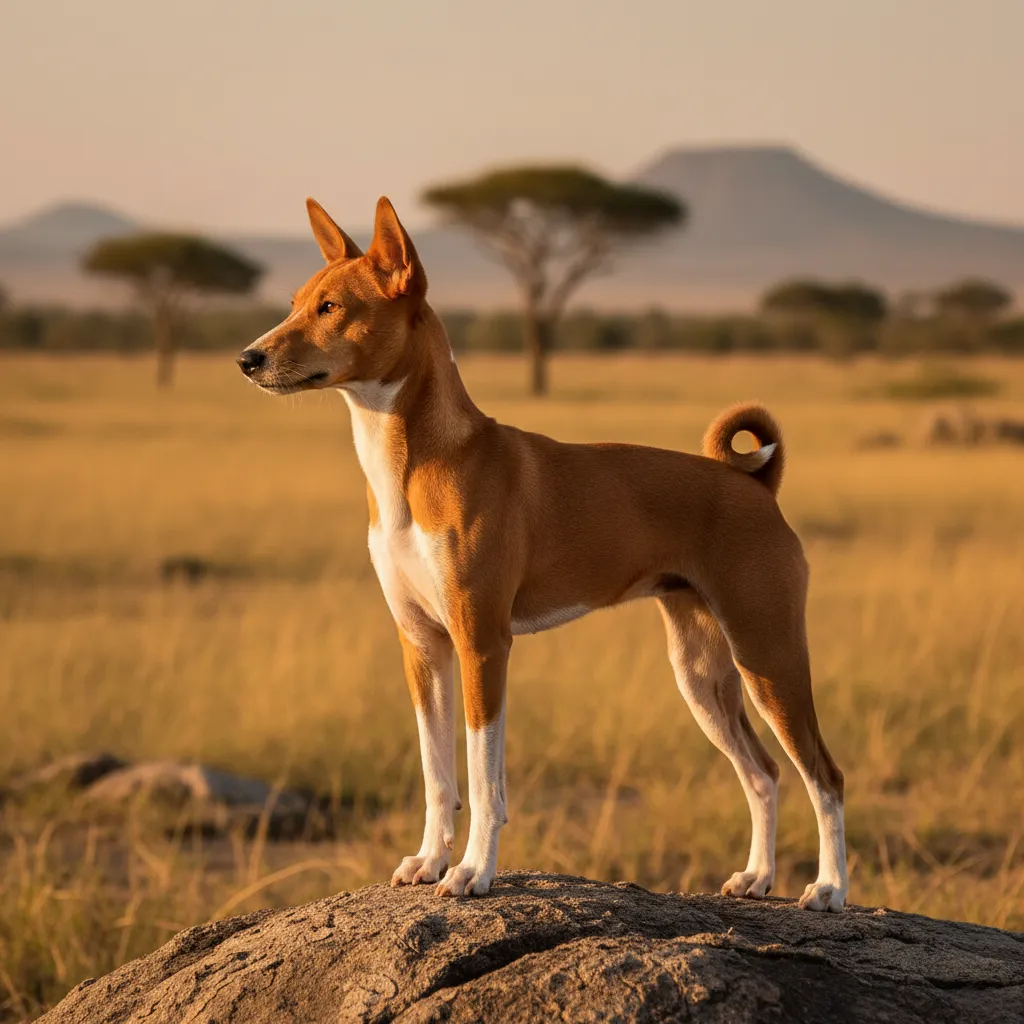
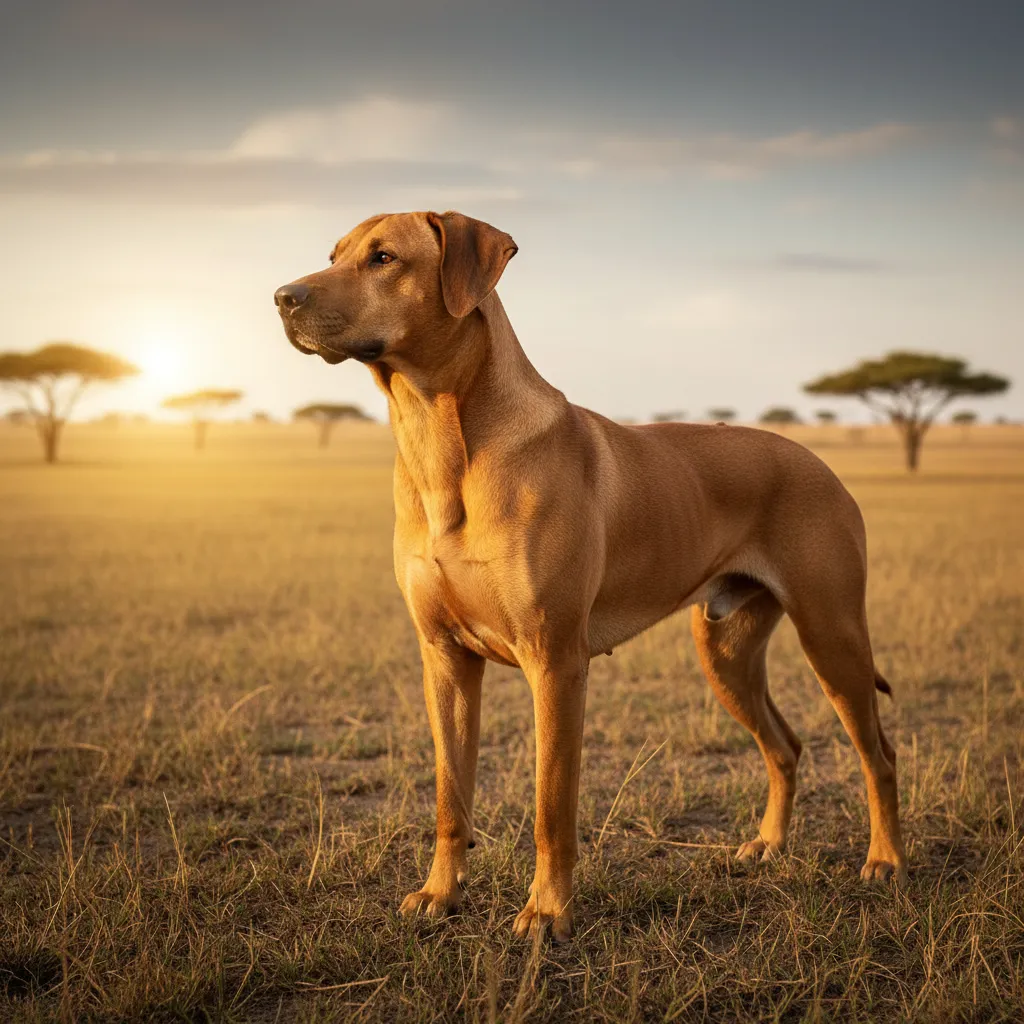
What that produces is remarkably consistent, and it is the same answer arrived at independently by village dogs in India, Australia and the American southeast: medium size, short coat, lean frame, wedge head, upright or semi-erect ears, and a mind that is cautious, adaptable and unsentimental. The Africanis Society of Southern Africa has spent decades arguing that this type deserves recording and protecting precisely because it was never bred for looks. That its value is the four thousand years of functional selection standing behind it.

Temperamentally it is easier than most of the primitive types. Africanis dogs score high on sociability, are attentive to people, and adapt to household life without the intensity of a Jindo or the suspicion of a livestock guardian. They are intelligent, moderately independent, and famously undemanding. Owners describe a dog that requires very little management and rewards being included, the profile of an animal that evolved alongside human settlements rather than in opposition to or isolation from them.

The health picture is the strongest argument for the type and the reason the record matters. Free of the inherited disease load that closed stud books create, these dogs are typically robust into their teens, need no grooming beyond an occasional brush, and are naturally resistant to the local parasite burden. In India none of this is available to you directly, the Africanis is not exported and there is no population here. What is available is the exact same evolutionary answer, locally written, in the form of the Indian Pariah, and there are millions of them looking for homes.
Questions people ask

What exactly is an Africanis?
The Africanis is a naturally evolved landrace dog from Southern Africa, not a standardised pedigree breed but a genetically distinct population shaped by centuries of natural selection. They are the village dogs of Africa, now being formally recognised by the Kennel Union of Southern Africa.
Can I get an Africanis?
Not through any formal channel. There are no breeders or importers. However, pariah/INDog dogs share remarkable similarities in origin and temperament. Adopting a local pariah dog is the closest equivalent.
Is the Africanis good for first-time owners?
Yes. They are adaptable, hardy, and generally easygoing. Having evolved as village dogs, they are resilient and low-maintenance, making them surprisingly beginner-friendly.

Nearby in the register

Back to the plate