The account
Meet the Greyhound: The 72 km/h House Cat
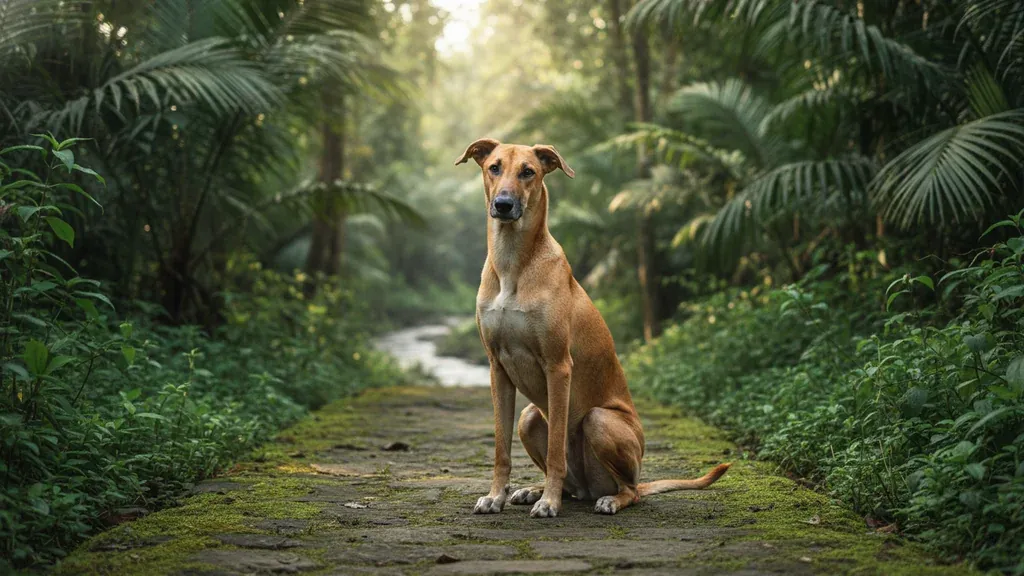
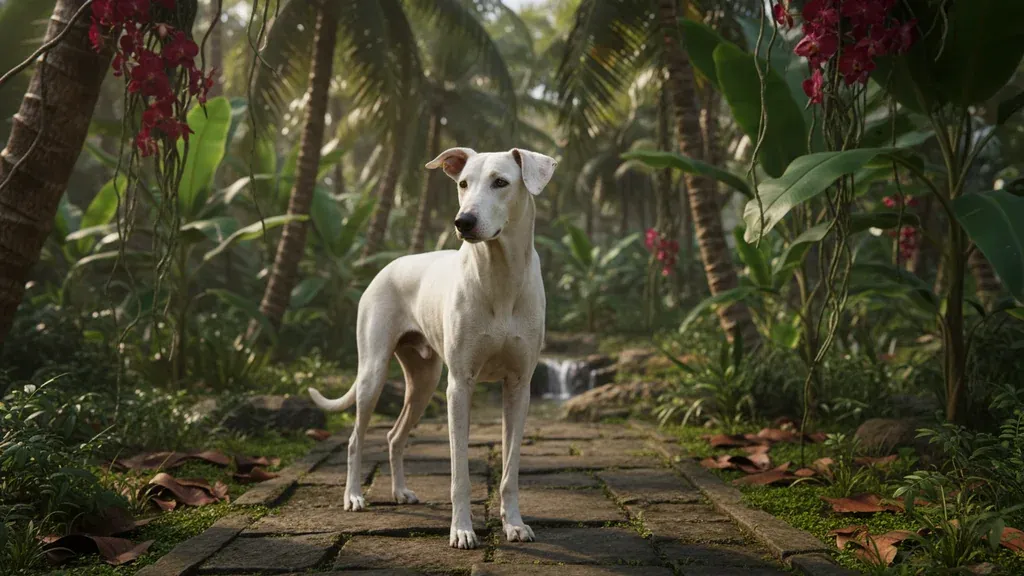
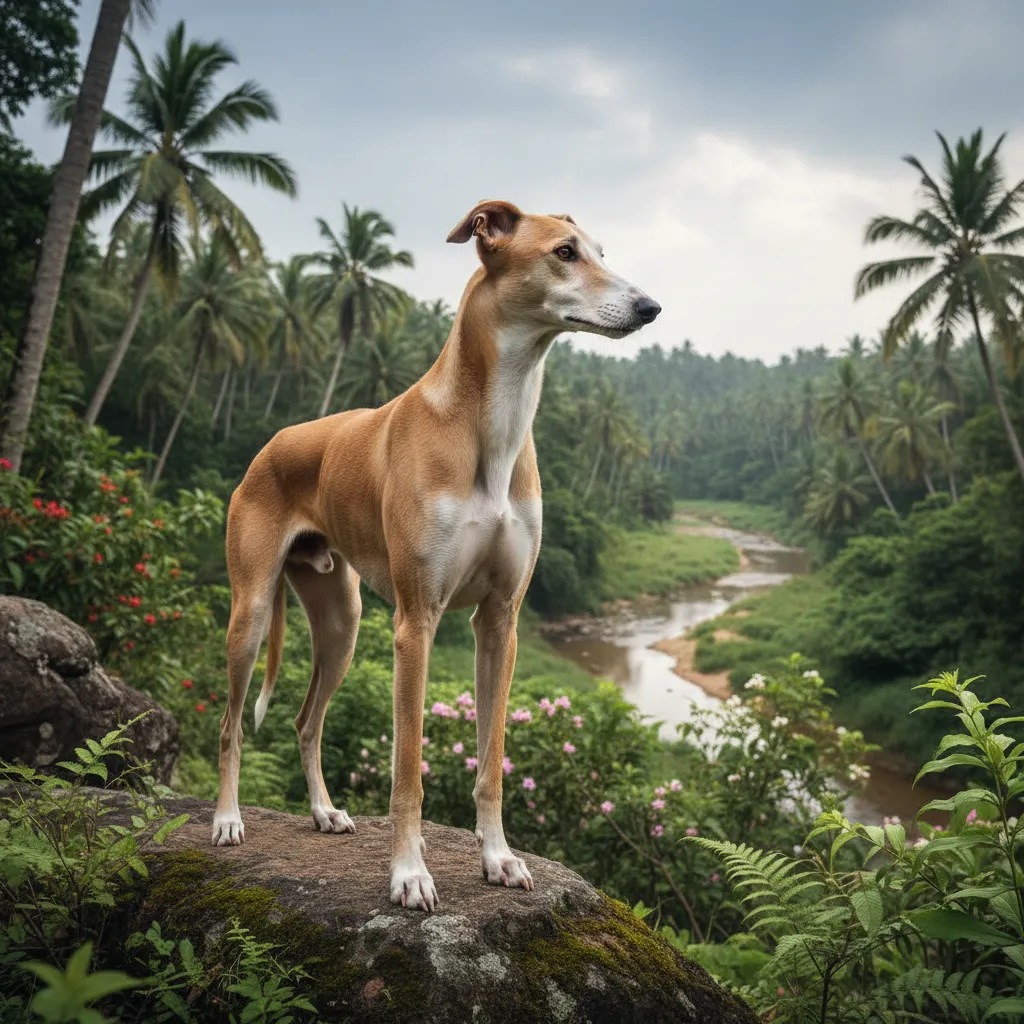
The Greyhound holds a title no other breed can claim: fastest dog on earth, capable of reaching 72 kilometres per hour in three strides. But the Greyhound also holds an unofficial title that surprises most people, world's laziest house guest. This is a breed that will sprint at breathtaking speed for 30 seconds, then sleep for the next six hours.
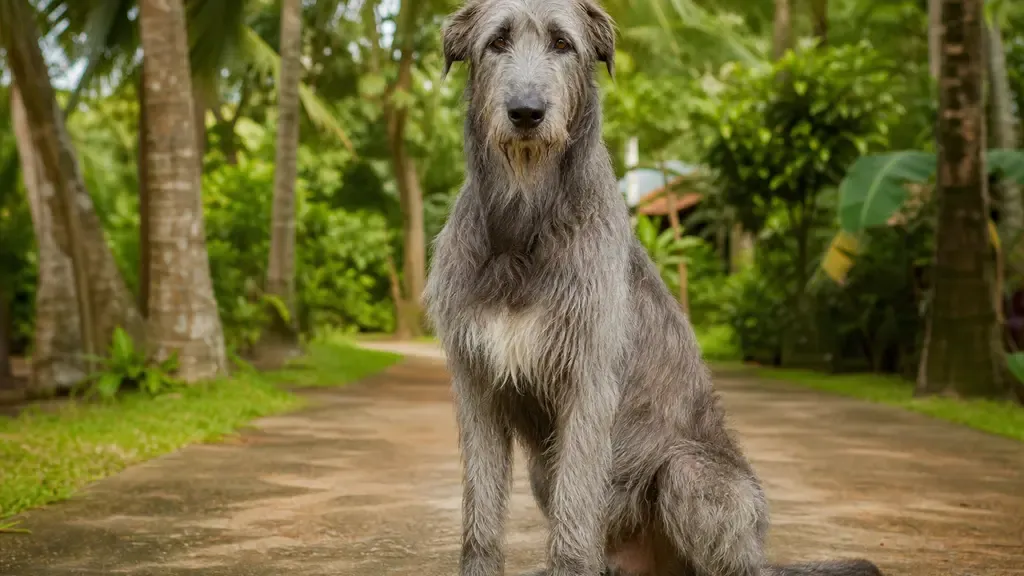
The Greyhound's history stretches back over 4,000 years. Depictions of Greyhound-type dogs appear in ancient Egyptian tombs, Mesopotamian art, and Greek pottery. They were the hunting dogs of pharaohs, the coursing hounds of Persian nobles, and the racing champions of modern tracks. Every sighthound breed on earth, the Saluki, Afghan Hound, Whippet, Irish Wolfhound, and our own Mudhol Hound and Rajapalayam, traces its ancestry to the same caravan-traveling sighthounds that produced the Greyhound.
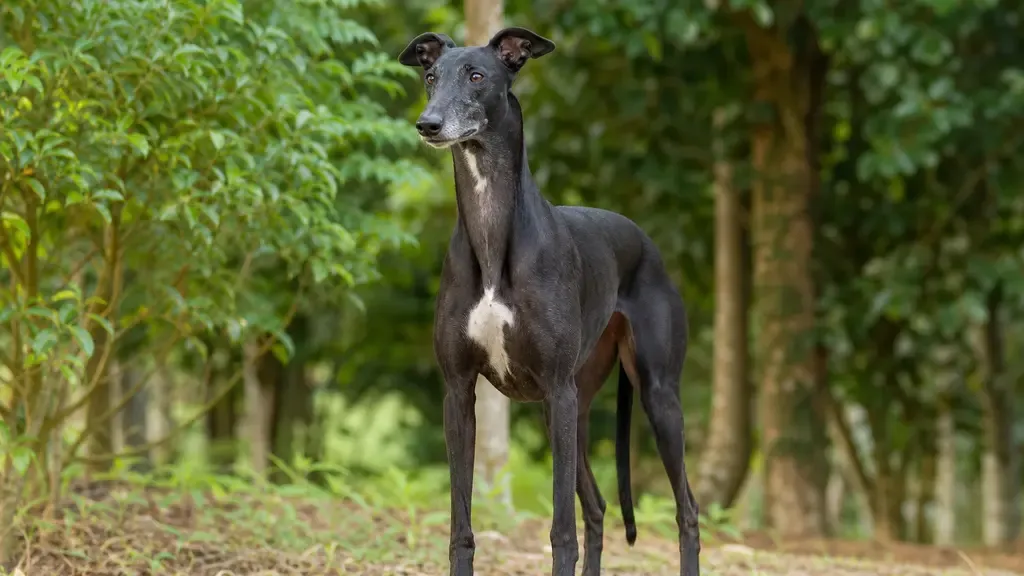
The modern Greyhound is the result of centuries of selective breeding for one purpose: speed. Every line of its body, the aerodynamic head, the deep chest for lung capacity, the impossibly narrow waist, the powerful hindquarters, the long tail used as a rudder at speed, is a masterclass in functional design.
Living With the Greyhound
The Greyhound is one of the most surprisingly apartment-friendly large breeds. Here's what to know:
What works: They are exceptionally calm indoors. They rarely bark. They shed minimally and have almost no doggy odour. They are clean, gentle, and undemanding. A Greyhound's idea of a perfect day is two short walks, one good sprint in a safe area, and 20 hours of napping on the softest surface available, preferably your sofa.
What's challenging: The prey drive is profound and instinctive. A Greyhound that sees a cat, squirrel, or street dog running will chase, and at 72 km/h, you cannot catch it. Greyhounds must always be on leash or in a securely fenced area. Their thin skin tears easily, a minor scuffle with another dog can result in stitches. And they are sensitive souls, harsh training methods will shut them down completely.
The Art of the Sprint
A Greyhound needs to run. Not for hours, for seconds. A 30-second all-out sprint in a safe, enclosed area satisfies a need that no amount of walking can replace. If you don't have access to a securely fenced field or a lure coursing club, a long training lead (15-20 metres) in an open space is the next best option.
Without the sprint outlet, Greyhounds can become restless and develop stereotypic behaviours. With it, they are the easiest, quietest dog you will ever live with.
Health and Thin-Skin Care
Greyhounds are a generally healthy breed with a few specific considerations:
- Thin Skin: Greyhound skin is paper-thin and tears easily. Even rough play with another dog can result in wounds needing veterinary attention. Keep a first-aid kit with wound wash and bandages. Supervise interactions with other dogs.
- Anaesthesia Sensitivity: Greyhounds have unusually low body fat and a unique liver metabolism. Standard anaesthetic protocols can be dangerous. Your vet must know the dog is a Greyhound and use sighthound-specific protocols.
- Dental Disease: Greyhounds are prone to periodontal disease. Regular tooth brushing and annual dental cleanings are important.
- Bloat: As a deep-chested breed, Greyhounds are at risk. Feed multiple small meals and avoid exercise around mealtimes.
- Osteosarcoma: Bone cancer occurs at higher rates in Greyhounds than most breeds. Any persistent lameness should be investigated promptly.
In, tick protection is essential: Greyhounds' thin coats make ticks easy to spot but their thin skin makes tick-borne diseases hit harder. Use year-round prevention.
The Reward
A Greyhound is not a dog that demands attention or performs tricks for approval. It is a quiet, noble presence that shares your space with dignity and grace. When a Greyhound leans against your leg, the famous 'Greyhound lean', it is their deepest expression of trust and affection. In that moment, you understand why pharaohs kept them as companions for eternity.