The account
Meet the Irish Wolfhound: The Gentle Giant
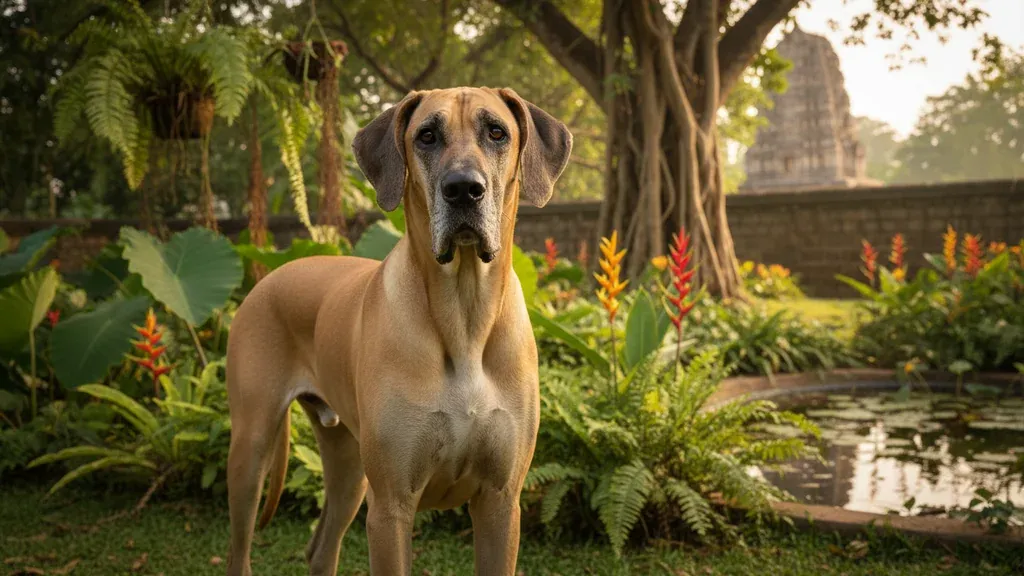
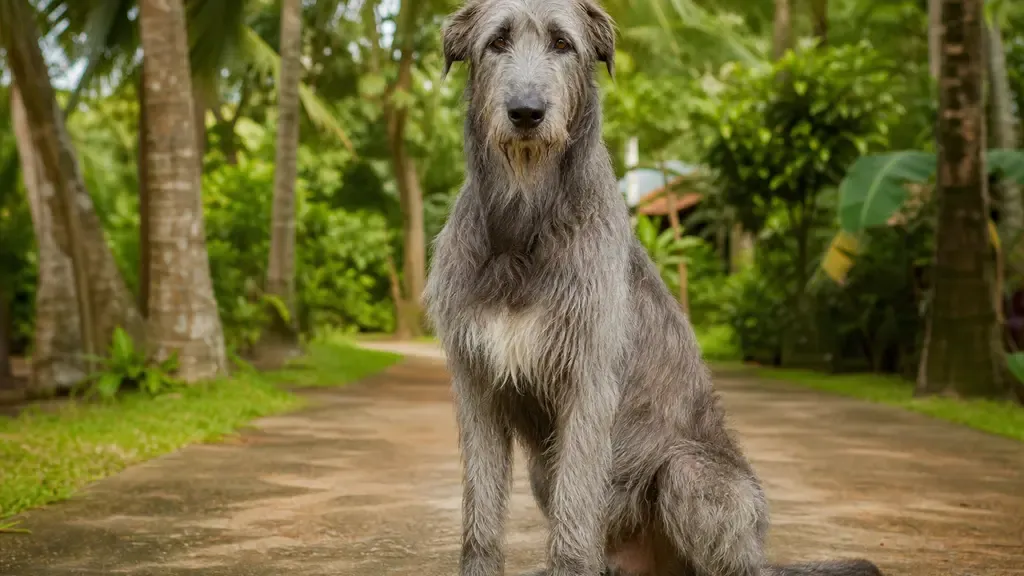
The Irish Wolfhound is not just a dog. It is a presence. Standing up to 35 inches at the shoulder and stretching over 7 feet when on hind legs, the Wolfhound is the tallest dog breed in the world. The Roman consul Quintus Aurelius Symmachus wrote in 391 CE that "all Rome viewed with wonder" the Irish dogs gifted to him. They have been stopping traffic for over 1,600 years.
Bred by the ancient Celts as war dogs and wolf hunters, Irish Wolfhounds were so valued that Brehon Law (c. 600 CE) restricted their ownership to kings and nobles. They hunted the massive Irish wolf to extinction, then nearly followed, by the 18th century, with no more wolves to hunt, the breed dwindled to the edge of oblivion.
Captain George Augustus Graham saved the Irish Wolfhound in the 1860s, painstakingly reconstructing the breed from the last remaining specimens crossed with Deerhounds, Great Danes, and Borzoi. Every Irish Wolfhound alive today descends from Graham's breeding program, a second chance for a breed that had earned one.
Living With the Irish Wolfhound
This is a breed that demands commitment on every level, physical, financial, and emotional:
What works: Their temperament is extraordinary, gentle, calm, and deeply affectionate. They are quiet indoors, rarely bark, and have a soothing presence that fills a home without dominating it. Despite their hunting heritage, they have low exercise requirements compared to smaller sporting breeds, a couple of good walks and a safe area to stretch their legs is sufficient.
What's challenging: Everything else. The size means your home, car, and budget must accommodate a small pony. The short lifespan (6-8 years) means heartbreak comes quickly. Giant-breed health issues are serious and expensive. And finding a responsible breeder is essentially impossible. You will need to import.
The Short Life, Lived Fully
Let's address the lifespan head-on. Irish Wolfhounds live 6-8 years. This is not a tragedy to be avoided. It is a reality to be accepted. Wolfhound owners speak of their dogs with a particular kind of love: fierce, present, and unguarded. Every year matters. Every grey muzzle is earned. The brevity of the bond makes it more intense, not less meaningful.
If you choose an Irish Wolfhound, you are choosing to love something that will leave you far too soon. Many owners say it is worth it. But you must go in with open eyes.
Giant Breed Care: The Essentials
Feeding: This is the most critical aspect of raising a healthy Wolfhound. Giant breed puppies must be fed a diet specifically formulated for large/giant breeds with carefully balanced calcium and phosphorus. Too-rapid growth causes developmental bone disease, panosteitis, hypertrophic osteodystrophy, and OCD lesions. Feed measured portions, keep your puppy lean (you should always feel ribs), and resist the urge to "grow them big." Slow and steady produces sound joints.
Adult Wolfhounds eat 4-6 cups of premium food daily, split into at least two meals to reduce bloat risk. Raised feeders help with comfortable eating and may reduce air swallowing.
Exercise: Puppies under 18 months should NOT be exercised heavily, no long runs, no jumping, no hard impact. Their growth plates are open and vulnerable. Controlled walks on soft surfaces, free play in the yard, and short training sessions are appropriate.
Adult Wolfhounds need moderate exercise, two 30-minute walks plus a safe area to gallop 2-3 times weekly. They are sighthounds, designed for short bursts of speed, not endurance.
Bloat Prevention: Deep-chested, giant breeds are at extreme risk. Feed 2-3 small meals. No exercise for 1 hour before and 2 hours after eating. Know the warning signs: swollen abdomen, unproductive retching, restlessness, collapse. This is an immediate veterinary emergency.
Health: The Giant Breed Reality
- Bone Cancer (Osteosarcoma): The leading cause of death in the breed. Any persistent lameness requires immediate X-rays.
- Dilated Cardiomyopathy: Heart disease is common. Annual cardiac exams from age 4.
- Bloat/GDV: See above. Know your nearest 24-hour vet.
- Pneumonia: Wolfhounds are prone to aspiration pneumonia. Any coughing or breathing changes need prompt attention.
- Portosystemic Shunt: Liver condition seen in some puppies.
The Verdict
The Irish Wolfhound is for someone who wants a dog that feels like a piece of history, a living connection to ancient Celtic warriors, Roman emperors, and Irish kings. It is for someone who can handle the size, the cost, and the short, bright years. And it is for someone who understands that the greatest dogs are not measured in years, but in the space they leave behind.