The account
Meet the Bloodhound: The Nose That Knows
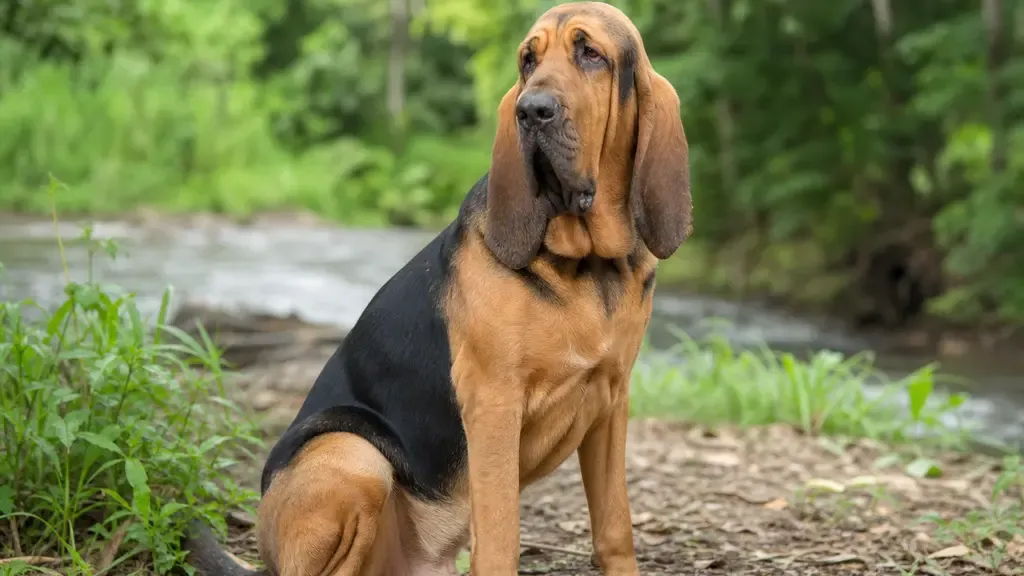
The Bloodhound possesses the most powerful nose in the canine world. Its olfactory ability is so extraordinary that a Bloodhound's tracking results are admissible as evidence in courts of law across multiple countries. A Bloodhound can follow a scent trail that is over 300 hours old, across miles of varied terrain, and distinguish one individual's scent from millions of others.
This is not a breed that was designed for speed or agility. The Bloodhound was designed for one purpose, to follow a scent to the end, no matter what. Every feature serves the nose: the loose, wrinkled skin channels scent particles upward; the long, drooping ears sweep scent from the ground; the deep, booming bay lets the hunter follow from a distance.
Developed by monks at the Saint-Hubert Monastery in Belgium around the 7th century, the Bloodhound, originally called the St. Hubert Hound, was refined in England into the breed we know today. Its name comes from 'blooded hound,' meaning a hound of pure breeding, maintained by aristocratic families for deer hunting and later for man-trailing.
Is a Bloodhound Right for Your Home?
The Bloodhound can adapt to life, but it comes with trade-offs:
What works: The short coat handles moderate heat better than double-coated breeds. The gentle, patient temperament makes them wonderful with families. They are not guard dogs, a Bloodhound is more likely to greet an intruder with a wagging tail and a wet sniff than with aggression.
What's challenging: The drool. The baying. The single-mindedness. A Bloodhound on a scent trail is essentially deaf to commands. This is not a breed you can trust off-leash. Their size (36-50 kg) and strength mean walks require a handler who can control them if they lock onto a scent. And that deep, resonant bay carries for miles, apartment neighbours will not be amused.
The Nose: Managing a Bloodhound's Greatest Gift
A Bloodhound's nose needs a job. Without scent work, tracking games, nose work training, hide-and-seek with scented objects, this breed becomes bored and destructive. Hide treats around the house and let your Bloodhound find them. Lay scent trails in your garden using a drag rag. Better yet, join a tracking or mantrailing club if one exists near you.
The nose also means your Bloodhound will be intensely interested in every smell on every walk. A 30-minute walk with a Bloodhound may only cover 500 metres, and that's exactly as it should be. Let them sniff. It tires them out more effectively than running.
Health: What to Watch For
Bloodhounds are generally robust but have breed-specific concerns:
- Bloat (Gastric Dilatation-Volvulus): Life-threatening emergency in deep-chested breeds. Feed multiple small meals, avoid exercise around mealtimes, know the warning signs (swollen abdomen, unproductive retching, restlessness).
- Hip Dysplasia: Common in large breeds. Insist on hip-scored parents.
- Ear Infections: Those long, floppy ears trap moisture and debris. Clean weekly with vet-approved ear cleaner. Check after every bath or swim.
- Skin Fold Dermatitis: The facial wrinkles need regular cleaning and drying to prevent fungal and bacterial infections. Wipe folds daily with a damp cloth and dry thoroughly.
- Entropion/Ectropion: Eyelid abnormalities causing irritation. Surgical correction may be needed.
In, tick fever is a serious concern. The Bloodhound's loose skin makes ticks harder to spot. Use year-round tick prevention and check thoroughly after outdoor time, especially during monsoon.
Training: Patience and Scent
Bloodhounds are not stupid. They are independent thinkers bred to work at a distance from their handler, making decisions based on scent, not commands. Training requires patience, positive reinforcement, and an understanding that your Bloodhound is not defying you. It's simply more interested in what its nose is telling it than what you are.
Start training early. Socialise extensively with people and other dogs. Use food rewards: Bloodhounds are highly food-motivated. Keep sessions short and end on a win. And never, ever punish a Bloodhound harshly. This is a sensitive breed that shuts down under rough handling.