Skip to content

Non-Sporting (AKC), FCI Group 9 Section 5 · Tibet (Himalayas)

Tibetan Terrier

The Tibetan Terrier is a medium Tibet breed: Affectionate and sensitive with family but reserved toward strangers, the Tibetan Terrier is a loyal. Complete care guide with -specific tips.

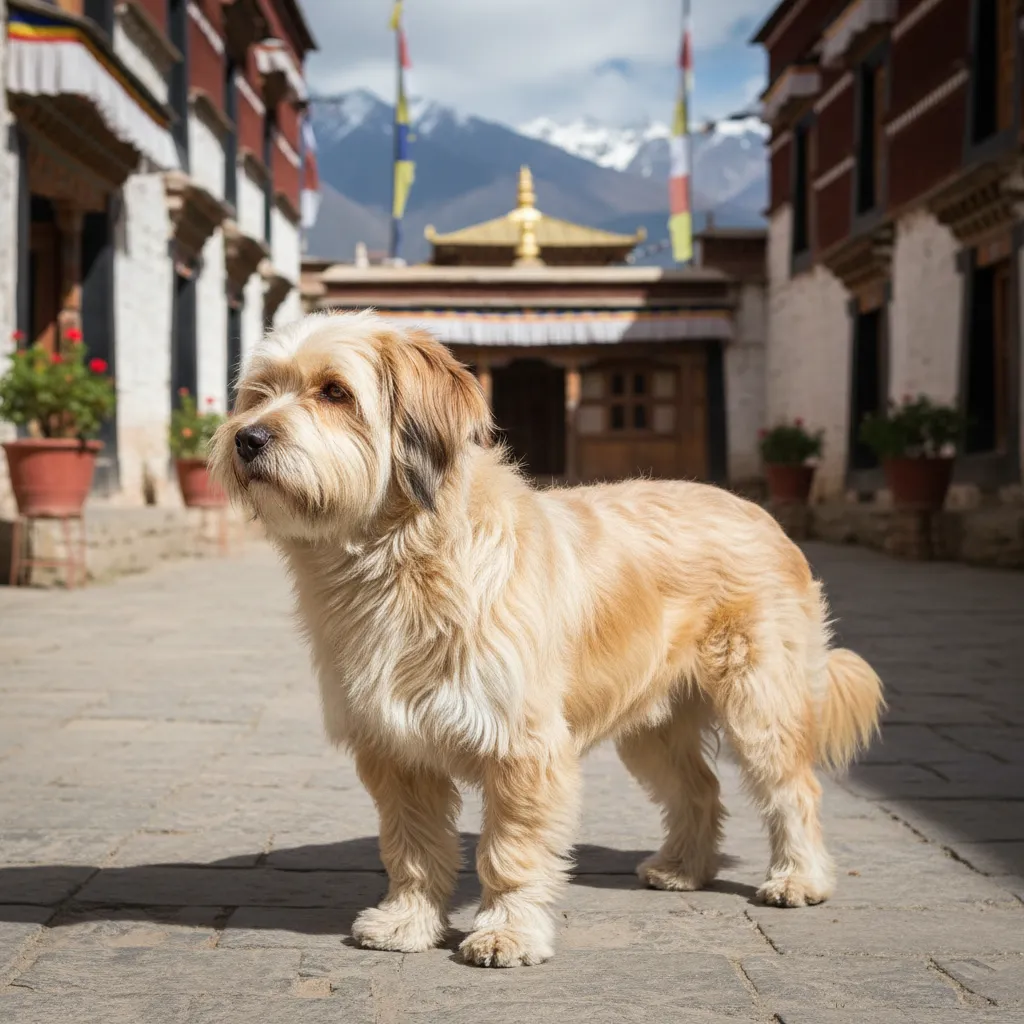
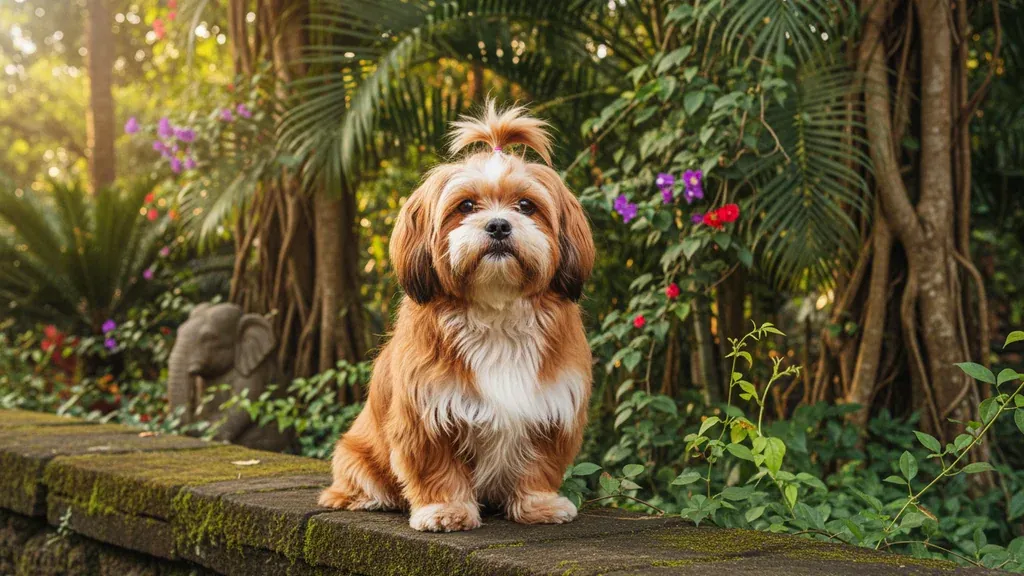
Tibetan Terrier, an illustrated specimen plate
Plate, Tibetan Terrier

The record

Size
Medium
Height at shoulder
14-17 inches
Weight
9-14kg
Lifespan
12-16 years
Group
Non-Sporting (AKC), FCI Group 9 Section 5
Origin
Tibet (Himalayas)
Period
Ancient (over 2000 years)
Bred for
Companion and good-luck charm in Tibetan monasteries; also herded sheep and guarded property
Energy
Medium
Shedding
Low
Trainability
Medium
Prey drive
Medium
Pack drive
Medium
Protectiveness
Medium
Sociability
High
Independence
Medium

Affectionate and sensitive with family but reserved toward strangers, the Tibetan Terrier is a loyal companion that bonds deeply and thrives on human interaction - but suffers in lowland heat.

TemperamentLoyalSensitiveReservedIntelligent

2 recorded ancestors stand behind this breed, nearest first. Open any one of them for what is known about it.

Still livingLhasa Apso

The account

The Tibetan Terrier is not a terrier either. It is a medium-sized Tibetan farm and monastery dog with no ratting ancestry whatsoever, the name was assigned by Europeans on the basis of size and nothing else. In Tibet it herded, guarded, carried packs and was kept as a companion and a luck-bringer, and it was traditionally given rather than sold, which is a recurring pattern among dogs a culture considers auspicious.

Its most distinctive physical feature is functional rather than decorative. Tibetan Terriers have large, flat, round feet with hair between the pads, snowshoe feet, which spread the dog's weight on snow and give grip on rock. The long double coat comes from the same environment. Both features were solving problems at 4,000 metres that do not exist in Chennai, and both are the reason this breed struggles in the Indian plains.

The temperament is the strong argument for the breed. Tibetan Terriers are sensitive, intelligent and deeply attached to their households, with an emotional attunement that owners describe as almost uncomfortable, these are dogs that read a room and respond to it. They are reserved rather than fearful with strangers, get on well with children they know, and are notably good at adapting to a family's rhythm. The flip side is that they do not cope with isolation, harshness or long hours alone, and they are quick to become anxious in unstable households.

The practical costs are grooming and heat. That coat needs several thorough sessions a week to stay free of mats, or a clip that owners often resist and then accept. On health, the breed has well-characterised inherited conditions, primary lens luxation, progressive retinal atrophy and neuronal ceroid lipofuscinosis among them, for which DNA tests exist, so ask any breeder for results rather than assurances. In India, hill stations suit this dog well and lowland summers do not.
Questions people ask

Can a Tibetan Terrier survive a hot, humid summer?
Tibetan Terriers struggle badly in the hot and humid hot lowland regions. They are far better suited to hill stations like Shimla, Ooty, or Darjeeling. In plains, they need constant air-conditioning and should only be walked early morning or late evening.
Is the Tibetan Terrier easy to groom?
Their long double coat requires daily brushing to prevent matting, which becomes even harder during monsoon humidity. Professional grooming every 4-6 weeks is recommended, adding to the maintenance cost.
Are Tibetan Terriers good with children?
Yes, they are affectionate and gentle with family children. However, they can be reserved with strangers. Early socialization is important, especially in apartment settings where guests are frequent.

Nearby in the register

Back to the plate