The account
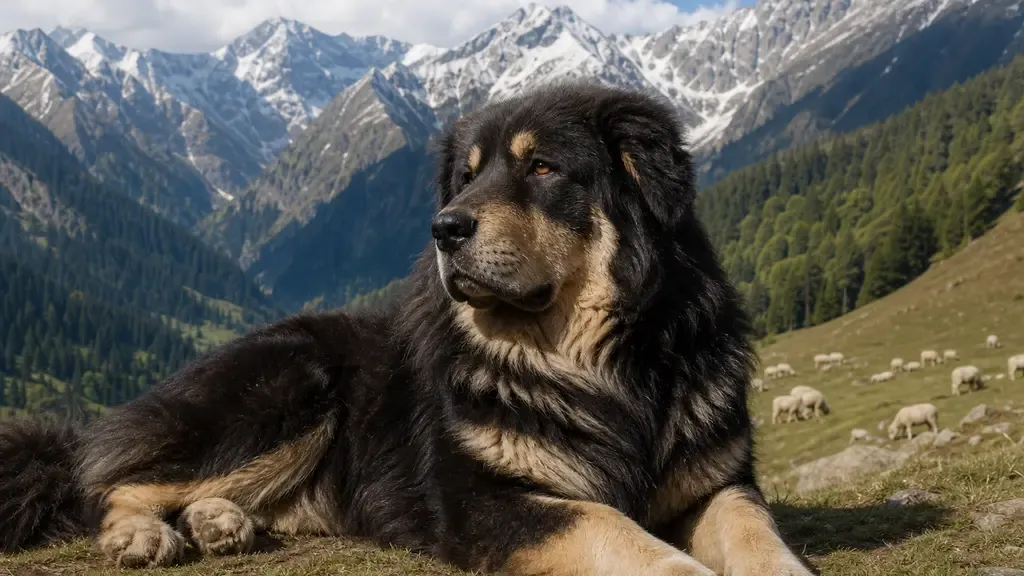
The Bakharwal is named for the people who made it. The Bakarwal are transhumant graziers of Jammu and Kashmir who move sheep and goats up into the Pir Panjal each summer and down to the foothills each winter, and the dog that walks with them was bred for one continuous task: stay with the flock, on the move, at altitude, and stop what comes for it. Wolves, mainly, and occasionally a bear or a snow leopard.
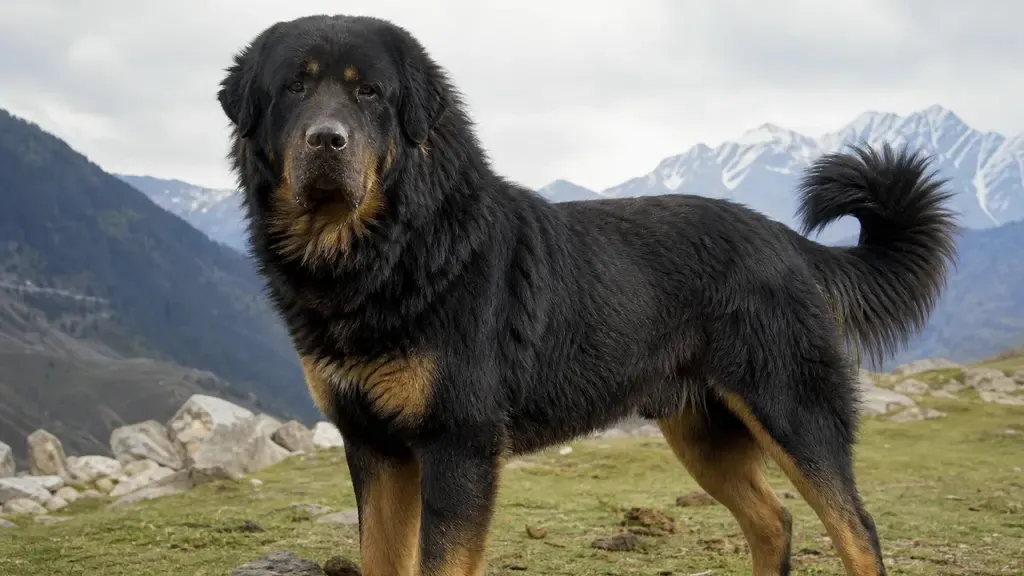
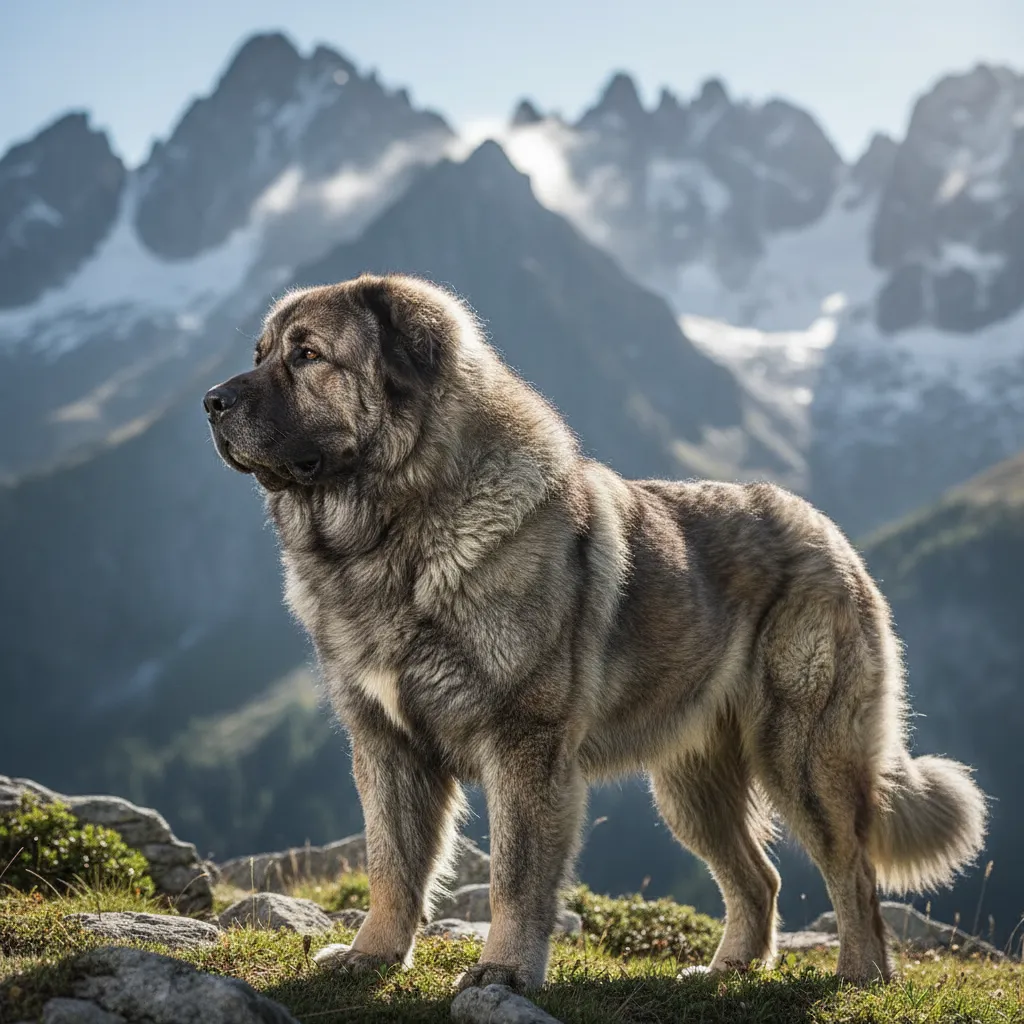
That job produced a lighter animal than the word mastiff suggests. A Bakharwal is powerfully built but not massive, and it has to be, a dog that migrates hundreds of kilometres a year over broken mountain ground cannot carry the bulk of a stationary courtyard guardian. The coat is long, dense and doubled against Himalayan winters, the frame is rangy, and the endurance is the point. Owners familiar with Tibetan Mastiffs usually find the Bakharwal quicker, more mobile and less inclined to spend the day lying down.
The temperament is guardian rather than attack dog, and the distinction matters. A Bakharwal assesses, positions itself between the threat and the flock, and escalates in stages. It is undemonstrative with its own people, largely uninterested in play, and completely unwilling to defer to a handler on questions it considers its own. This is not trainable out; it is the trait the breed exists for. What it means practically is that the dog needs a boundary it understands and a household it recognises, and that it should never be casually introduced to strangers on its own ground.
For most of India this is the wrong dog in the wrong place. The double coat and mountain physiology make lowland summers genuinely dangerous rather than merely uncomfortable, and the temperament needs land, not a plot. Numbers are also falling, the Bakarwal migration is shrinking under grazing restrictions and changing livelihoods, and the dogs are declining with it. Conservation interest exists in Jammu and Kashmir, but there is no organised breeder base, and dogs sold as Bakharwals elsewhere are usually something else.