The account
What does owning a Shih Tzu actually take?
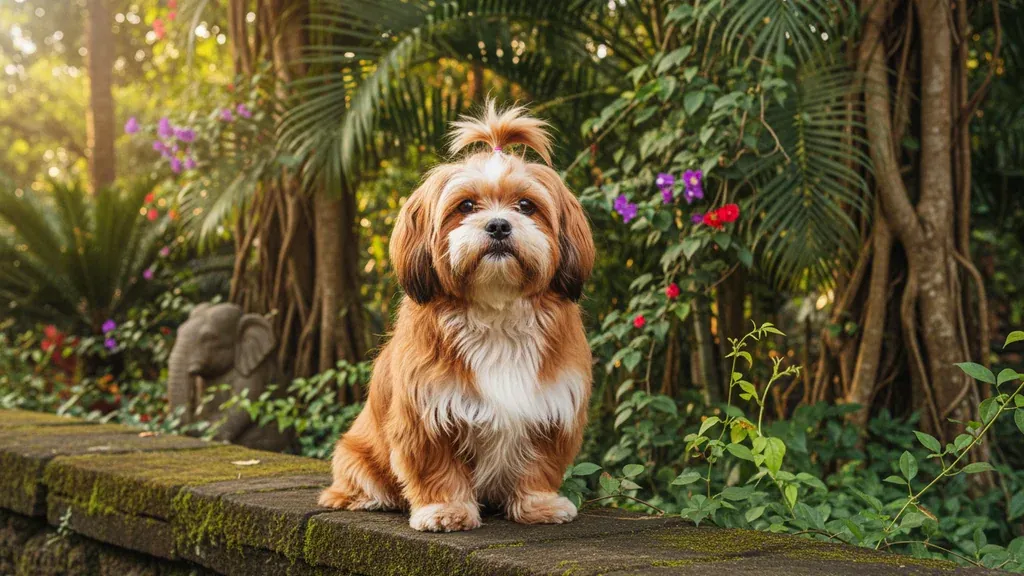
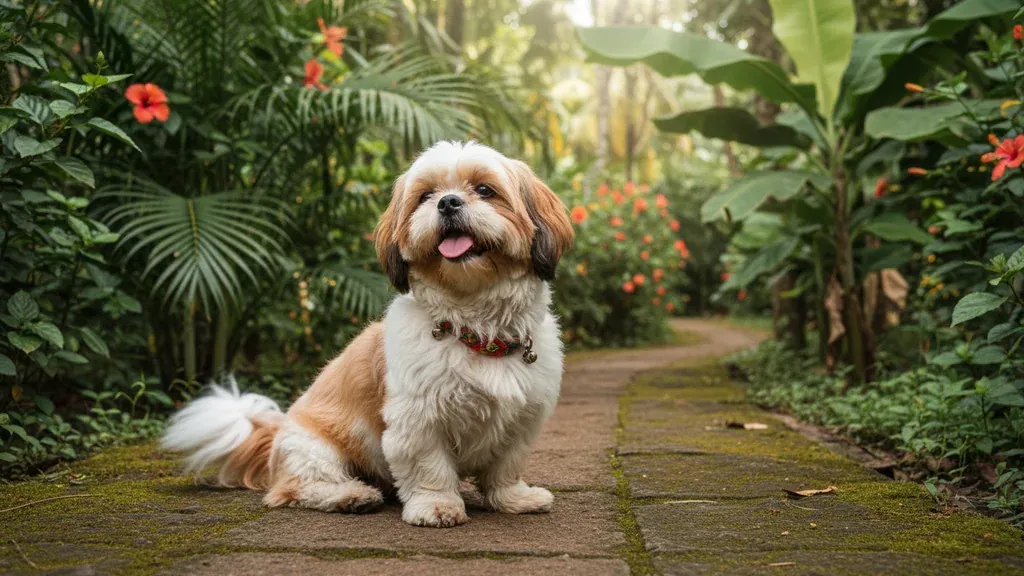
Two things define Shih Tzu ownership: that flowing coat and a flat face. The coat needs daily brushing or it mats overnight in humidity, and the short muzzle means this breed overheats fast. Manage grooming and heat well, and the rest of the Shih Tzu, a sweet, easy apartment companion, falls into place.
Here is what daily life really involves:
- Brush every day. That double coat tangles to the skin within hours in monsoon humidity. Skip a day and you are facing painful mats.
- Respect the flat face. Being brachycephalic, a Shih Tzu cannot pant efficiently. Heat is a genuine danger, not a minor discomfort.
- Walk at the cool ends of the day. Dawn and dusk only in summer. Midday walks risk heatstroke even on a short stroll.
- Mind the eyes. Big, prominent eyes pick up dust, scratches and tear stains. A daily face-wipe prevents most problems.
- Plan for grooming bills. Whether you DIY or visit a salon, coat care is the breed's biggest ongoing cost.
The honest summary: a Shih Tzu is a low-energy, big-hearted lap dog, but the coat and the flat face mean it is more hands-on than its size suggests.
Exercise Requirements
A Shih Tzu needs only about 30 minutes of light activity a day, making it one of the easiest breeds to exercise in a flat. A couple of short walks plus indoor play covers it. The real constraint is not energy but heat: this flat-faced breed must do its activity in the cool early morning and late evening.
Gentle is the watchword. Brisk strolls, a slow game of fetch down a hallway, or hide-and-seek with a toy all suit a Shih Tzu's modest stamina. During peak summer or the monsoon, keep it entirely indoors with puzzle feeders and short training games, which tire the mind without raising the body temperature. Watch closely for loud snorting, blue-tinged gums, or refusal to keep going, all signs your dog is overheating and needs to stop, cool down, and rest.
Grooming Routine
Grooming is where most of the work in owning a Shih Tzu lives. The long, silky double coat mats easily, so brush daily, right down to the skin, with a slicker brush followed by a metal comb to catch hidden tangles. In high humidity, a neglected coat can felt into painful mats within a couple of days, especially behind the ears and under the legs.
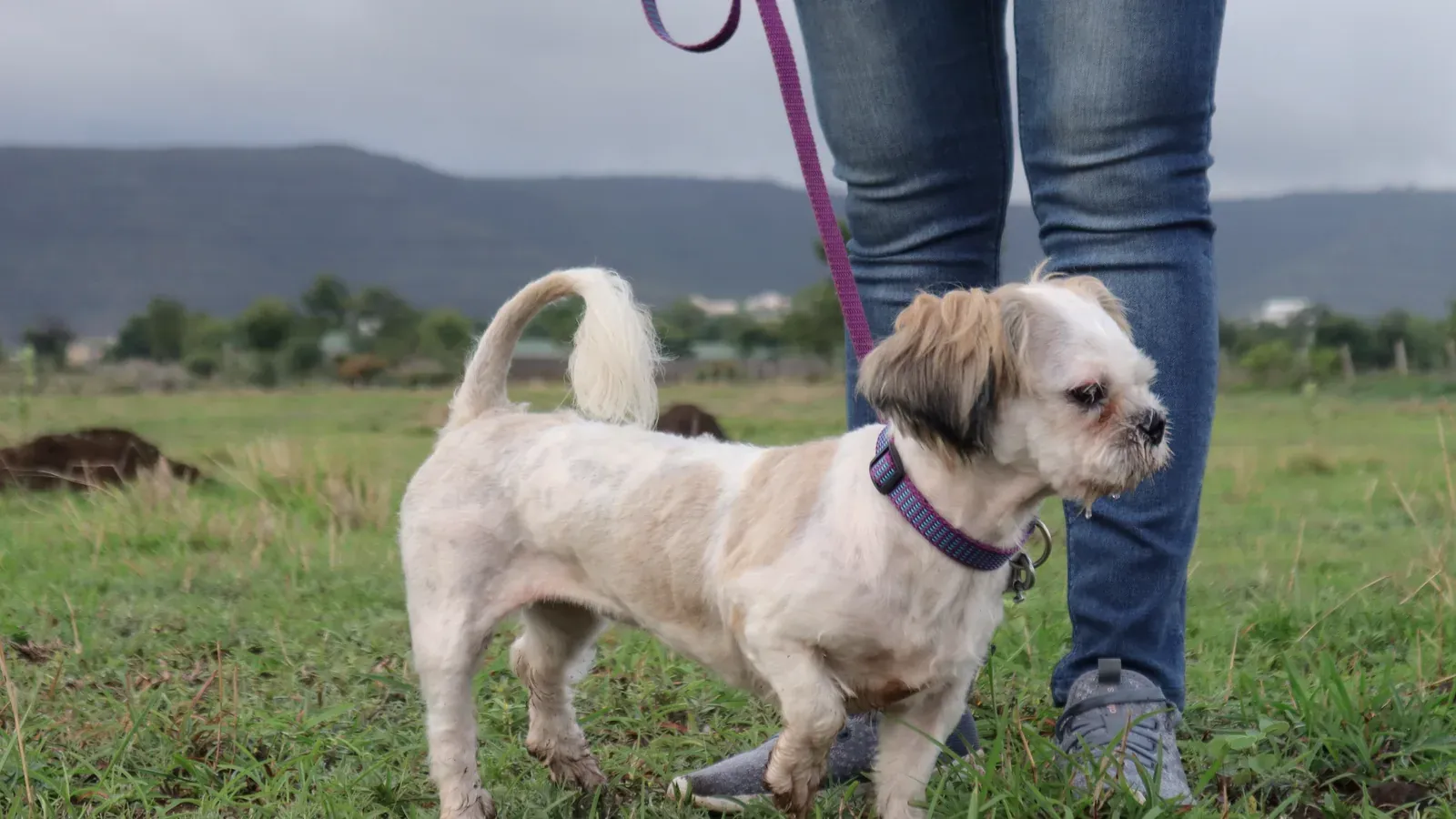
Bathe every three to four weeks with a gentle dog shampoo, then dry the coat thoroughly, as damp fur in warm weather invites fungal and yeast infections. Many owners sensibly opt for a short "puppy cut," which slashes grooming time and keeps the dog cooler through summer. Beyond the coat, clean the facial folds and the area around those large eyes daily to prevent tear staining and infection, check the ears weekly, trim nails every few weeks, and brush the teeth often, since small breeds are prone to dental disease. The closely related Lhasa Apso shares almost identical coat demands.
Training Approach
Shih Tzus are bright but a touch stubborn, which puts their trainability squarely in the middle. They were bred to be pampered companions, not workers, so they respond to warmth rather than drilling. Keep sessions short, upbeat, and rich with small treats and praise, and end before your dog loses interest.
House-training is the classic challenge, as small dogs have small bladders and Shih Tzus can be slow to get the idea, so be patient and consistent and consider crate training to speed things along. Start socialisation early so your puppy grows comfortable with visitors, children, traffic noise, and other pets. The breed's common issues, separation anxiety and demand-barking, both stem from how attached these dogs become to their people, so build short periods of alone-time into the routine from the start. Like the related Pug, a Shih Tzu wants to be with you, which is both its charm and its main behavioural risk.
Feeding Guidelines
For a 4 to 7 kg Shih Tzu, portion control matters because excess weight makes their breathing and joints noticeably worse. Feed a quality small-breed food twice a day for adults, with puppies on three to four smaller meals, and adjust the amount to keep a visible waistline rather than to satisfy begging. The small-kibble formulas designed for toy breeds are easier for a flat-faced dog to pick up and chew.
Treats should stay tiny and come out of the daily ration, with carrot or a single piece of kibble working well for training. Steer clear of the kitchen staples that harm dogs, chocolate, grapes, onions, and oily, spicy leftovers. Because small breeds often have delicate digestion, some owners find that pairing measured meals with a gut-health routine keeps things steady; confirm any major diet change with your vet. In hot weather, keep fresh water within easy reach at all times, since a dehydrated Shih Tzu overheats even faster.
Health Considerations
Shih Tzus carry the predictable risks of a flat-faced toy breed: brachycephalic airway problems that worsen in heat, eye conditions such as dryness, ulcers and proptosis, dental disease, and luxating patellas. Watch for laboured breathing, cloudy or weepy eyes, bad breath, or a skipping back-leg gait, and have these checked early, when treatment is simpler and cheaper.
Prevention rests on three pillars: keep the dog lean, keep it cool, and stay on top of routine care. Maintain core vaccinations against parvovirus and canine distemper, and use tick prevention against tick-borne illnesses like ehrlichiosis if your dog spends time outdoors. Treat a hot, humid summer as a real medical risk for this breed: constant shade, fresh water, and strictly no midday exertion. A small monthly spend on preventive care heads off far larger emergency bills later.
Living Situation
Few breeds suit apartment life as neatly as the Shih Tzu. Small, quiet, and low-energy, it asks for company more than space and is perfectly content in a city flat as long as it is near its people. This is a velcro dog that struggles when left alone for long stretches, so it fits homes where someone is usually around.
Shih Tzus are gentle and patient with children, which makes them a lovely family choice, though their small size means play with toddlers needs supervision so the dog is not accidentally hurt. The non-negotiable for a hot, humid climate is cooling: a well-ventilated room, ideally with a fan or air-conditioning in peak summer, plus a cool-tile spot or a cooling mat to lie on. Keep balconies and windows secured, as a curious small dog can slip through surprisingly tight gaps.
Did You Know?
The Shih Tzu's history is genuinely imperial. The breed's roots lie in Tibet, where small lion-like dogs were prized in Buddhist monasteries, before they were gifted to the Chinese court and refined over centuries into the dog we know today. The name translates roughly as "lion dog," a nod to both their flowing manes and the lion's revered place in Chinese symbolism. Inside the Forbidden City these dogs lived in extraordinary luxury, hand-fed and carried by palace staff, and for a long time they were rarely seen outside royal circles.
That pampered past explains a lot about the modern Shih Tzu. This is a dog bred for one job, companionship, which is why it has no real working drive, bonds intensely to its humans, and would rather be on a lap than chasing a ball. The breed nearly vanished after the fall of imperial China, and today's Shih Tzus reportedly descend from a small handful of dogs carefully bred back up in the early twentieth century.
In family homes, that easy, affectionate temperament has made the Shih Tzu a firm favourite in apartments from Mumbai to Bengaluru. It is a breed that rewards attention with devotion, and once you have managed the coat and the climate, it asks for very little beyond your company.
Frequently Asked Questions
Q: How do I care for a Shih Tzu's coat in a hot, humid climate?
A: A Shih Tzu's long double coat tangles fast in heat and humidity, so brush gently every day with a slicker brush and a metal comb to the skin. Bathe every three to four weeks, and dry the coat fully to prevent fungal infections. Most owners keep a short "puppy cut" in summer to cut grooming time and help the dog stay cool.
Q: Can Shih Tzus handle tropical heat?
A: Shih Tzus tolerate tropical heat poorly because they are brachycephalic, or flat-faced, which makes cooling through panting inefficient. They overheat quickly in summer and humidity. Keep them indoors during peak heat, walk only at dawn and dusk, provide constant cool water and shade, and never leave them in a parked car or stuffy room.
Q: Are Shih Tzus good for first-time dog owners?
A: Yes. Shih Tzus are affectionate, adaptable lap dogs that suit apartments and families, which makes them friendly for first-time owners. The main commitments are daily coat grooming, careful heat management because of their flat face, and patient, consistent house-training, since the breed can be a little stubborn.
Q: What is the monthly cost of keeping a Shih Tzu?
A: The recurring monthly costs are quality small-breed food, routine vet care and vaccinations, and grooming, which runs high because the coat needs frequent professional trims. Dental and eye care can add to costs as the dog ages.
Q: Do Shih Tzus have eye and breathing problems?
A: Yes. Their large, prominent eyes are prone to dryness, ulcers and tearing, so wipe the face daily and watch for cloudiness or excessive blinking. Being flat-faced, many Shih Tzus also snore, snort and struggle in heat. Keep them lean and cool, and see a vet quickly if breathing becomes laboured.