The account
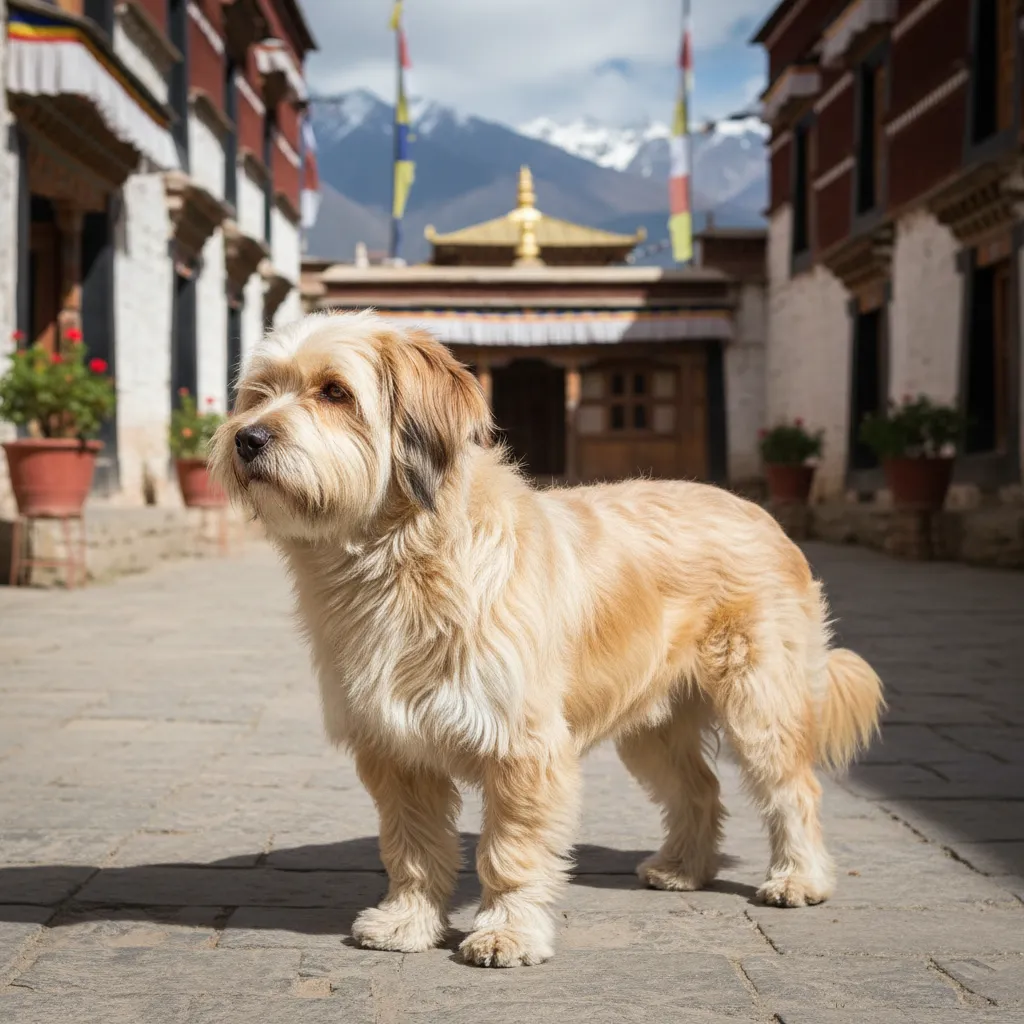
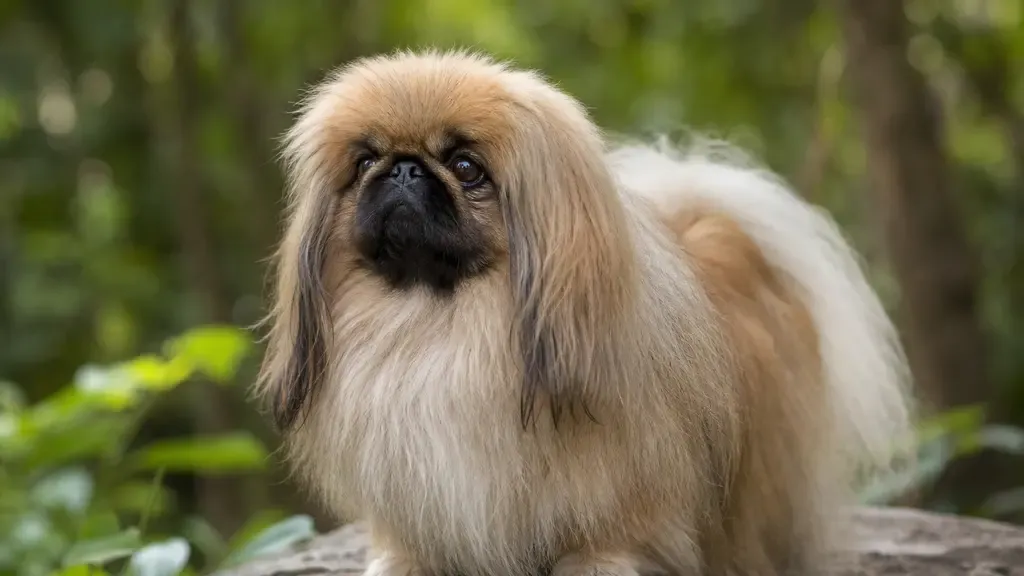
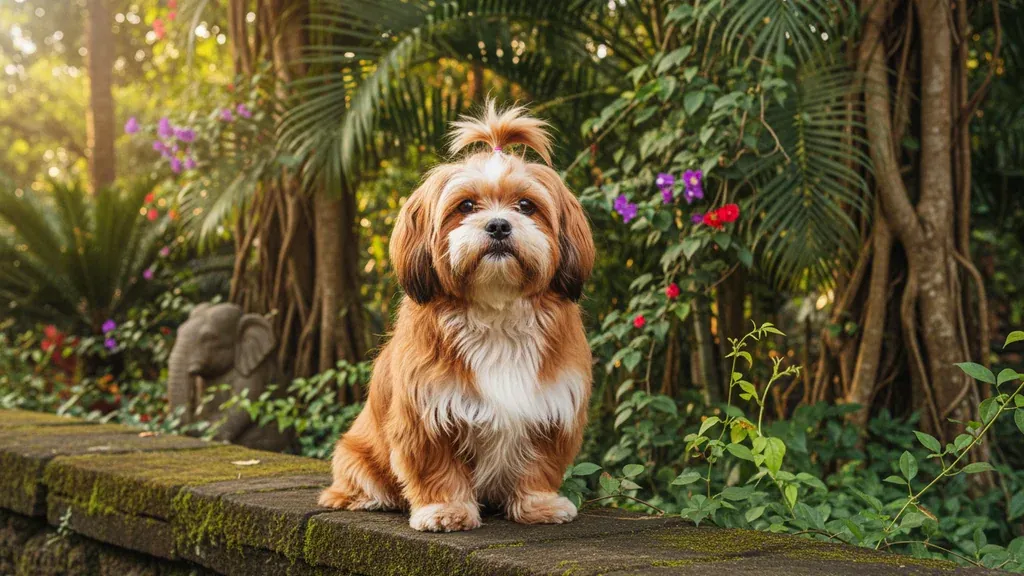
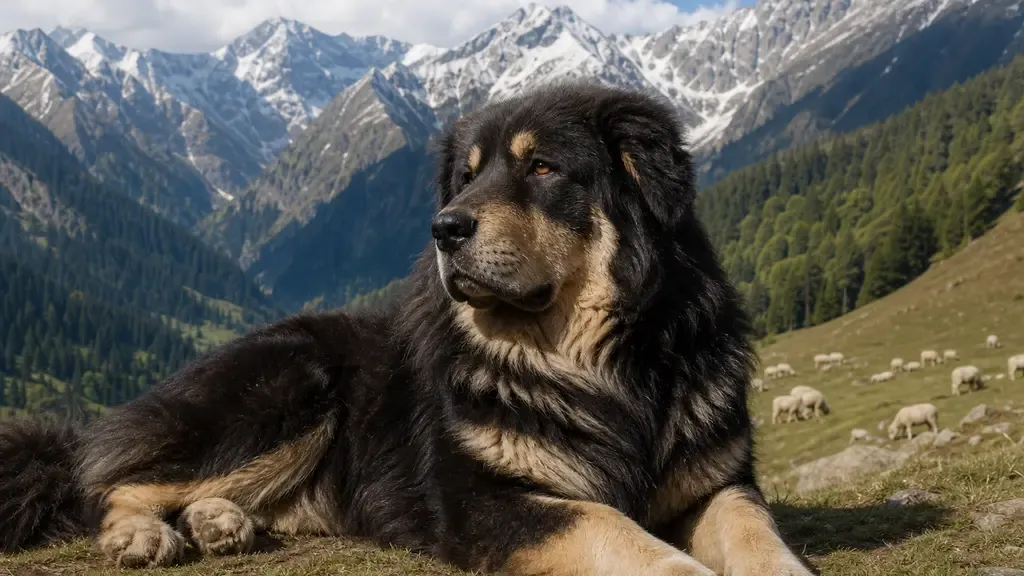
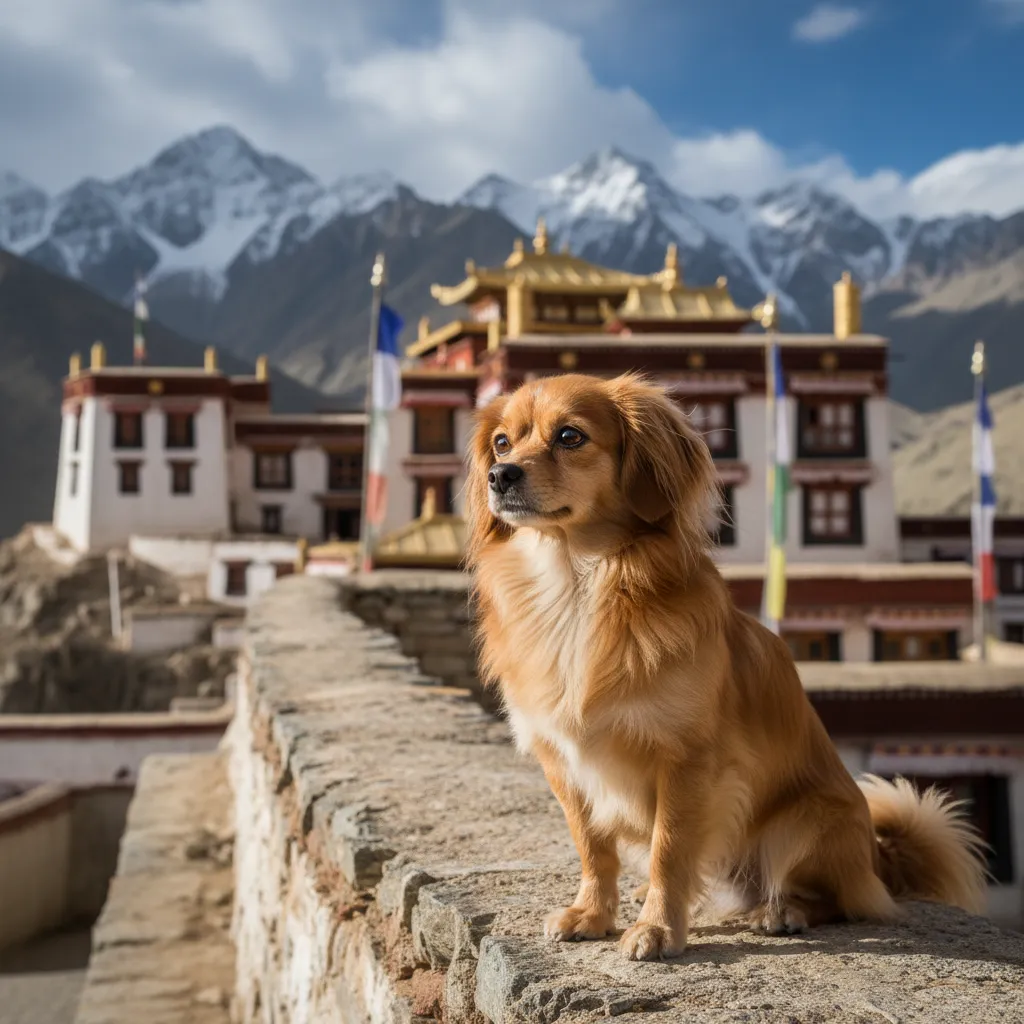
The Tibetan Spaniel is not a spaniel and never was. It is a small Asian companion dog from the Tibetan monasteries, related to the Pekingese and the Lhasa Apso rather than to any sporting breed, and the name is a European convenience applied long after the fact. What it actually did was sit on monastery walls and watch, a sentinel small enough to be no trouble and alert enough to announce anyone approaching, with the monastery's larger dogs handling whatever came next.
That job produced a dog with an unusual balance of traits. Tibbies are affectionate and genuinely attached to their people, but they carry a self-possession that owners consistently describe as cat-like: they choose the lap and the moment, they observe before engaging, and they are not biddable in the retriever sense. They are also natural climbers, drawn to the highest surface in the room, which is a straightforward inheritance from a dog bred to survey from a wall.
For household life this is one of the easier Himalayan breeds. The size suits apartments, the energy requirement is modest, the coat is a manageable silky double rather than a floor-length one, and the breed is sociable enough to enjoy family life without being needy. Two things are worth knowing in advance: they alert-bark, because that was the entire point of the dog, and the independence means training works through motivation rather than repetition. A bored Tibetan Spaniel will find its own entertainment and it will be at your expense.
Health is generally good for a small breed, with progressive retinal atrophy the main inherited concern to ask a breeder about, and the mildly shortened muzzle deserving attention in heat. That last point is the Indian caveat. Tibbies are a mountain breed with a double coat, and while the small body handles warmth better than a Tibetan Mastiff does, they are not comfortable in a plains summer without air conditioning and restricted midday activity. They are best suited to hill stations, or to households prepared to manage temperature seriously.