The account
Meet the Pekingese: The Lion Dog of Imperial China
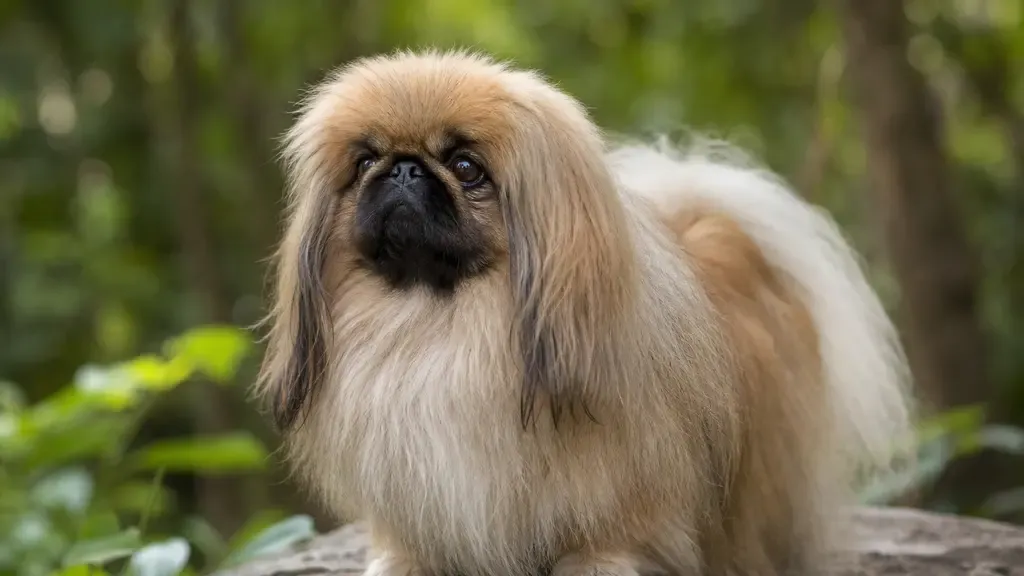
The Pekingese does not merely have a history. It is history, wrapped in a flowing golden coat and carried on four tiny, confident legs. For over a thousand years, these small lion-like dogs lived exclusively within the Forbidden City in Beijing, companions to Chinese emperors and empresses who considered them sacred. Commoners who dared to own a Pekingese faced death. The dogs had their own servants, were carried in the sleeves of royal robes (earning the name "Sleeve Dogs"), and were believed to be the offspring of a lion and a marmoset, blessed by Buddha himself.
When British troops stormed the Summer Palace during the Second Opium War in 1860, the imperial family fled, but not before ordering the palace Pekingese killed to prevent them falling into foreign hands. Five dogs survived, found hiding behind a tapestry near the body of the Emperor's aunt who had taken her own life. Those five dogs were brought to England, where one was presented to Queen Victoria. Every Pekingese in the Western world descends from those five survivors.
This is not a breed that has forgotten its origins. The Pekingese carries itself with a regal self-assurance that makes a Rottweiler look uncertain. It expects to be treated like royalty, and in the right home, it deserves nothing less.
Living With the Pekingese
The Pekingese can work in family homes, but with significant caveats:
What works: Their small size suits apartments. They need minimal exercise, a couple of short walks and indoor play satisfies them completely. They are quiet compared to many toy breeds. They bond deeply with their chosen person and are content to spend hours lounging nearby. Their food costs are negligible.
What's challenging: The double coat plus flat face makes heat management critical. Air conditioning is essentially mandatory during summer. Daily grooming is non-negotiable, skip a few days and you will have a matted, uncomfortable dog. Their independent, sometimes stubborn temperament means training is a negotiation, not a command. And they are fragile, a fall from a sofa or rough handling by a child can cause serious injury.
Coat Care: The Daily Ritual
The Pekingese coat is magnificent, a long, straight, coarse outer coat over a thick, soft undercoat, with a spectacular mane around the neck and shoulders. It needs daily attention:
- Daily brushing: Use a pin brush followed by a metal comb. Pay special attention to the mane, behind the ears, under the legs, and the rear.
- Mat prevention: Mats form quickly where friction occurs. If a mat has formed, gently work it apart with your fingers before brushing, never rip through a mat.
- Bathing: Every 3-4 weeks with a gentle, moisturising shampoo. Dry thoroughly, damp undercoat is a breeding ground for skin infections.
- Professional grooming: Every 4-6 weeks. Many Pekingese owners in hot climates opt for a shorter "puppy cut" or "summer cut" during the hot months, practical, comfortable, and much easier to maintain.
- Facial folds: Clean the deep wrinkle above the nose daily with a damp cloth, then dry completely. Infections here are painful and smelly.
- Eyes: Pekingese have prominent eyes vulnerable to injury and irritation. Check daily, clean any discharge, and watch for corneal scratches.
Training the Emperor
Pekingese are not disobedient. They are independently minded in a way that reflects their history. This is a breed that never had to work for a living. "Sit" and "stay" are requests, not commands, and your Pekingese will consider each one on its merits.
Training tips:
- Start early, before the Pekingese's natural confidence calcifies into inflexibility.
- Use high-value treats, chicken, cheese, liver. The Pekingese expects premium compensation.
- Keep sessions extremely short, 3-5 minutes max. Boredom triggers a dignified walk-away.
- Never use force or harsh corrections. A Pekingese does not forget disrespect.
- Potty training requires extraordinary patience. Crate training helps. Expect accidents for months.
- Celebrate small victories. A Pekingese that sits on command has chosen to honour you.
Health
The Pekingese is brachycephalic (flat-faced) with a long back and short legs, a combination that creates specific health vulnerabilities:
- BOAS: Breathing difficulties from narrowed airways. Watch for noisy breathing, exercise intolerance, and heat sensitivity. Severe cases may need surgery.
- Eye Problems: Corneal ulcers, dry eye, and proptosis (eye popping out of socket, a genuine emergency in flat-faced breeds). Protect those prominent eyes.
- Intervertebral Disc Disease (IVDD): The long back and short legs put stress on spinal discs. Prevent jumping from furniture, provide ramps or steps.
- Skin Fold Dermatitis: Daily cleaning of facial wrinkles prevents painful infections.
- Mitral Valve Disease: Heart condition common in small breeds. Annual vet checks from middle age.
Is a Pekingese Right for You?
The Pekingese is for someone who appreciates a dog with personality, not a blindly obedient robot but a companion with opinions, preferences, and an unshakeable sense of self-worth. It is for someone who is home often, values calm companionship over high-intensity activity, and doesn't mind a daily grooming ritual. And it is for someone who finds the idea of a 5-kilogram dog that believes it rules the world to be charming rather than frustrating.
If that describes you, the Pekingese offers a kind of companionship that has satisfied Chinese emperors for a thousand years.