Skip to content

FCI Group 6 (Scenthounds) · Sri Lanka

Sri Lankan Hound

The Sri Lankan Hound is a medium Sri Lanka breed: A tenacious and independent hunter with deep roots in Sri Lankan culture, the Sri Lankan Hound is na. Complete care guide with -specific tips.

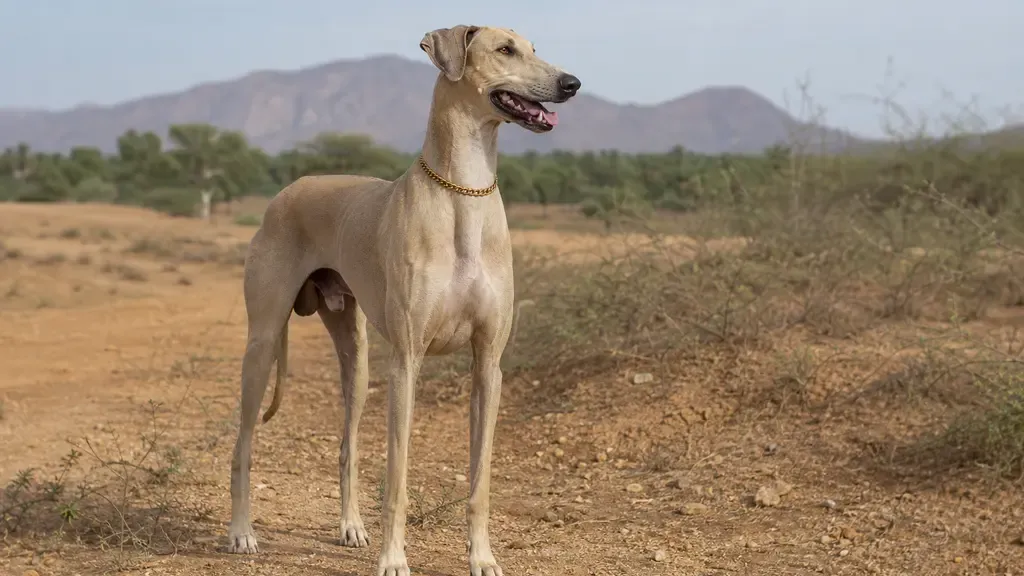
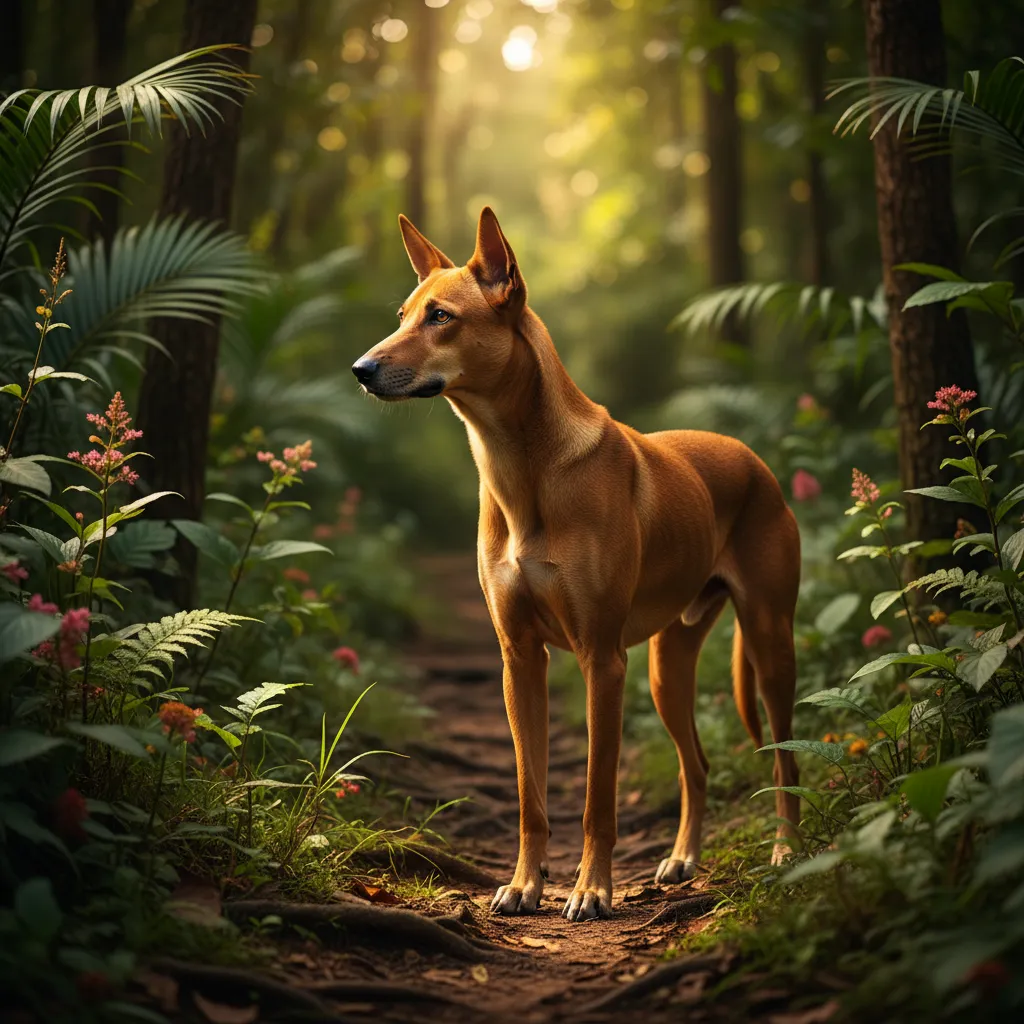
Sri Lankan Hound, an illustrated specimen plate
Plate, Sri Lankan Hound

The record

Size
Medium
Height at shoulder
20-25 inches
Weight
15-25kg
Lifespan
10-14 years
Group
FCI Group 6 (Scenthounds)
Origin
Sri Lanka
Period
Ancient, possibly over 3000 years
Bred for
Hunting hound used by Sinhalese communities for tracking and coursing game including deer, wild boar, and small mammals in Sri Lanka's forests and scrublands
Energy
High
Shedding
Low
Trainability
Medium
Prey drive
High
Pack drive
Medium
Protectiveness
Medium
Sociability
Medium
Independence
High

A tenacious and independent hunter with deep roots in Sri Lankan culture, the Sri Lankan Hound is naturally hardy and heat-tolerant but strongly prey-driven and best for experienced rural owners.

TemperamentTenaciousHeat-tolerantIndependentHardy

2 recorded ancestors stand behind this breed, nearest first. Open any one of them for what is known about it.

The account

The Sinhala Hound is probably the oldest dog in South Asia that anyone can point to, and it is disappearing into the general village dog population as you read this. Archaeological and genetic work in Sri Lanka has placed hound-type dogs on the island for several thousand years, associated with the Vedda communities and later with Sinhalese hunting households, and the type has been maintained by function alone, no standard, no registry, no organised breeding at any point in its history.

It is not a sighthound despite being called a hound. Sri Lanka's forests and scrub reward a dog that works close, tracks by scent and sound, and can be relied on in cover, and the Sinhala Hound is built accordingly: medium, light, short-coated, with erect ears, a curved tail and a wedge head, the pariah outline that appears wherever village dogs have been left to sort themselves out in a hot climate. It hunted deer, boar and small mammals, usually in small groups, and doubled as a homestead alarm.

Temperamentally it is what unmanaged selection tends to produce: tenacious, independent, wary of strangers, and entirely functional. These are dogs that make their own decisions, have a hard prey drive, and are not naturally biddable. Within a household they are loyal and undemanding, but they need genuine activity and they do not adapt well to confinement. Anyone imagining a low-effort tropical companion should read the independence rating literally.

The conservation position is the real story. Sri Lankan researchers and enthusiasts have argued for recognition and preservation for years, but the population is interbreeding freely with street dogs and the distinct type is thinning. For Indian readers there is no acquisition route and no need for one: the closest relatives of this dog are the Indian Pariah and the southern hounds, they are locally available, and they carry the same hardiness, heat tolerance and long working life.

Questions people ask

Is the Sri Lankan Hound the same as the Sinhala Hound?
Yes, the Sri Lankan Hound is also known as the Sinhala Hound. It is an ancient native breed that has been used for hunting in Sri Lanka for millennia. The purebred Sinhala Hound is believed to be nearly extinct due to crossbreeding with imported breeds.
Can I find a Sri Lankan Hound?
Pure Sri Lankan Hounds are virtually impossible to find even in Sri Lanka, let alone. Some village dogs in southern and Sri Lanka may carry Sinhala Hound ancestry, but a verified purebred specimen would be exceptionally rare.
What kind of home does a Sri Lankan Hound need?
Like most native hounds, the Sri Lankan Hound needs a home with secure outdoor space and a warm climate. Its strong prey drive and independent nature mean it is not suited to apartments or homes with small pets.

Nearby in the register

Back to the plate