The account
The Chippiparai is a one-person dog in a way that catches new owners off guard. It will live civilly with a whole household, take food from anyone and sleep wherever it likes, but it selects one human early and everything after that, the recall, the willingness to be handled, the tolerance for being told what to do, runs through that relationship. Owners who expect a dog that distributes its affection evenly find the breed cold. It is not cold. It is committed elsewhere.
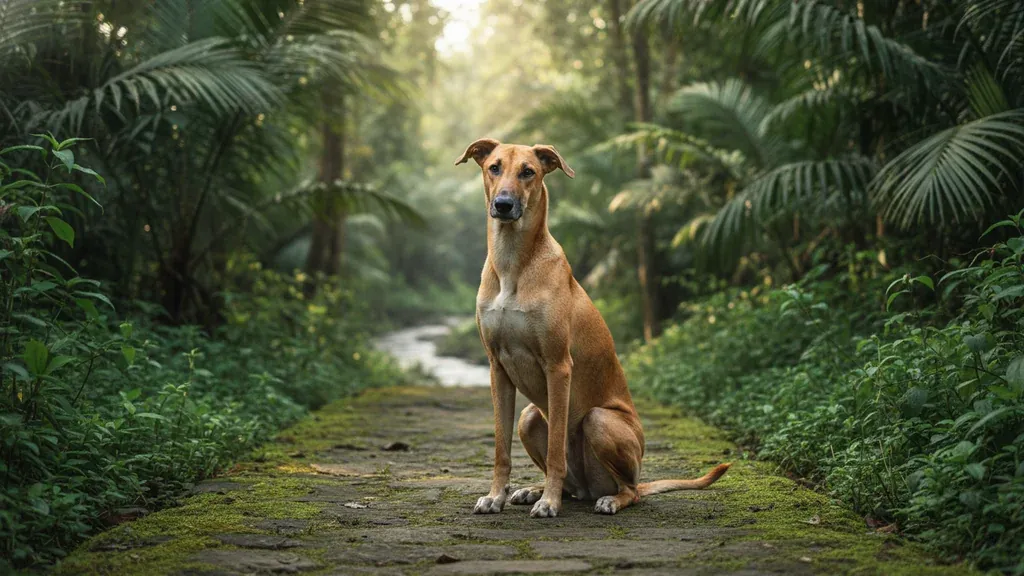
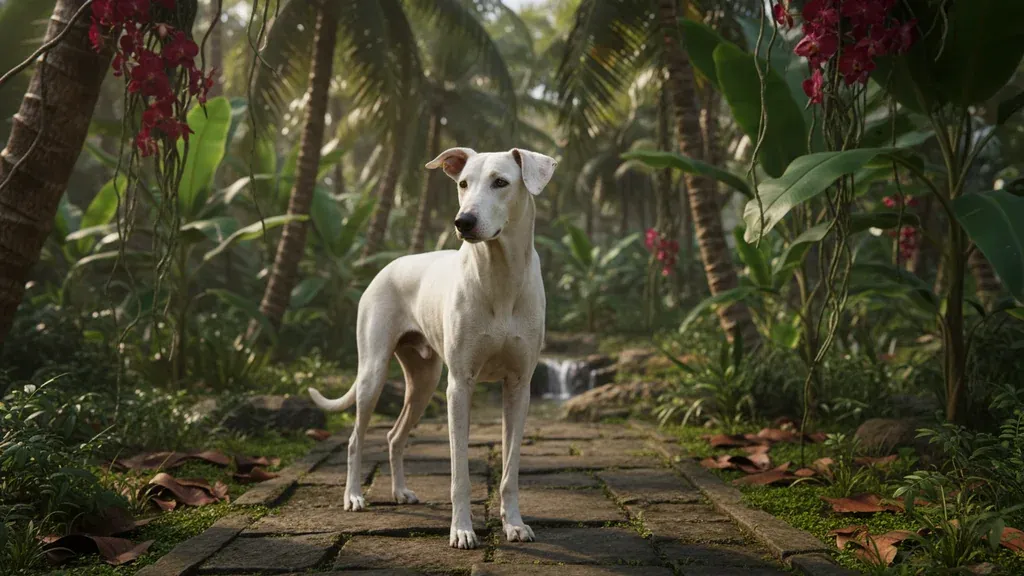
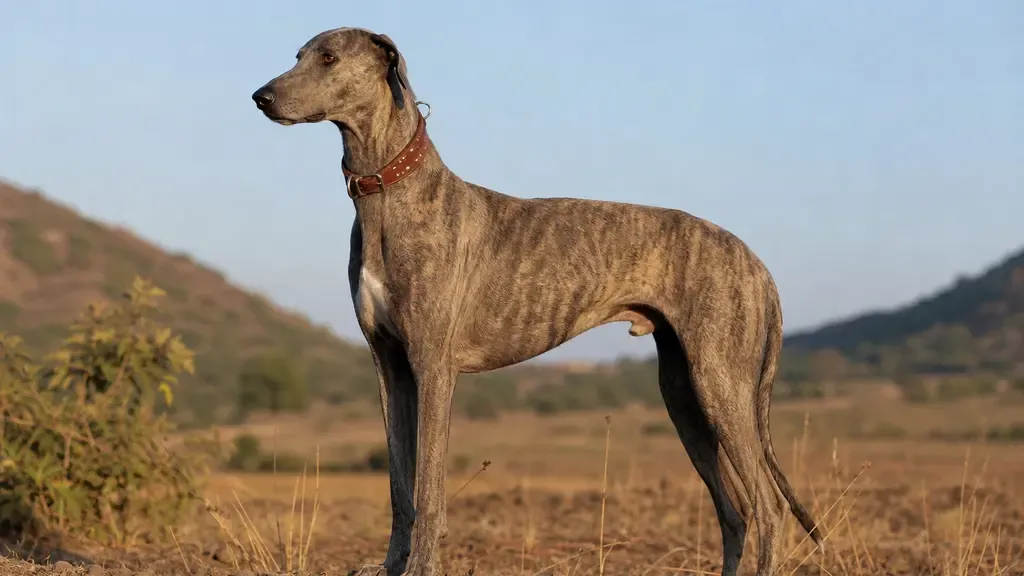
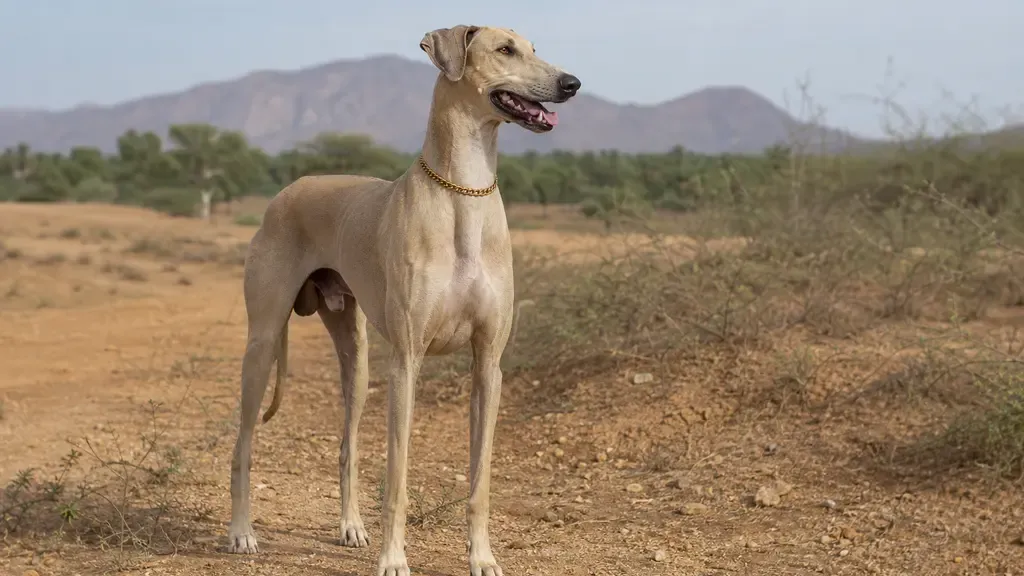
The dogs come from around Tirunelveli and Madurai, where the ruling families of the region kept them for coursing hare, blackbuck and occasionally boar across dry open country. They were prestige animals as well as working ones, and the fawn and silver-grey coats that the breed is known for were prized enough that colour was selected for alongside speed. That combination of function and status is why the Chippiparai stayed relatively consistent while other south Indian landraces blurred.
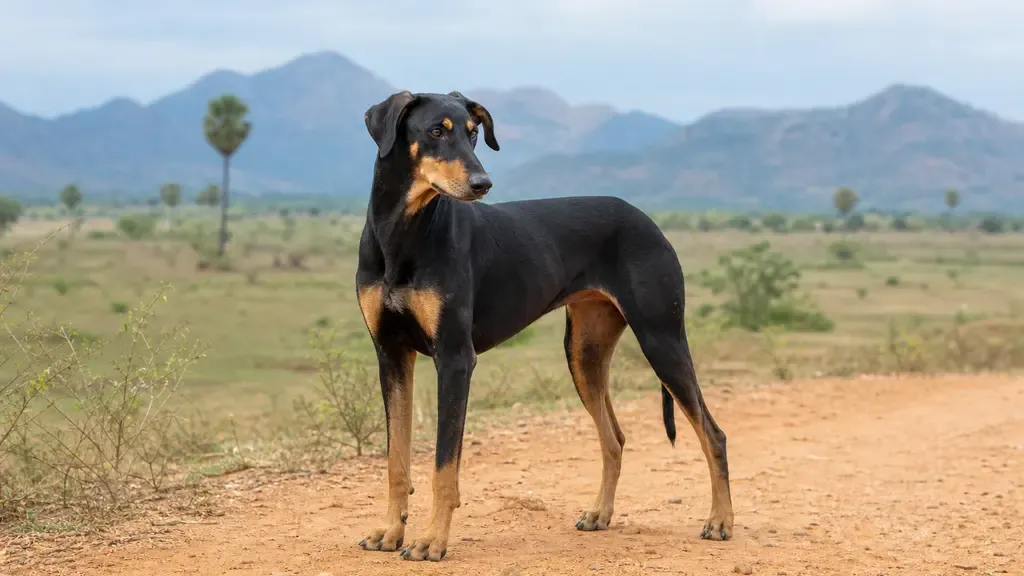
What it needs is straightforward and non-negotiable: a chance to run flat out. This is a coursing hound with a deep chest, long loin and very little body fat, built for a short, violent sprint rather than for endurance trotting. A daily lead walk does not touch it. A secure enclosed field two or three times a week does. The intelligence is real, Chippiparais learn quickly and are among the more biddable Indian sighthounds, but they are also thin-skinned in both senses, and harsh correction shuts them down rather than sharpening them.
For anyone in the Indian plains this is close to the ideal climate fit: the short coat, lean frame and desert-hound physiology handle 40°C better than almost any imported breed. The constraints are space and supply. Chippiparais need land, secure fencing against a very high prey drive, and a breeder base that barely exists outside a handful of Tamil Nadu districts. Buying one sight-unseen from another state is how people end up with a nondescript hound and a story.