Skip to content

Hound (Sighthound) · India (Tamil Nadu)

Kanni

The Kanni is Tamil Nadu's rare black-and-tan sighthound, loyal, swift, and built for the heat. Complete guide: temperament, training, and costs for this endangered Indian breed.

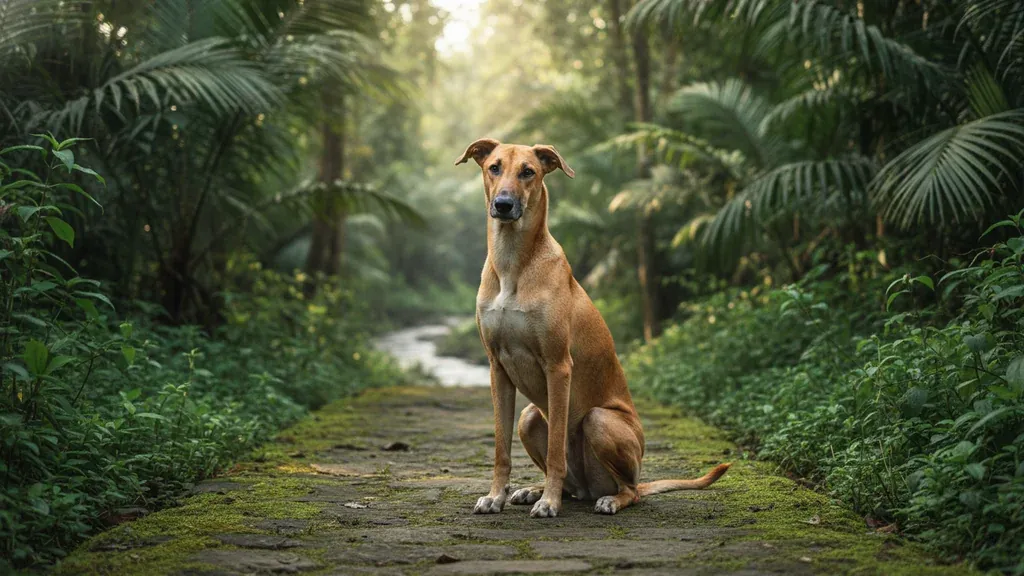
Kanni, an illustrated specimen plate
Plate, Kanni

The record

Size
Medium
Height at shoulder
22-26 inches
Weight
16-24kg
Lifespan
12-16 years
Group
Hound (Sighthound)
Origin
India (Tamil Nadu)
Period
Medieval period onward, from the Tirunelveli and Thoothukudi regions
Bred for
Sighthound for hunting hare, deer, and guarding; companion
Energy
High
Shedding
Low
Trainability
High
Prey drive
High
Pack drive
High
Protectiveness
High
Sociability
Medium
Independence
Medium

A graceful, devoted sighthound with a gentler temperament than most Indian guard breeds. Bonds deeply with its family, is surprisingly trainable, and makes an excellent companion for active, experienced owners.

TemperamentLoyalGentleAlertIntelligent

2 recorded ancestors stand behind this breed, nearest first. Open any one of them for what is known about it.

The account

The Kanni was traditionally given, not sold. In parts of Tirunelveli and Thoothukudi a pair of these dogs formed part of what a bride took to her new home, which is where the name, maiden, is generally held to come from. That custom did more than move dogs around. It meant the breed was selected for a temperament that could live inside a family rather than only work outside one, and it left the modern Kanni noticeably softer than the guarding breeds it shares a state with.

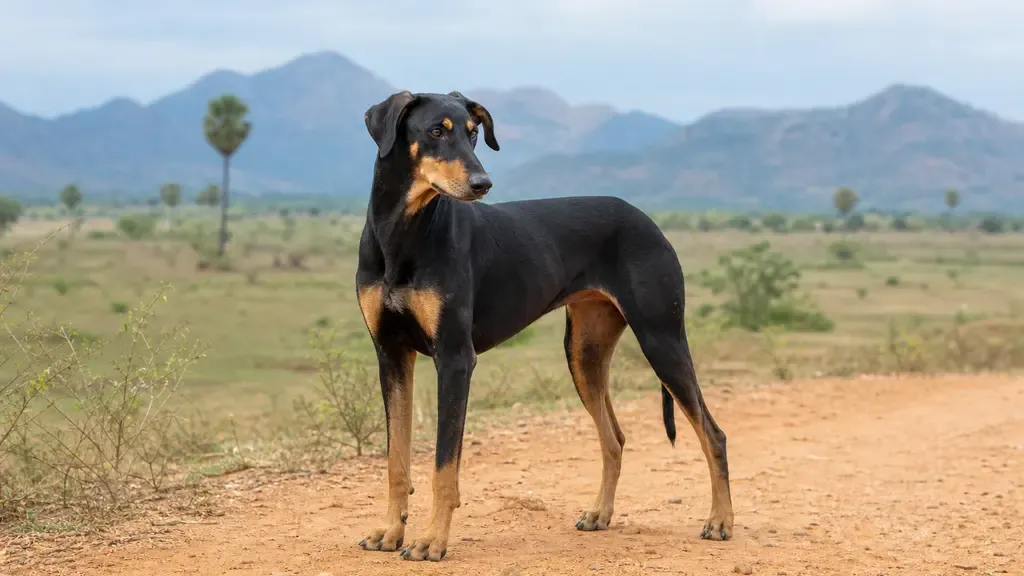
Physically it is a sighthound of the southern type: lean, deep-chested, light on its feet, and marked by the black-and-tan coat that distinguishes it from its fawn and silver cousins. Historically the dogs coursed hare and small deer across dry scrub and doubled as alarm dogs around the homestead. Neither job called for bulk, and the Kanni stayed at the smaller end of the Indian sighthounds, an advantage for anyone whose land is measured in hundreds of square metres rather than acres.

In practice the breed rewards owners who train it. Kanni are unusually responsive for a sighthound, pick up routines quickly, and remain genuinely attentive to their people in a way that a Rajapalayam does not. What that does not cancel is the prey drive, which is intact and instant. A Kanni that sights a cat across a road is gone before the command leaves your mouth, so secure fencing and lead-only walking in open ground stay compulsory regardless of how well the dog knows its name.

The real difficulty is that there may be only a few hundred true Kanni left. Declining hunting, no organised breeding programme, and decades of preference for imported breeds took the population close to collapse, and a small number of Tamil Nadu breeders and state conservation efforts are now rebuilding it from a narrow base. That has two consequences for a prospective owner: genuine dogs are hard to verify outside the home districts, and acquiring one is closer to joining a conservation effort than to buying a pet.
Questions people ask

How is the Kanni different from the Chippiparai?
Both are Tamil Nadu sighthounds and look similar, but there are differences. The Kanni is typically black-and-tan (the name means 'maiden' in Tamil, referencing its elegance), while the Chippiparai comes in solid fawn or silver-gray. The Kanni tends to be slightly smaller, somewhat more social and gentle, and was historically kept as both hunter and companion. The two breeds share ancestry but have diverged through regional breeding preferences.
Is the Kanni a good family dog?
Yes, for active families with space and dog experience. The Kanni is more social and gentle than many Indian sighthounds. It bonds deeply with its family, is generally good with children it has been raised with, and its alert nature makes it an excellent watchdog. However, it still needs daily running, secure fencing (prey drive is strong), early socialisation, and an owner who understands sighthound independence. It is more forgiving than a Rajapalayam or Kombai but is still not a casual pet.
Why is the Kanni so rare?
The Kanni faced near-extinction due to declining hunting practices in Tamil Nadu, lack of organised breeding, and competition from imported breeds. It is now considered critically endangered among Indian native breeds. Conservation efforts by a handful of dedicated breeders in Tamil Nadu are slowly rebuilding numbers, but the breed remains very difficult to find outside its home region.
How well does the Kanni handle a hot climate?
Perfectly. As a Tamil Nadu landrace sighthound, the Kanni is built for hot, dry conditions. Its short, fine coat and lean build handle hot summers effortlessly. Provide shade and water, and exercise during cool hours, and this is one of the most climate-adapted breeds you can own.
What is the monthly cost of keeping a Kanni?
Running costs vary a great deal by country and city. Food, routine vet care, and tick prevention. As a hardy indigenous breed with a short coat, maintenance costs are low. The Kanni's smaller size compared to other Indian sighthounds also means slightly lower food costs. The main investment is in space and time, not money.

Nearby in the register

Back to the plate