-1759995710148.webp/1920.webp)
The account
Why is the Indian Pariah the ideal dog for a family home?
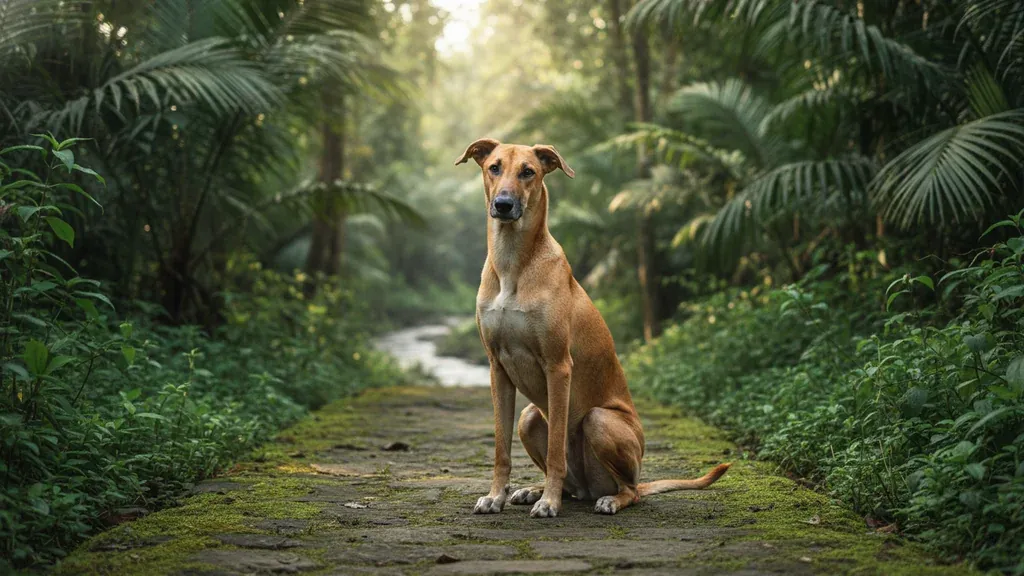
Because it was shaped by India itself. The Indie is a natural landrace that evolved over thousands of years to thrive in this exact climate, with strong immunity, a heat-tuned body, and a sharp, adaptable mind. While imported breeds battle the heat and rack up vet bills, the Indie quietly does what it has always done: stays healthy, alert, and devoted on a fraction of the cost and fuss.
What makes it such a sensible choice for real everyday life:
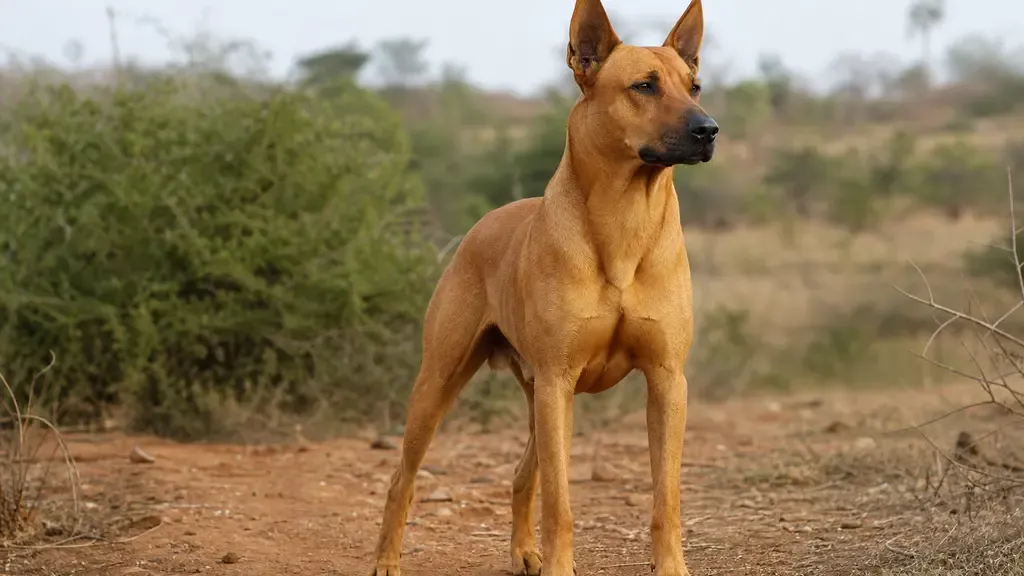
- Built for the climate. A short coat and lean frame mean the Indie handles heat, humidity, and monsoon far better than any pedigree breed.
- Naturally healthy. Centuries of natural selection left a hardy dog with few of the inherited diseases that plague designer breeds.
- Low cost, low grooming. Minimal coat care and robust health keep monthly expenses among the lowest of any dog.
- Smart and loyal. Street-smart problem-solving plus a strong watchdog instinct make a protective, trainable companion.
The honest summary: adopting an Indie is the most practical and ethical choice most families can make. There are thousands waiting in shelters and on streets, and few dogs are better suited to the country they come from. If you want a healthy, climate-ready, affordable companion, look here first.
Exercise Requirements
An Indian Pariah needs around 45 minutes to an hour of activity daily, split to dodge the worst of the heat. These are athletic, curious dogs with a real working past, so a brisk walk plus some off-lead running or fetch in a safe space keeps them content. Their natural fitness means they rarely tire on a normal walk, but in peak summer keep sessions to the early morning and after sunset.
What truly satisfies an Indie is using its mind. Bred to survive by their wits, these dogs love a challenge: scent games, hide-and-seek with treats, and puzzle feeders engage them deeply during the monsoon or hot afternoons when outdoor time is limited. A well-exercised Indie is calm and easy indoors. Channel that intelligence and you will rarely see the boredom-driven chewing or digging that under-stimulated dogs fall into.
Grooming Routine
Grooming an Indie is refreshingly simple. The short, weather-resistant coat sheds very little, so a brush every week or two with a rubber mitt or bristle brush is all it takes to keep it clean and healthy. This is one of the lowest-maintenance coats of any dog, which is a big part of why the breed is so well suited to busy households and the dusty, humid conditions here.
Bathe only every two to three months, or when your dog has genuinely rolled in something, using a mild shampoo to protect the skin. Over-bathing does more harm than good. The parts that actually matter are the basics owners forget: trim nails every three to four weeks, check and clean the ears, and brush the teeth regularly. After walks in polluted city areas, a quick wipe-down keeps the coat fresh and helps prevent the skin allergies that can occasionally appear.
Training Approach
Indies are highly trainable, but on their own terms. Generations of independent street survival left them intelligent and quick to learn, yet self-reliant enough to question pointless commands. They respond beautifully to short, reward-based sessions built on trust, and poorly to force or repetition. Earn an Indie's respect and you will be amazed how fast it picks things up, often faster than many celebrated pedigree breeds.
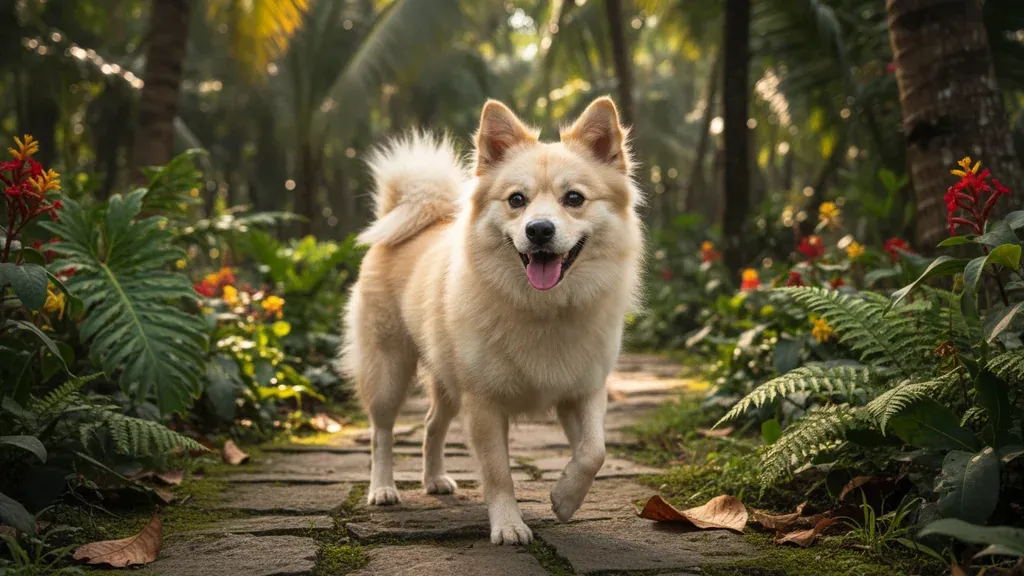
Early socialisation is the key to a well-rounded Indie. Their natural alertness can tip into wariness of strangers, so introduce a puppy to different people, dogs, traffic, and household sounds while young. They are not big barkers by nature, but a poorly socialised Indie may become vocal or aloof. Like the Indian Spitz, another hardy native favourite, the Indie thrives on being included in family life. Give it a job, a routine, and consistency, and it becomes a steady, dependable companion.
Feeding Guidelines
Indies do well on a straightforward, protein-rich diet matched to their life stage: three to four small meals a day for puppies, one to two measured meals for adults, and smaller, more frequent meals for seniors. They are not fussy eaters and their efficient metabolism means they rarely need the rich, calorie-dense food some pedigree breeds demand. Keep them lean and active rather than overfed.
Quality kibble or a balanced home-cooked diet both work well; many families raise healthy Indies on dal, rice, vegetables, and lean protein under a vet's guidance. Skip the toxic staples, chocolate, onions, grapes, and oily masala leftovers, and keep treats to simple options like banana or carrot. Because diet changes and street-scavenged food can upset any dog's stomach, some owners support digestion with a gut-health routine. Store food in airtight containers In humid conditions and keep fresh water always available.
Health Considerations
The Indian Pariah is famously one of the healthiest dogs you can own, a direct result of natural selection rather than selective breeding. Free of most inherited disorders that trouble pedigree breeds, the main thing to watch is skin allergies, which show up as scratching, red patches, or hair loss, often tied to fleas, ticks, or diet. Caught early, these are easy to manage with a vet's help.
Even a hardy breed needs preventive care. Stay current on core vaccinations against parvovirus and canine distemper, especially important for pups adopted from the street where exposure is high. Keep up reliable flea and tick prevention to guard against tick-borne illnesses such as ehrlichiosis. While the Indie handles heat better than any imported dog, still provide shade and water in peak summer. With basic care, an Indie often lives a vigorous 13 to 16 years, longer than most large pedigree breeds.
Living Situation
The Indian Pariah adapts to almost any home, which is exactly why it has lived alongside us for millennia. A medium-sized Indie settles happily into a city flat as long as it gets daily exercise and company, and it positively flourishes in a house with a yard or terrace to patrol. Their adaptability is unmatched among dogs, and they slot into everything from a city apartment to a rural farmstead.
Indies are social and bond strongly with their people, getting on well with children and, when raised together, with other pets. Their alert watchdog nature makes them naturally protective of home and family, a quality that needs early socialisation to stay friendly rather than fearful. For the climate they need little, just shade, fresh water, and a cool spot to rest. In busy urban areas, mind traffic and secure your gate, since a curious, athletic Indie loves to explore.
Did You Know?
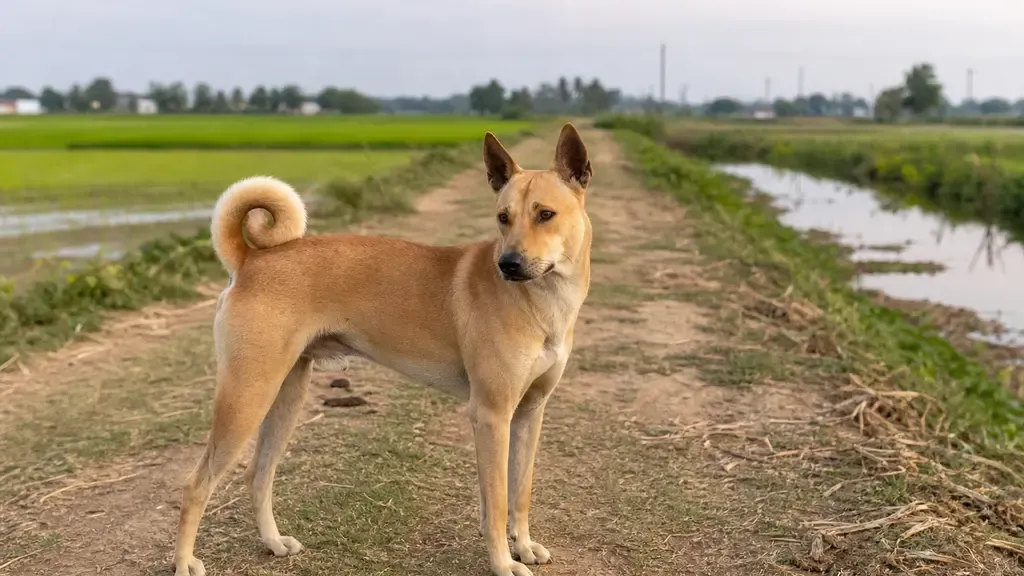
The Indian Pariah is not really a "breed" in the modern sense; it is a landrace, a population shaped by nature and climate rather than by human breeding charts. Genetic studies place it among the oldest dog lineages on earth, with roots stretching back many thousands of years across the subcontinent. Ancient rock art at sites like Bhimbetka shows lean, curl-tailed dogs hunting alongside humans, dogs that look remarkably like the Indie trotting down any Indian street today. This is, quite literally, a living link to the dawn of the human-dog partnership.
For centuries these dogs guarded villages, herded livestock, and shared the lives of communities across India, prized for exactly the traits natural selection sharpened: intelligence, immunity, and resilience. Colonial attitudes and an obsession with imported pedigrees pushed the native dog to the margins, and the very word "pariah" reflects that unfair stigma. Happily, that tide is turning. A growing "adopt, don't shop" movement and the work of Indian kennel enthusiasts have begun celebrating the Indie as the smart, healthy, climate-perfect dog it always was. Choosing one over a heat-struggling imported breed is not a compromise; for most homes it is the wiser decision, and it gives a deserving dog a home in the land that made it.
Frequently Asked Questions
Q: Why is the Indian Pariah considered such a practical dog?
A: Because it evolved here over thousands of years. The Indie is built for heat and humidity, carries strong natural immunity, needs minimal grooming, and costs little to keep. It is healthy, intelligent, and adaptable to both flats and houses. For most families, no imported breed matches its practicality.
Q: Are Indian Pariah dogs good family pets?
A: Yes, very. Indies are loyal, alert, and social, and they bond closely with their families and children. Their natural watchdog instinct makes them protective without being aggressive when well socialised. Raised with early handling and consistent training, an Indie is one of the most rewarding family dogs you can adopt.
Q: Do Indian Pariah dogs handle a hot climate well?
A: Better than any imported breed. The Indie's short coat and lean build are tuned to heat and humidity, and it copes with the monsoon with ease. You still provide shade, fresh water, and cool-hour walks in peak summer, but this dog rarely suffers the heat problems that plague pedigree breeds here.
Q: Are Indian Pariahs easy to train?
A: Yes. Indies are intelligent and quick to learn, though their independent streak means they respond to respect and reward, not force. Short, positive sessions work best. Early socialisation curbs wariness of strangers. Their street-smart problem-solving makes them surprisingly capable once you earn their trust.
Q: What does it cost to keep an Indian Pariah?
A: Very little. Food runs routine vet care and grooming is minimal thanks to the short coat. Their robust health means fewer vet bills than pedigree breeds, which is a big part of their appeal.