Skip to content

FCI Group 5 Section 5 (Asian Spitz and Related Breeds); AKC Foundation Stock Service · Japan (Shikoku Island)

Shikoku

The Shikoku is a rare, high-energy Japanese hunting dog. Learn about this ancient breed's temperament, care needs, and whether it suits family homes.

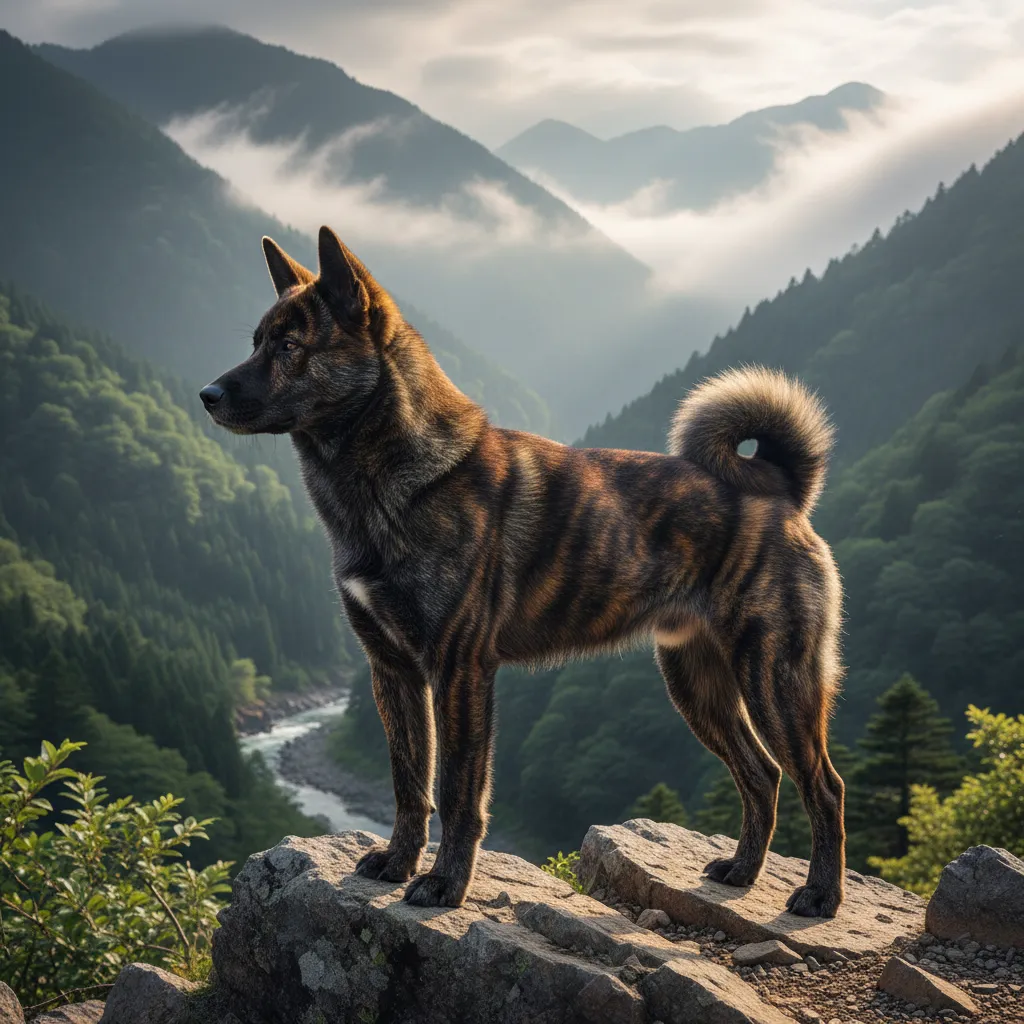
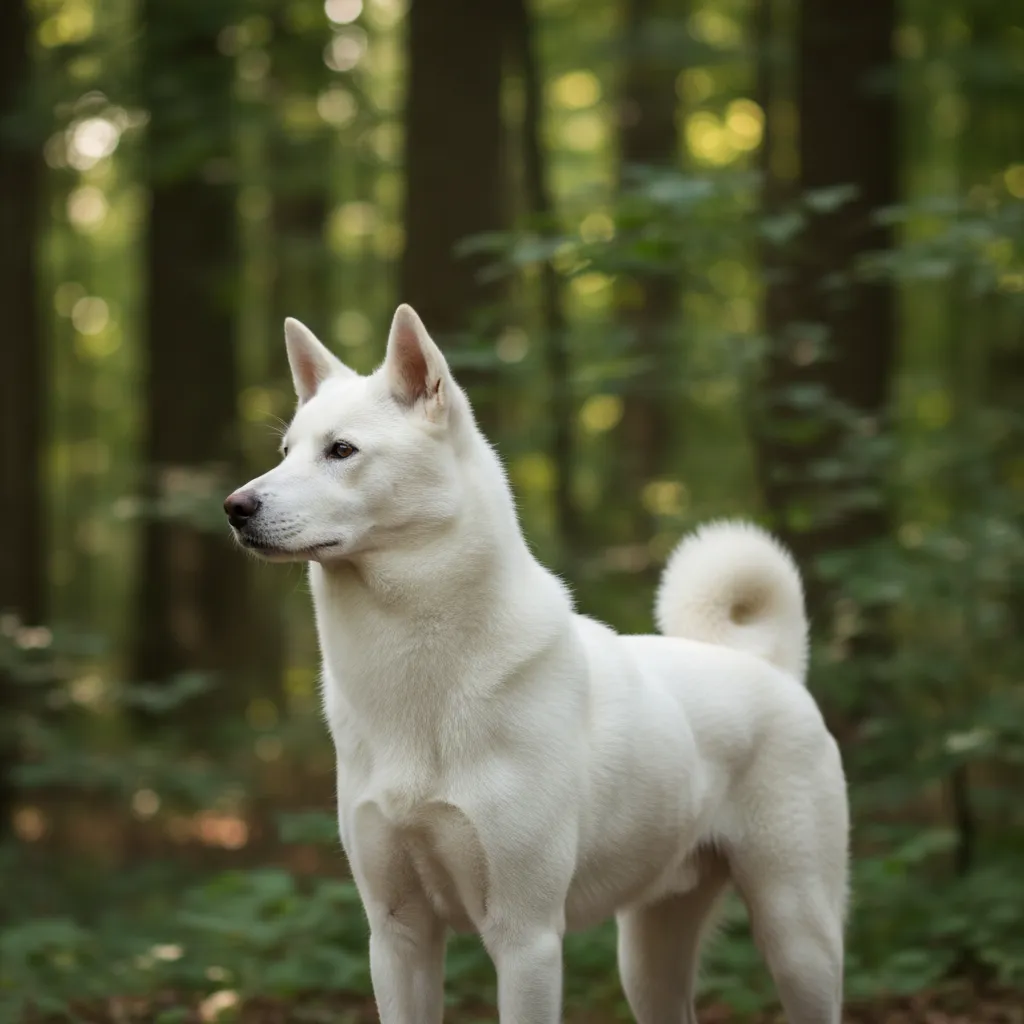
Shikoku, an illustrated specimen plate
Plate, Shikoku

The record

Size
Medium
Height at shoulder
17-22 inches
Weight
16-25kg
Lifespan
10-12 years
Group
FCI Group 5 Section 5 (Asian Spitz and Related Breeds); AKC Foundation Stock Service
Origin
Japan (Shikoku Island)
Period
Ancient, existed for centuries, standardised in early 20th century
Bred for
Boar hunting in steep, mountainous terrain of Shikoku Island
Energy
Very High
Shedding
High
Trainability
Medium
Prey drive
High
Pack drive
Medium
Protectiveness
High
Sociability
Medium
Independence
High

A fierce, intelligent hunter with unwavering loyalty to its owner, the Shikoku is energetic, independent, and needs experienced handling.

TemperamentLoyalEnergeticIndependentAlert

3 recorded ancestors stand behind this breed, nearest first. Open any one of them for what is known about it.

The account

The Shikoku is the nihon-ken that experienced dog people are warned about. It was bred in the mountainous interior of Shikoku Island for boar hunting in steep, densely forested terrain, and the selection pressure was brutal and specific: a dog that could work a full day on a hillside, engage an animal several times its weight, and keep making good decisions with no handler in sight. The result is fast, tough, extremely intelligent and only conditionally interested in what you want.

Three regional lines developed, Awa, Hongawa and Hata, of which Hongawa, from the most inaccessible part of the island, was the least crossed and forms the backbone of the modern breed. The typical coat is sesame, a mix of red and black-tipped hairs that is difficult to breed correctly and gives the dog its wolf-like look. Japan designated it a Natural Monument in 1937.

Living with one is a serious undertaking. Energy is very high and not satisfied by walks; a Shikoku needs hard daily work, ideally including problem-solving, or it will invent projects. Prey drive is intense and same-sex dog aggression is common enough to be assumed rather than hoped against. The bond with its own people is genuinely deep, and within the household these dogs are affectionate and expressive. Outside it, they are wary, and they do not extend trust on the basis of repeated exposure alone.

For India both the climate and the supply argue against it. The dense double coat, built for cold mountain winters, sheds heavily twice a year and offers no defence against a plains summer. The breed is rare even in Japan, with a small annual registration count and limited export, and there is no breeder base in South Asia at all. Health is good, a hardy breed with a modest inherited disease burden and a working life into its low teens. It is the temperament, not the biology, that makes this a specialist's dog.
Questions people ask

Is the Shikoku available?
The Shikoku is extremely rare and not available through standard breeders. Importing from Japan or the US would is expensive including transport and quarantine.
Can a Shikoku handle hot, humid summers?
The Shikoku has a thick double coat designed for mountainous Japanese terrain, making hot, humid summers very challenging. They need constant air-conditioning and limited outdoor time during peak heat.
Are Shikokus good family dogs?
Shikokus are intensely loyal to their family but can be aloof with strangers. They have high prey drive and boundless energy, best suited for experienced owners.
How much exercise does a Shikoku need?
Shikokus need 1.5-2 hours of vigorous daily exercise. They were bred to hunt boar across steep mountains, so a simple walk will not suffice.
What is the price of a Shikoku?
There is no domestic market for Shikokus. An imported puppy from Japan or the US would is expensive including import logistics.

Nearby in the register

Back to the plate