The account
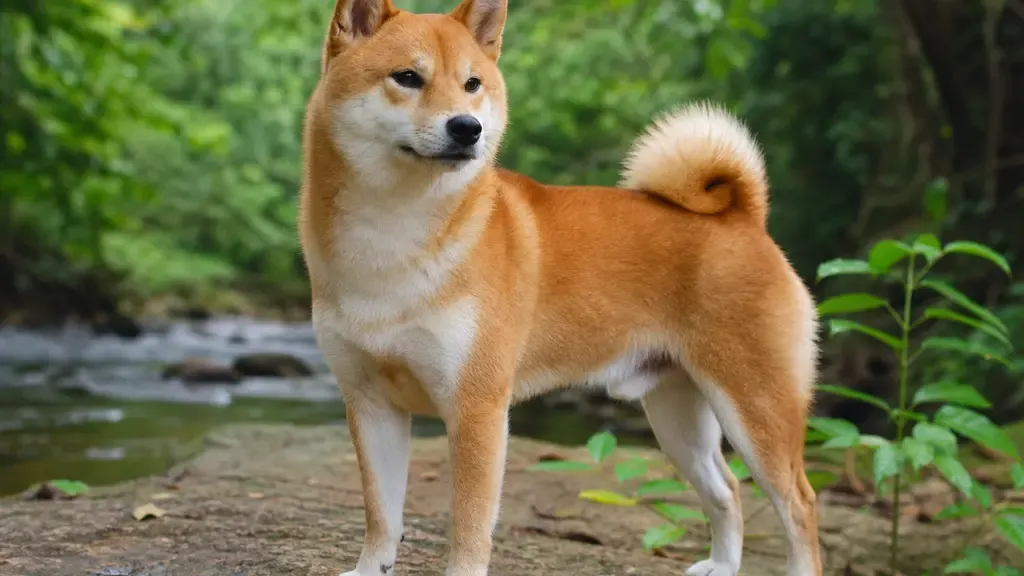
Meet the Shiba Inu: The Fox of the Mountains
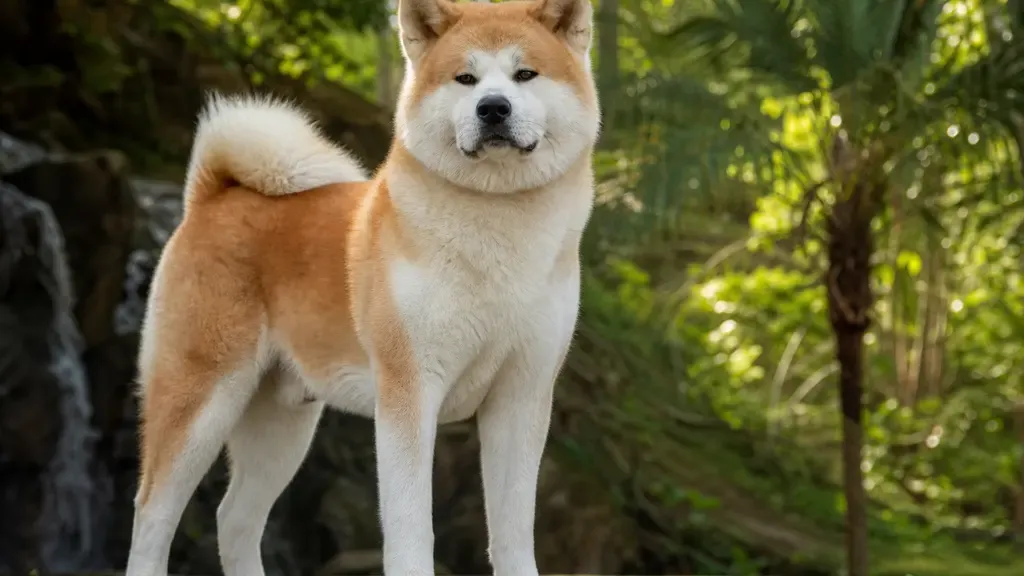
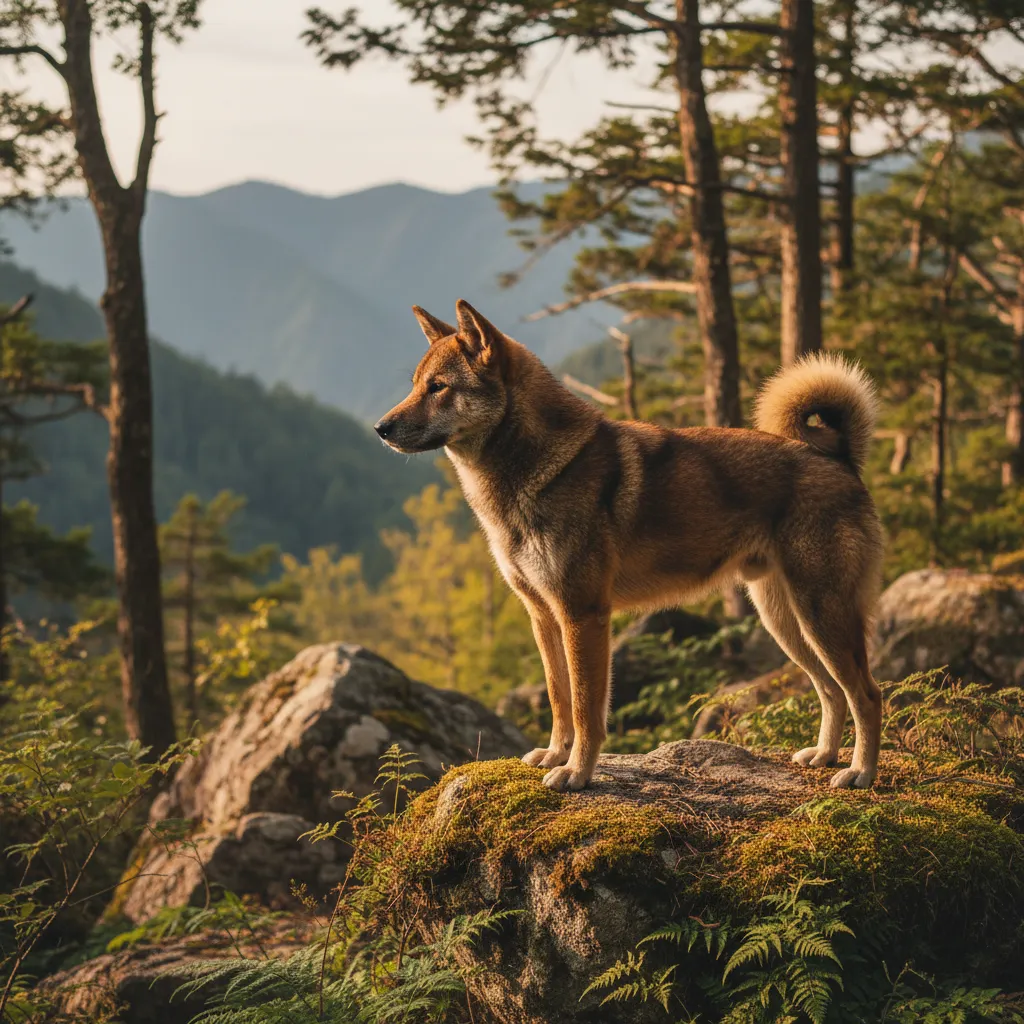
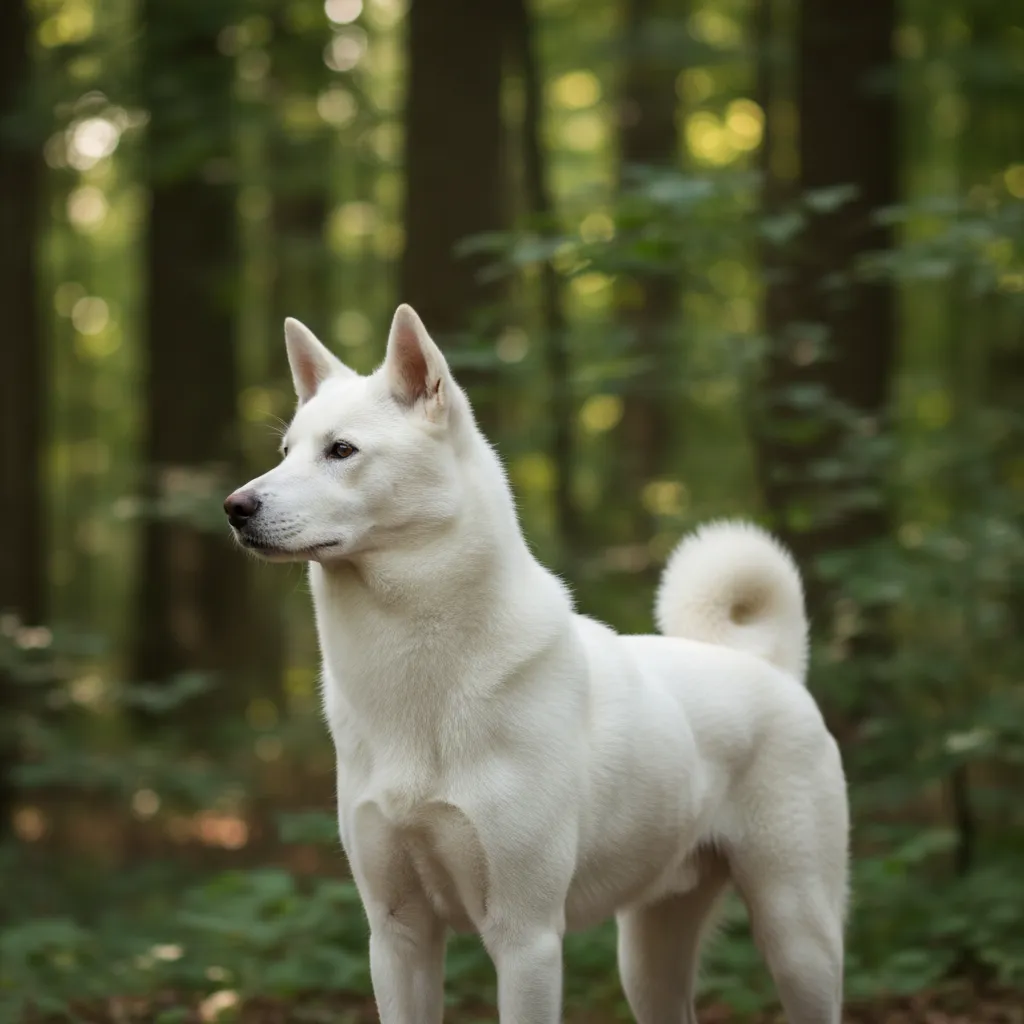
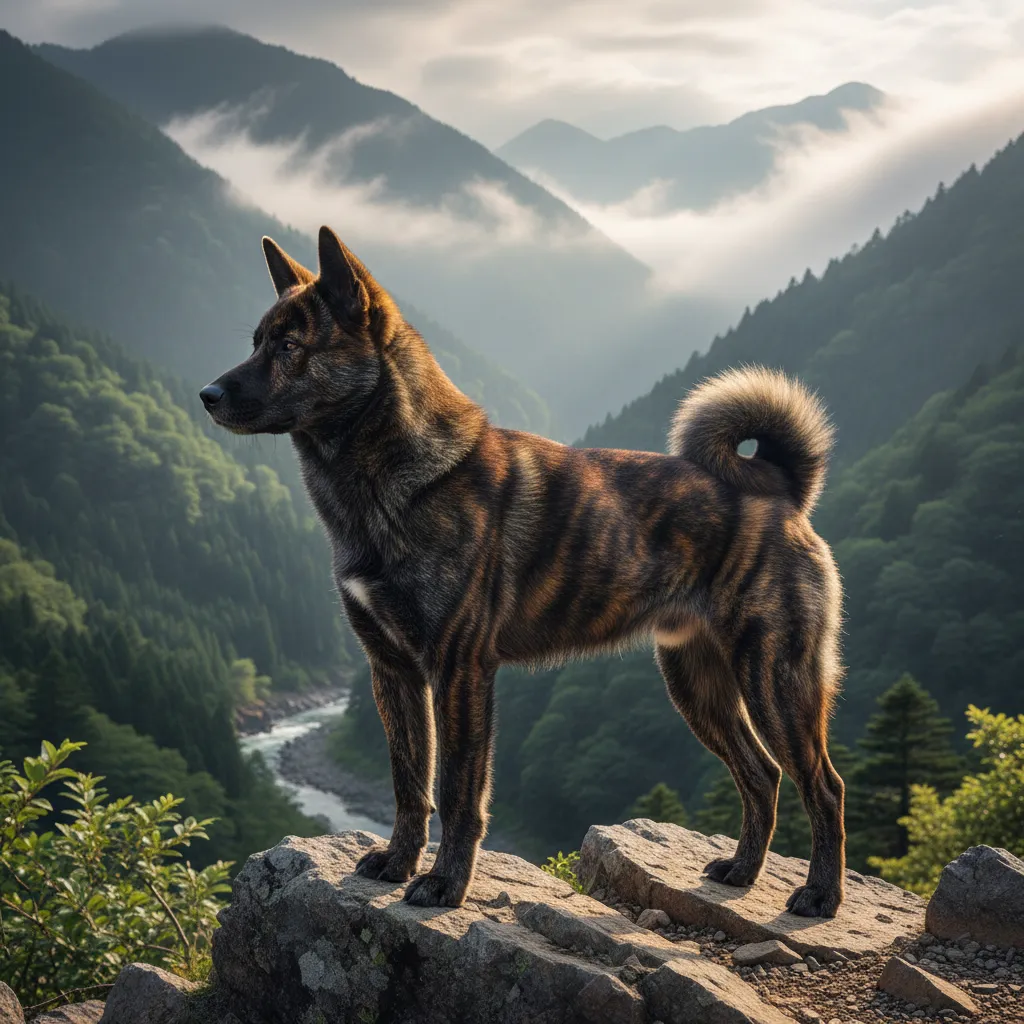
There is a Japanese word, "shibui", that describes an aesthetic of understated, effortless beauty. Simple elegance that reveals itself slowly, never shouts, and does not care whether you appreciate it. The Shiba Inu, Japan's smallest and oldest native breed, embodies shibui perfectly.
For over ten thousand years, since the Jomon period, when Japan's first human inhabitants shared their lives with small, prick-eared hunting dogs, the Shiba's ancestors have lived in Japan's mountains. They hunted birds and small game independently, navigating dense underbrush without human direction. They survived not by obeying commands but by making correct decisions alone. This history shaped a dog of extraordinary self-possession: alert, bold, clean, and completely convinced of its own competence.
The modern Shiba is a study in contradictions. It bonds fiercely to its family but may ignore strangers entirely. It is fastidiously clean (grooming itself like a cat) but sheds with industrial efficiency. It is small enough for apartment living but has the confidence and prey drive of a much larger hunting dog. And it produces a sound, the "Shiba scream", that must be heard to be believed.
Living With the Shiba Inu
Shibas are still rare, but their internet fame (the Doge meme introduced millions to the breed) is driving growing interest:
What works: Their size suits apartments. They are naturally clean and house-train easily. They are quiet when content, not compulsive barkers. They do not need constant attention or physical contact, ideal for people who love dogs but value personal space. Their fox-like beauty and dignified bearing make them endlessly watchable.
What's challenging: Their independence is often mistaken for disobedience. They are escape artists, a Shiba that sees an open door will take it, and recall is unreliable. They have high prey drive and cannot be trusted with small pets. Same-sex aggression is common. And the Shiba scream, a piercing, dramatic vocalisation produced when unhappy, frightened, or simply offended, is genuinely startling and poorly suited to close-quarters urban living.
Coat Care: The Double-Edged Sword
The Shiba's coat is magnificent and maddening in equal measure:
- Double coat: A soft, dense undercoat beneath a straight, harsh outer coat. Water-resistant and naturally clean.
- Shedding: Normal shedding is moderate. But twice a year, the Shiba "blows coat", the entire undercoat comes out in tufts over 2-3 weeks. Daily brushing with an undercoat rake is mandatory during these periods. You will fill bags with fur and still find it everywhere.
- Self-cleaning: Shibas groom themselves like cats. Dirt dries and falls off. Bathing is rarely needed, every 8-12 weeks, or when genuinely dirty.
- Never shave: The double coat provides temperature regulation. Shaving ruins the coat texture permanently and exposes skin to sun damage.
- Nails: Shibas are often dramatic about nail trimming. Start handling feet from puppyhood. Professional help may be needed.
The Shiba Mind: Training an Independent Spirit
Training a Shiba Inu requires a fundamental mental shift. This is not a breed that lives to please you:
- Shibas learn commands quickly but comply selectively. "Sit" when there is chicken, absolutely. "Sit" when there is nothing in it for them, unlikely.
- Food motivation is high but situational. A Shiba that is full or distracted will ignore even premium treats.
- Positive reinforcement only. Force, yelling, or physical correction will damage the relationship permanently. A Shiba does not forget disrespect.
- Short, varied sessions. Repetition bores them. End on success.
- Recall is the holy grail, and many Shibas never achieve reliable recall. A securely fenced yard and leash walking are essential. Never trust a Shiba off-leash in an unenclosed area.
- Socialisation is critical from puppyhood. Expose Shibas to people, dogs, situations, and handling (paws, ears, mouth). An unsocialised Shiba becomes fearful and reactive.
- Crate training provides security and prevents destruction. Shibas often enjoy having a "den."
The Shiba Scream
It needs its own section. The Shiba scream is a high-pitched, prolonged, almost theatrical vocalisation produced when the dog is unhappy, frightened, overstimulated, or simply objecting to something (nail trims are a common trigger). It sounds like the dog is being murdered. It is not. It is expressing displeasure with characteristic Shiba drama. Understanding that the scream is communication, not pain, helps you respond calmly rather than panicking. Respect the dog's boundaries, work gradually on triggers, and accept that some Shibas will always scream about certain things.
Health
- Patellar Luxation: Slipping kneecaps, common in small breeds. Check parents' certification.
- Hip Dysplasia: Less common than in larger breeds but present. OFA or equivalent testing.
- Glaucoma: Shibas are predisposed. Annual eye exams from middle age.
- Allergies: Environmental and food allergies are common. Itching, licking, ear infections signal an issue.
- Dental Disease: Small mouth, crowded teeth. Daily brushing prevents expensive extractions.
- Lifespan: 13-16 years is typical. Well-cared-for Shibas reach their late teens. This is a long commitment.
Is a Shiba Inu Right for You?
A Shiba Inu is for someone who appreciates a dog with boundaries. Someone who finds independence charming rather than frustrating. Someone who doesn't need a velcro dog, who enjoys canine companionship but also values personal space. Someone with a securely fenced yard, no small pets, and the patience to earn a relationship rather than demand obedience.
It is for someone who looks at a Shiba, sitting alone, observing the world with that characteristic alert dignity, and sees not aloofness but self-possession. Because a Shiba's respect, once earned, is one of the most genuine relationships in the dog world. Just don't expect it to come when called.