The account
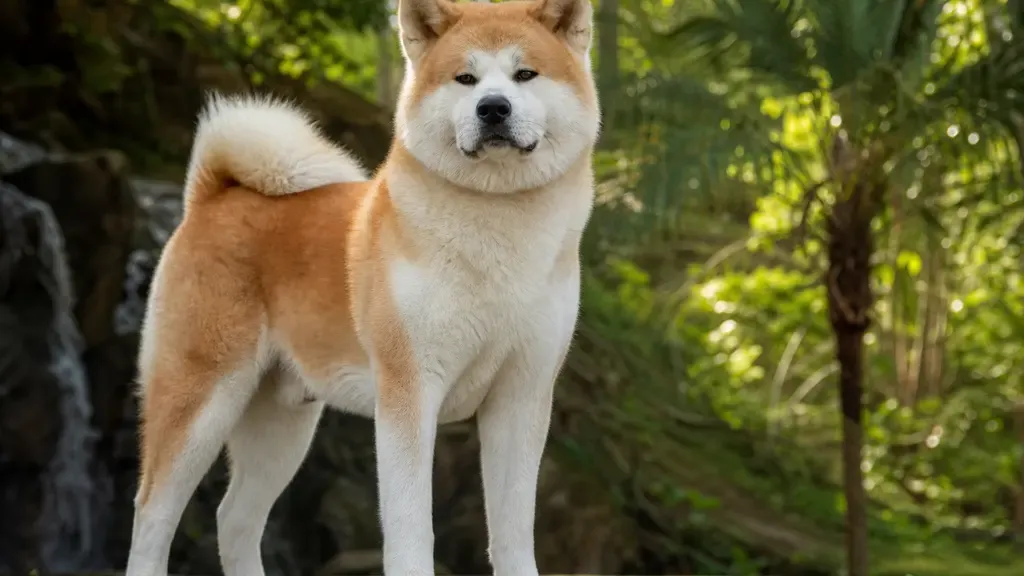
Meet the Akita: The Silent Guardian
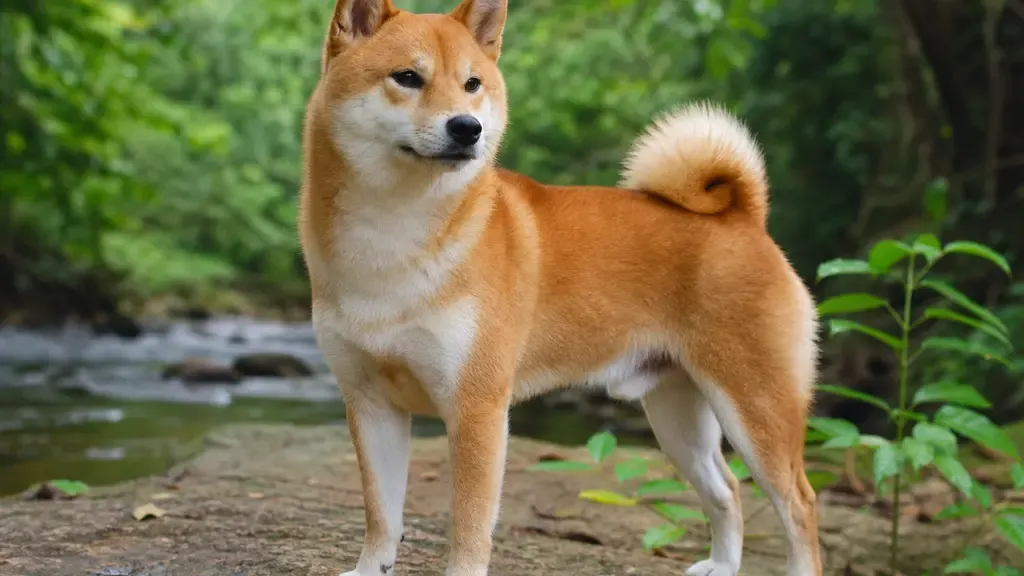
In 1924, Hachiko, a golden Akita, began waiting at Shibuya Station in Tokyo for his owner, Professor Hidesaburo Ueno, to return from work. Professor Ueno had died suddenly at the university that day and never came back. For the next nine years, nine months, and fifteen days, Hachiko returned to the station every single evening at the exact time the professor's train used to arrive. He waited through rain, snow, and the confusion of commuters who did not understand. When Hachiko himself died in 1935, still waiting, Japan mourned. A bronze statue was erected at the station. It stands there still.
This is not a fairy tale. It is not an exaggeration of canine devotion. It is an Akita being an Akita.
The breed's capacity for loyalty is staggering, and it is matched by an equally formidable independence. The Akita does not give its heart easily. It assesses, judges, and decides. But once the decision is made, it is made for life. Understanding this duality, the Akita's fierce selectivity paired with its absolute devotion to the chosen few, is the foundation of living with this breed.
Living With the Akita
Akitas are rare, but their majestic appearance and legendary loyalty attract admirers:
What works: Their quiet dignity: Akitas are not barkers. Their moderate exercise needs, surprising for a large breed. Their cleanliness and natural house-training instinct. Their devotion to family, an Akita will protect its people with its life. Their independence means they tolerate being alone better than velcro breeds.
What's challenging: Everything else about their temperament requires an experienced, committed owner. Akitas are powerful (35-55kg) guardian dogs with strong protective instincts. They can be aggressive toward strange dogs, especially of the same sex. They have high prey drive. They are not dogs you take to dog parks or off-leash beaches. They require extensive socialisation from puppyhood. They are not for first-time dog owners. And, the heat is a genuine welfare concern. This is a cold-climate breed. An Akita in the wrong home is not just unhappy. It is dangerous. This breed demands honesty about what you can provide.
Coat Care: The Northern Coat
The Akita's double coat is beautiful and protective, and it sheds with industrial efficiency:
- Thick double coat: Soft, dense undercoat with a straight, harsh outer coat. Designed for Japanese mountain winters.
- Shedding: Twice yearly "coat blows" of epic proportions, fur comes out in sheets. Daily brushing with an undercoat rake is mandatory during these 2-3 week periods. Outside shedding season, 2-3 times weekly brushing.
- Never shave: The coat insulates against cold AND heat. Shaving destroys the coat permanently and exposes skin to sun damage.
- Bathing: Every 8-12 weeks. The coat is naturally dirt-resistant. Over-bathing strips protective oils.
- Professional grooming: Highly recommended during shedding season, a high-velocity dryer removes loose undercoat far more effectively than brushing alone.
- Heat management: Air conditioning, cooling mats, restricted daytime exercise. The coat will naturally thin somewhat in warm climates, which is normal and healthy.
The Akita Mind
Training an Akita is not about obedience. It is about partnership:
- Akitas are highly intelligent but NOT biddable. They assess every command and decide whether to comply. This is not stubbornness. It is the independent judgment of a breed developed to hunt dangerous game without human direction.
- Respect is everything. An Akita that respects you will cooperate willingly. An Akita that does not will ignore you, and you cannot force a 45kg guardian dog to do anything it has decided not to do.
- Training must be calm, consistent, and fair. Anger, frustration, or harsh corrections destroy the respect that Akita training depends on.
- Socialisation from puppyhood is the single most important thing you will do. Expose the puppy to people of all ages, appearances, and behaviours; to other dogs (carefully, positively); to environments, sounds, and situations. A well-socialised Akita is a stable companion. An unsocialised Akita is a liability.
- The Akita's guardian instinct is hardwired. You cannot train it out. You manage it: secure fencing, controlled introductions to strangers, leash walking in public, and never leaving the dog unsupervised with visitors.
- Akitas often do best as the only dog in the household, or with one dog of the opposite sex. Same-sex aggression is common and can be severe.
The Akita and Children
Akitas can be wonderful with their own family's children, patient, protective, and gentle. But this comes with critical conditions:
- The dog must be raised with the children from puppyhood.
- Children must be taught to respect the dog, no climbing on, no taking food, no disturbing while resting.
- The Akita's guardian instinct may extend to protecting "their" children from visiting friends, roughhousing, screaming, and chasing can be misinterpreted as threats.
- Never leave any dog unsupervised with young children. With a 45kg guardian breed, this is not a suggestion. It is a requirement.
- An Akita that has not been raised with children should not be placed in a home with children.
Health
- Hip and Elbow Dysplasia: Common in large breeds. Ensure parents are OFA or equivalent tested. Maintain lean body condition throughout life.
- Bloat (GDV): Life-threatening gastric torsion. Feed two meals, not one. No exercise for one hour after eating. Know the symptoms: unproductive retching, distended abdomen, restlessness. Immediate veterinary attention is essential, minutes matter.
- Hypothyroidism: Underactive thyroid, manageable with daily medication.
- Progressive Retinal Atrophy (PRA): Inherited blindness. DNA test available.
- Sebaceous Adenitis (SA): Autoimmune skin condition causing hair loss and skin problems.
- Vogt-Koyanagi-Harada (VKH) Syndrome: Autoimmune condition affecting eyes and skin. Can cause blindness. Akitas are predisposed.
- Immune-Mediated Conditions: Akitas have a higher-than-average incidence of autoimmune disorders. Well-bred dogs from health-tested lines have lower risk.
Is an Akita Right for You?
An Akita is for an experienced dog owner who understands guardian breeds. Someone with space, a house with a securely fenced yard. Someone with the time and commitment to socialise extensively from puppyhood and maintain training throughout the dog's life. Someone who does not need a dog that loves everyone, who appreciates the Akita's selective devotion for what it is: a bond of extraordinary depth, given only to the worthy.
It is for someone who has read about Hachiko and understood that the story is not just touching. It is a portrait of what this breed is. An Akita will wait for you. It will protect your family. It will give you a loyalty that outlasts death itself. But it will not obey you simply because you asked. Respect is earned. And with an Akita, earning it is one of the most rewarding things you will ever do.