Skip to content

Asian Spitz-type (not FCI/AKC recognized) · South Korea

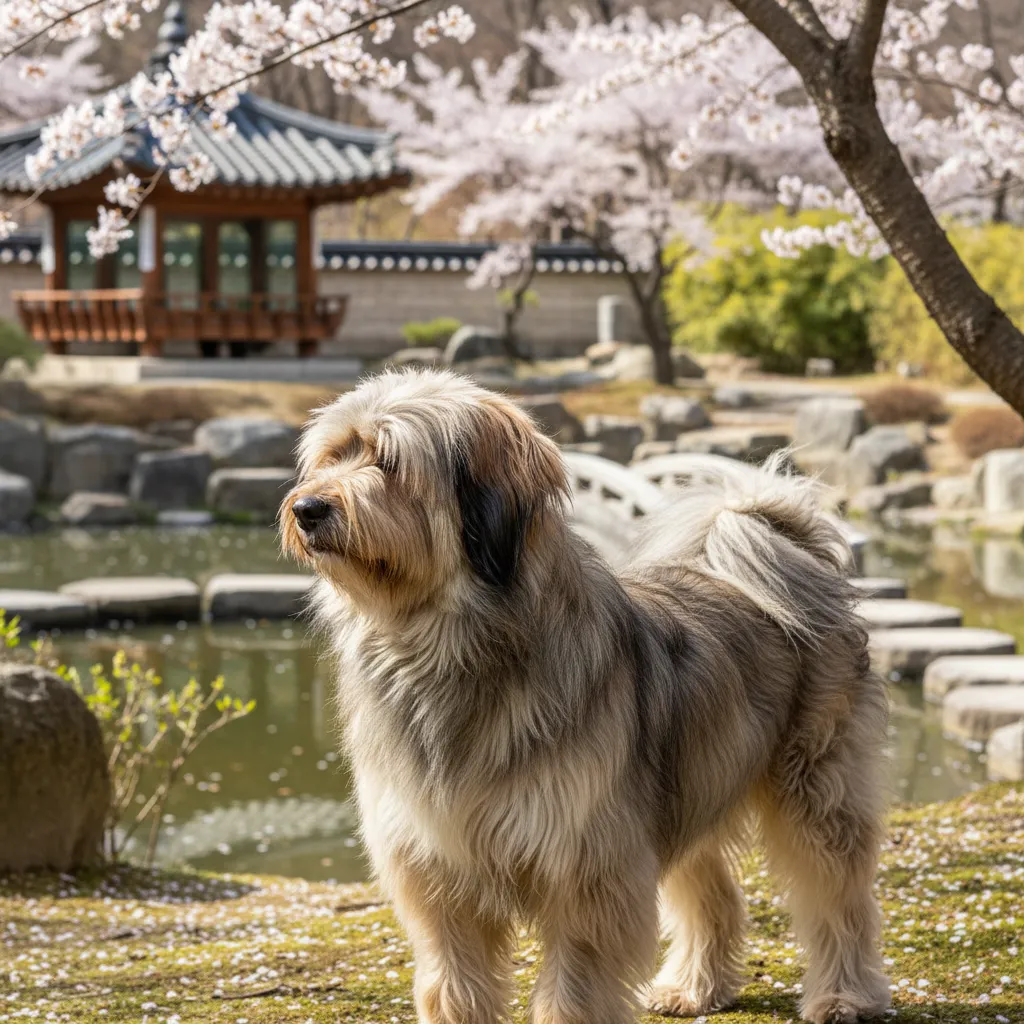
Sapsali

The Sapsali is a shaggy Korean companion dog bred to ward off evil spirits. Learn about this rare breed's care, temperament, and suitability for family homes.

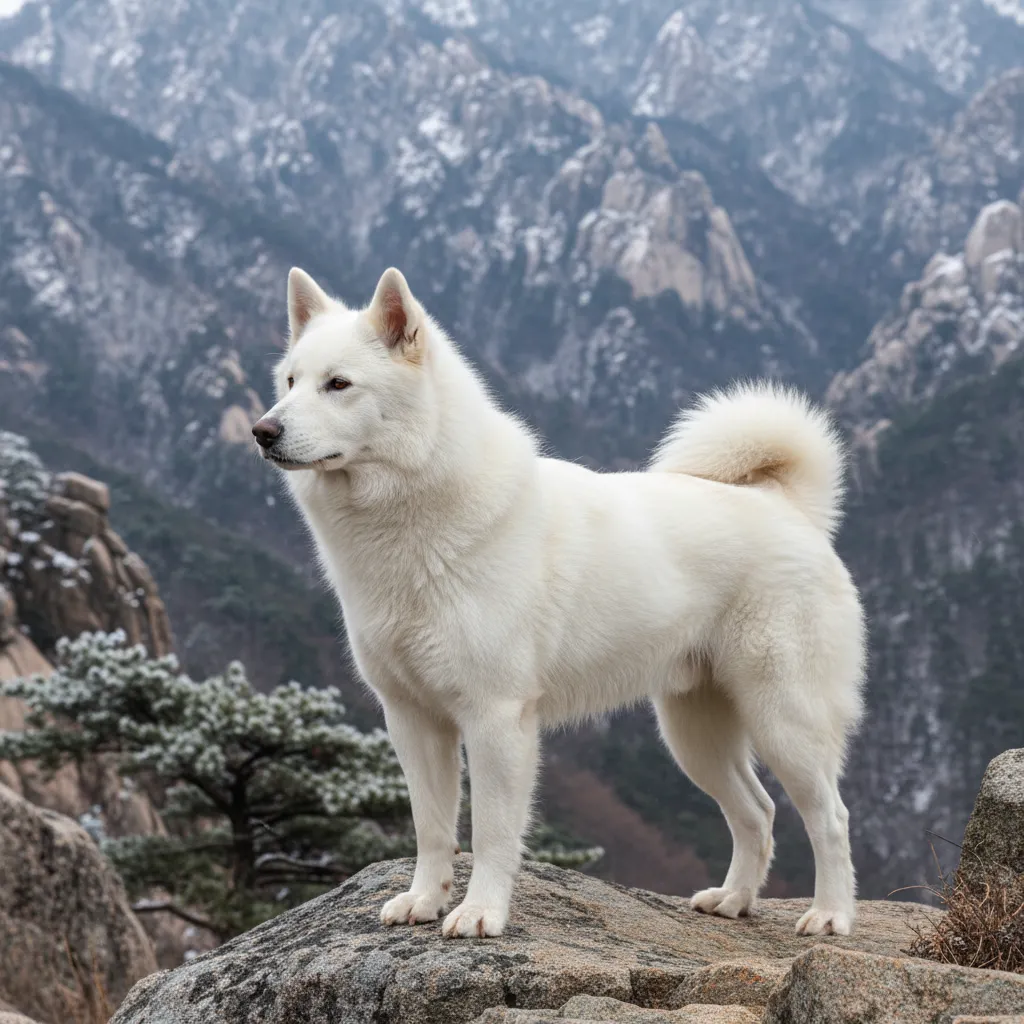
Sapsali, an illustrated specimen plate
Plate, Sapsali

The record

Size
Medium-Large
Height at shoulder
19-23 inches
Weight
18-25kg
Lifespan
12-14 years
Group
Asian Spitz-type (not FCI/AKC recognized)
Origin
South Korea
Period
Silla Kingdom, ~7th century or earlier
Bred for
Warding off evil spirits and guarding homes; considered an auspicious companion dog in Korean royal and noble households
Energy
Medium
Shedding
High
Trainability
Medium
Prey drive
Low
Pack drive
Medium
Protectiveness
Medium
Sociability
High
Independence
Low

A gentle, loyal, and people-oriented companion with moderate energy and a calm, affectionate nature, more of a cuddly guardian than a fierce protector.

TemperamentLoyalGentleAffectionateAlert

2 recorded ancestors stand behind this breed, nearest first. Open any one of them for what is known about it.

The account

The Sapsali very nearly ceased to exist, and the story of its recovery is the most interesting thing about it. The name comes from Korean words meaning to drive away misfortune, and for centuries the shaggy dog was kept in Korean households as a protector against bad luck and evil spirits rather than as a hunter or a guard. During the Japanese colonial period the population was devastated, the dogs were culled in very large numbers for their pelts, and by the mid-twentieth century only a handful remained.

What saved it was academic. Researchers at Kyungpook National University gathered the surviving dogs in the 1960s and 70s and ran a long, careful breeding programme to rebuild the population from a tiny founding base. It worked well enough that South Korea designated the Sapsali Natural Monument No. 368 in 1992. The breed today descends from that recovery effort, which means the gene pool is narrow and lineage records matter more here than for most breeds.

Temperamentally it is the outlier among Korean dogs. Where the Jindo and Pungsan are independent, one-person and hard-driven, the Sapsali is affectionate, people-oriented and comparatively soft, high social drive, low independence, moderate energy. It is loyal and alert enough to make a decent watchdog but has none of the defensive edge of the hunting spitzes, and it is generally good with children and other animals. Owners describe a dog that wants to be in the room with you, which is not a sentence you write about a Jindo.

The coat is the practical catch, and it is a large one in India. That long, thick double coat, the shaggy fall over the eyes is the breed's signature, requires several substantial grooming sessions a week and offers no protection against heat. A Sapsali in a plains summer needs air conditioning and a serious clip, and even then it is not a comfortable fit. Availability compounds it: the population is small, concentrated in Korea, and export is limited.
Questions people ask

Is the Sapsali available?
The Sapsali is extremely rare with no known breeders or imports. Acquiring one would require international adoption from South Korea, costing including transport and quarantine.
Can a Sapsali handle hot, humid summers?
The Sapsali has a dense, long double coat designed for Korean winters, making it poorly suited for hot and humid hot, humid summers. If kept, it must have air-conditioned living spaces.
What is the Sapsali's temperament like?
The Sapsali is a gentle, loyal, and affectionate companion dog with a calm demeanour. Unlike the Korean Jindo, it is more people-oriented and less independent.
How much grooming does a Sapsali need?
The Sapsali's long, shaggy coat requires brushing 3-4 times a week. In humid climate, the coat is prone to matting and skin infections, so professional grooming every 6-8 weeks is advisable.

Nearby in the register

Back to the plate