Skip to content

FCI Group 5 Section 5 (Asian Spitz and Related Breeds); AKC Miscellaneous Class · South Korea (Jindo Island)

Korean Jindo

The Korean Jindo is an ancient hunting dog renowned for unwavering loyalty and intelligence. Explore if this rare breed suits family homes and climate.

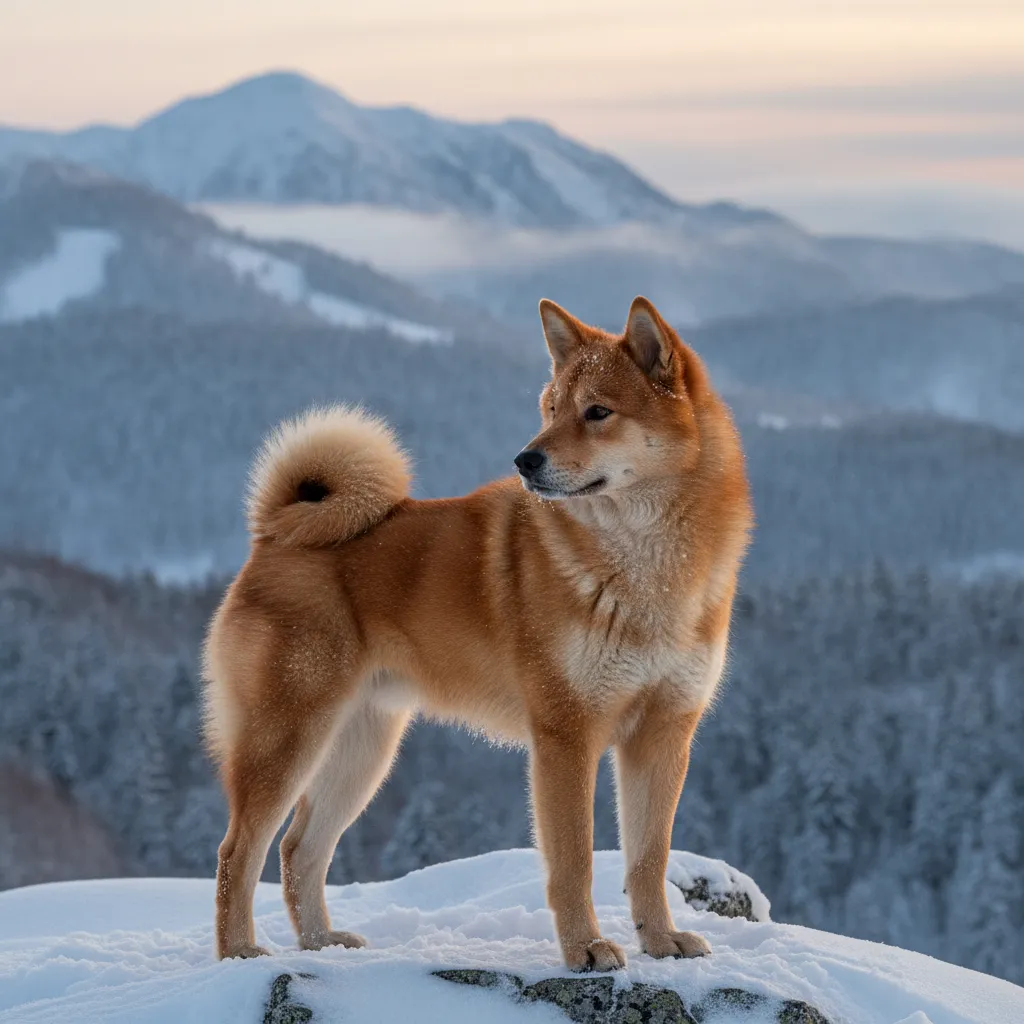
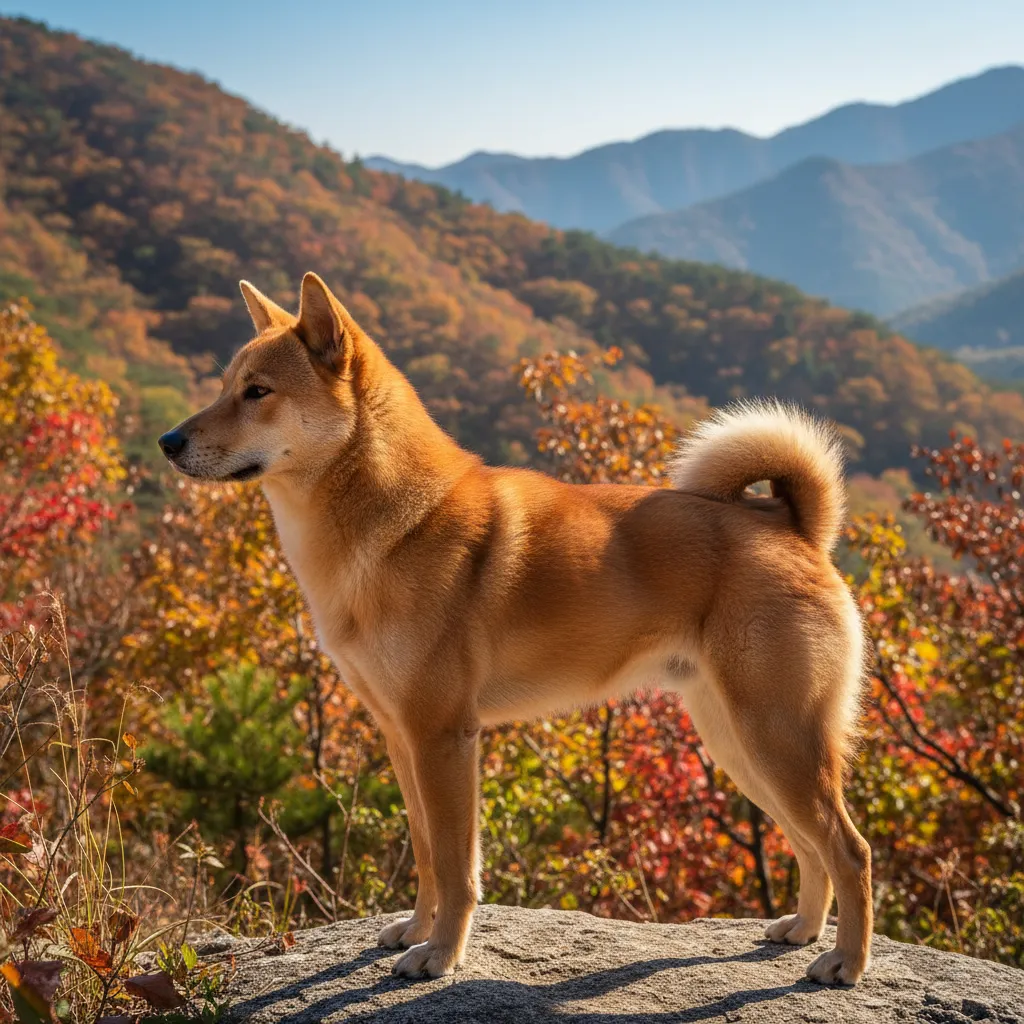
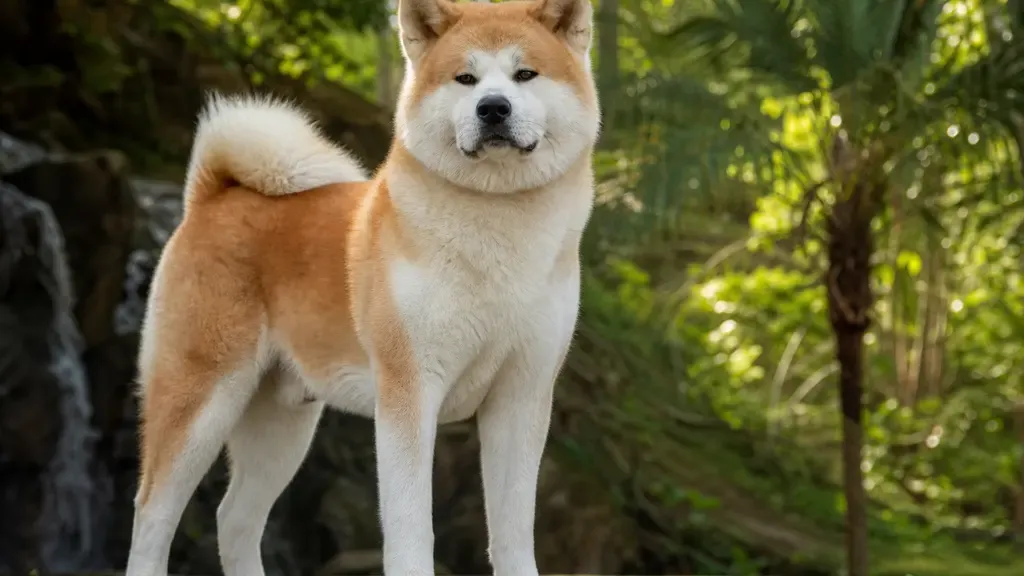
Korean Jindo, an illustrated specimen plate
Plate, Korean Jindo

The record

Size
Medium
Height at shoulder
18-22 inches
Weight
16-25kg
Lifespan
12-16 years
Group
FCI Group 5 Section 5 (Asian Spitz and Related Breeds); AKC Miscellaneous Class
Origin
South Korea (Jindo Island)
Period
Ancient (over 1000 years; designated Natural Monument #53 in 1962)
Bred for
Hunting small and large game (deer, boar); guarding homesteads
Energy
High
Shedding
High
Trainability
Medium
Prey drive
High
Pack drive
Medium
Protectiveness
High
Sociability
Medium
Independence
High

A fiercely loyal, intelligent, and vigilant one-person dog with exceptional hunting ability, devoted to family but aloof with strangers and demanding of experienced, confident handling.

TemperamentLoyalIntelligentVigilantIndependent

2 recorded ancestors stand behind this breed, nearest first. Open any one of them for what is known about it.

The account

The Jindo's reputation rests on a homing instinct that sounds apocryphal until you read the documented cases. The best known is Baekgu, a Jindo sold from the island to a buyer roughly three hundred kilometres away who returned to her original owner seven months later, thin and worn; there is a statue of her on Jindo. Similar returns have been recorded often enough that the trait is treated as characteristic rather than anecdotal, and it tells you something important about how absolutely this breed attaches.

It comes from Jindo Island off the southwest coast of Korea, isolated enough to keep the population distinct, and it was used for hunting, deer, boar and small game, often alone or in pairs, with hunters relying on dogs that could locate, pursue and hold quarry independently and then lead the hunter back. South Korea designated it Natural Monument No. 53 in 1962 and restricts export of registered dogs from the island, which is why the breed remains uncommon abroad despite its fame.

That independence is the whole story of owning one. Jindos are exceptionally clean, quiet, dignified and easy in the house, often described as the tidiest of dogs, house-training themselves in days. They are also escape artists of a high order, with a prey drive that makes cats and poultry unsafe, and same-sex dog aggression that appears in adolescence in many individuals. They bond to one person and merely tolerate the rest, and they do not obey out of eagerness. Training a Jindo means giving it reasons.

For Indian conditions the picture is mixed. The double coat is built for Korean winters and sheds enormously twice a year, and while the breed copes with warmth better than a Tibetan Mastiff or a Shikoku, a coastal Indian summer is still hard on it. Health is genuinely excellent, few inherited problems and a lifespan that regularly reaches fifteen. The barriers are export restrictions and the near-total absence of ethical breeders outside Korea.
Questions people ask

Can a Jindo live in apartment life?
Jindos are athletic, high-energy dogs that need secure outdoor space. They are notorious escape artists who can climb or dig under fences. Apartment living is not ideal unless you provide 90+ minutes of daily exercise.
How much does a Korean Jindo cost?
Korean Jindos are extremely rare with no established local breeders. Imported puppies would is expensive. Monthly maintenance is limited.
Are Jindos good with other pets?
Jindos have a very high prey drive and are generally not safe with small animals like cats or rabbits. Even early socialization may not override their strong hunting instincts.
Is the Jindo a one-person dog?
Yes, the Jindo famously bonds intensely with one primary owner and can be aloof or even suspicious of others. In joint families, the Jindo may accept but not truly bond with extended members.

Nearby in the register

Back to the plate