The account
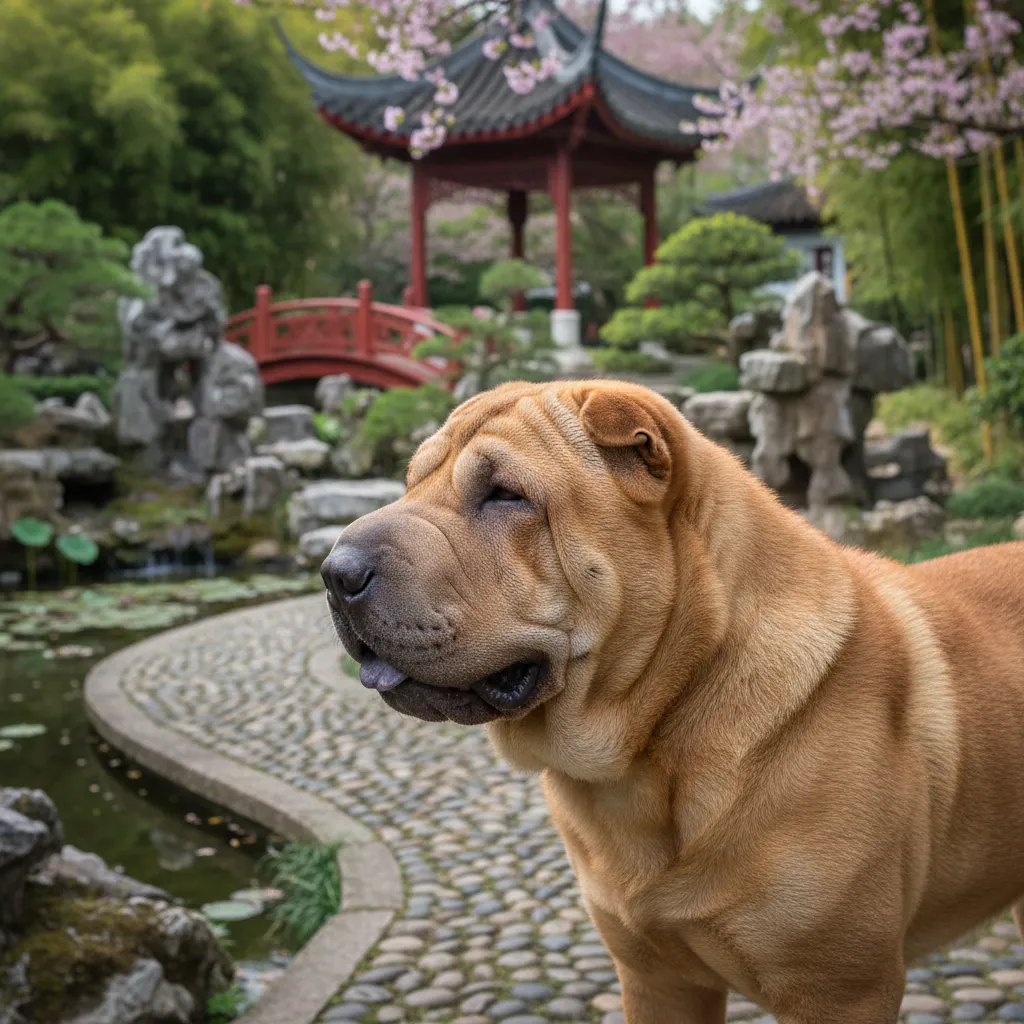
The wrinkles that sell this breed are also its central medical problem, and the link is now well understood. The loose folded skin is caused by an overproduction of hyaluronic acid traced to a duplication near the HAS2 gene, and the same mutation is implicated in Familial Shar-Pei Fever, episodes of fever and joint swelling that can progress to renal amyloidosis and kill the dog. Anyone considering the breed should start from that fact rather than arrive at it later.
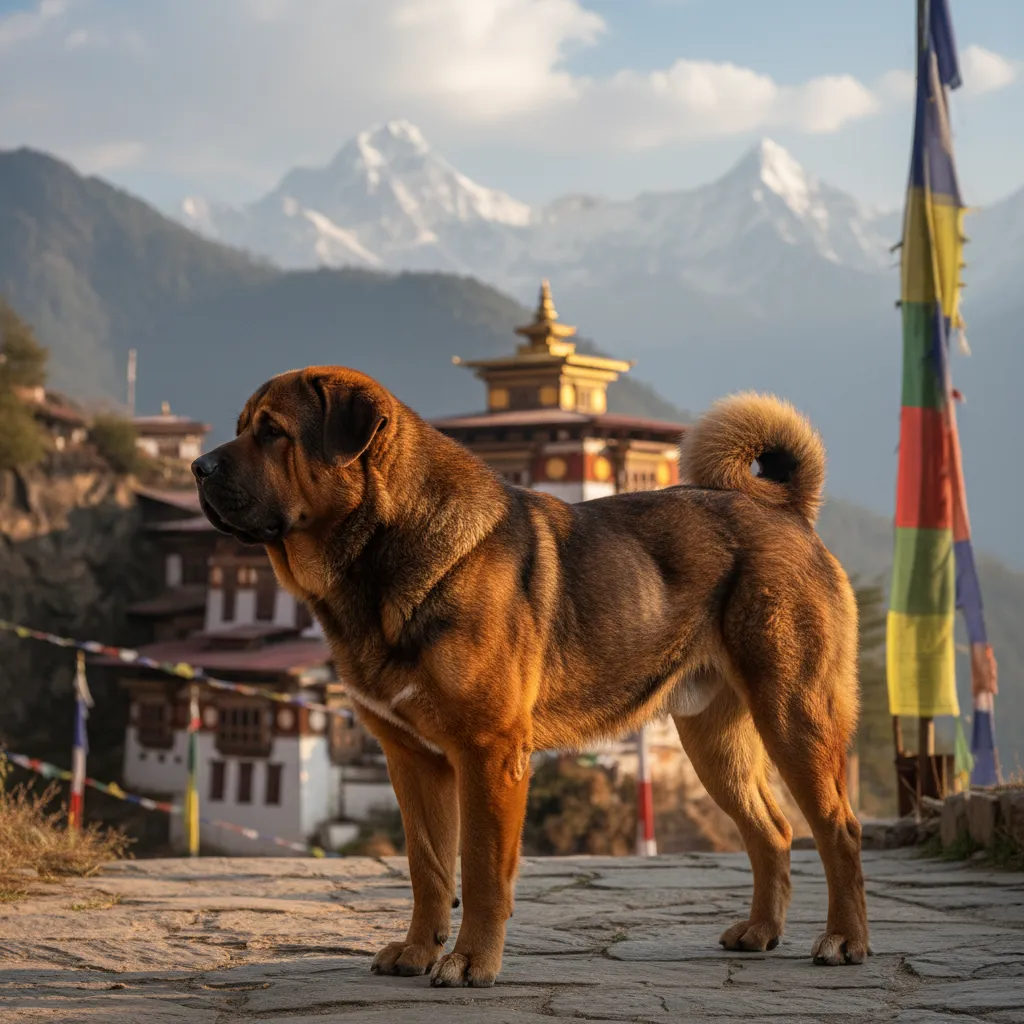
The Shar-Pei's own history is nearly as extreme. It comes from Guangdong province, where it worked as a farm dog, hunter and fighting dog, and by the 1970s it had been reduced to a handful of animals, plausibly the rarest breed in the world at that point. A public appeal by a Hong Kong breeder brought dogs to the United States and the population was rebuilt from a very small founder base. That bottleneck is why the inherited disease load is heavy, and why the heavily padded "meatmouth" western dog looks so different from the flatter-muzzled traditional bonemouth type still found in China.
The temperament is often the surprise. Shar-Pei are calm, quiet, notably clean and low-energy indoors, none of the restless intensity of the primitive hunting breeds. They are also stubborn, dominant, strongly territorial and reserved to the point of unfriendliness with strangers, and same-sex dog aggression is common. The small deep-set eyes limit peripheral vision, which contributes to a startle response people misread as aggression. Early socialisation is essential and training requires patience with a dog that genuinely does not care about pleasing you.
In a hot, humid Indian climate this breed needs active daily management. The folds trap moisture and produce skin infections that become chronic if neglected. They must be dried thoroughly after every bath and checked routinely. The tight ear canals do the same thing and make otitis near-universal without care. Add entropion, which frequently needs surgical correction, hip dysplasia and hypothyroidism, and this is a high-maintenance dog medically even though it is undemanding behaviourally. A vet who knows the breed is not optional.