The account
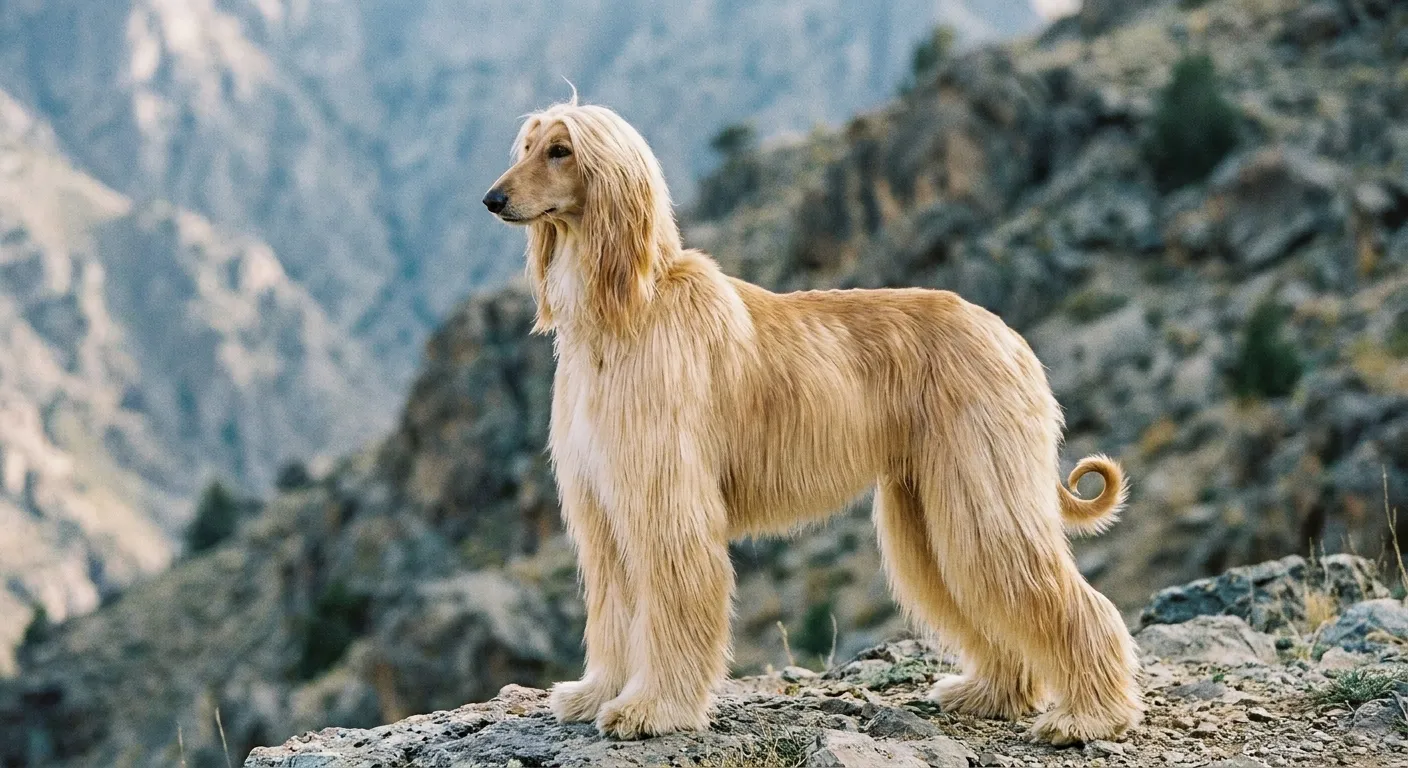
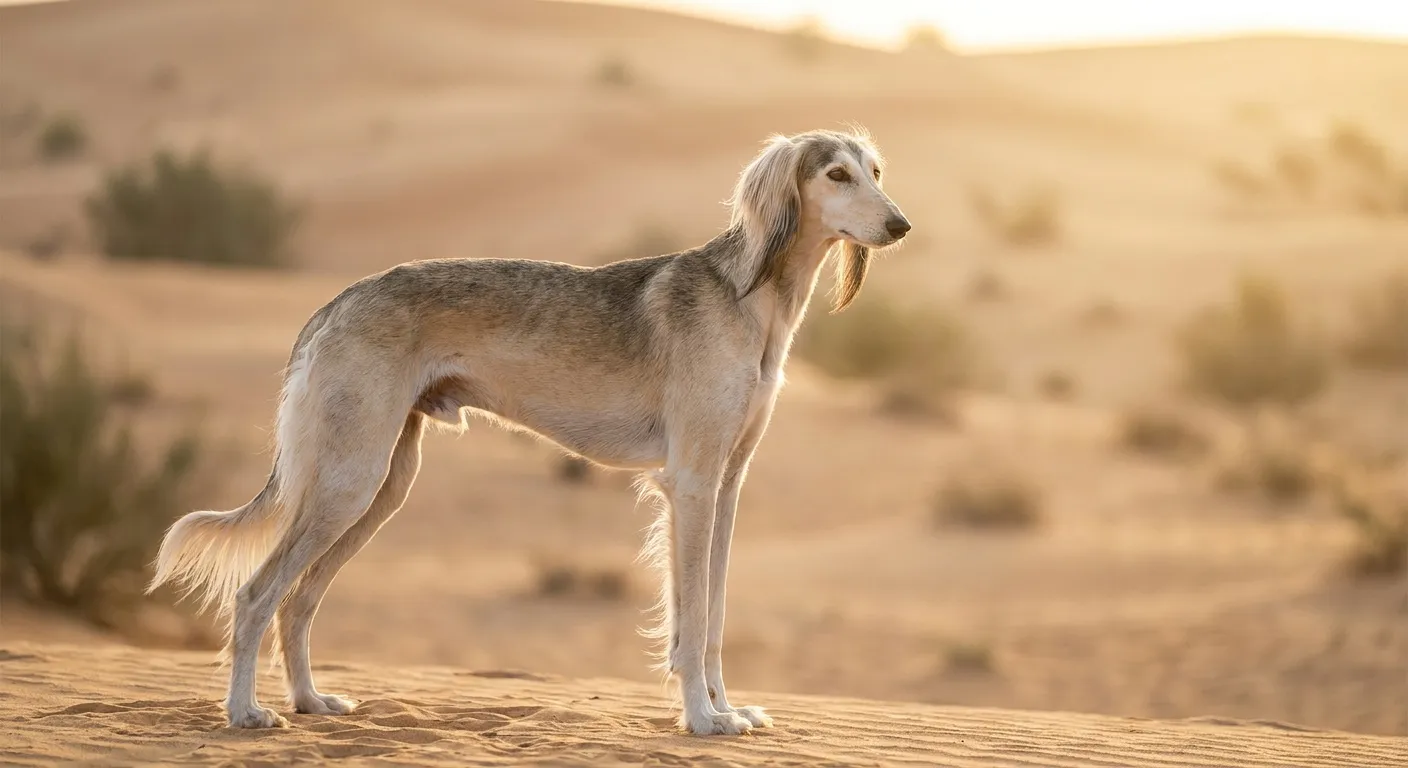
The Saluki is not a dog that performs for you. It is affectionate on its own terms, tolerant of household life, and entirely uninterested in proving anything, a temperament that reads as coldness to owners expecting a retriever and as dignity to those who know the breed.
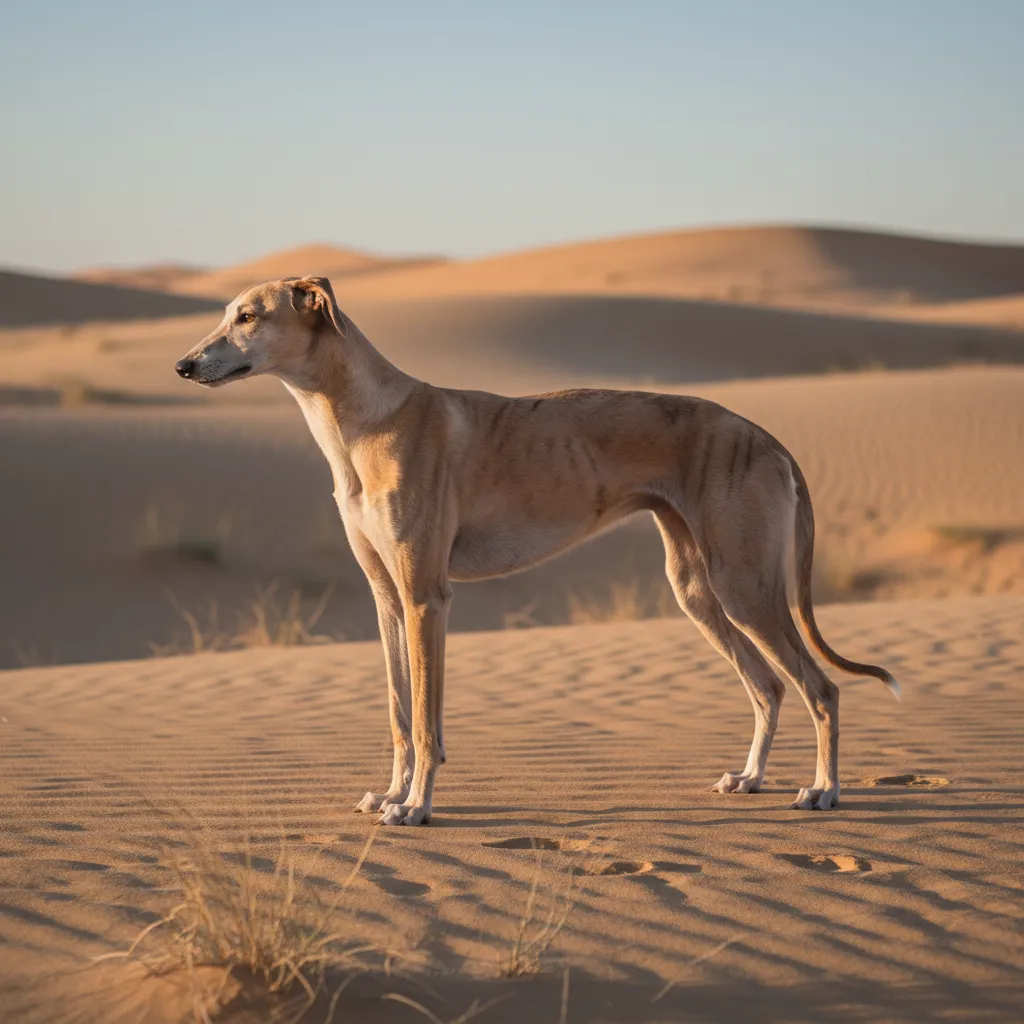
Bedouin tribes kept Salukis for thousands of years as hunting partners rather than as property. The dogs slept in the tent, travelled with the family, and were given rather than sold. That history shows in the modern dog: a Saluki bonds closely to its people, dislikes being kennelled or left in a yard, and is genuinely miserable in isolation.
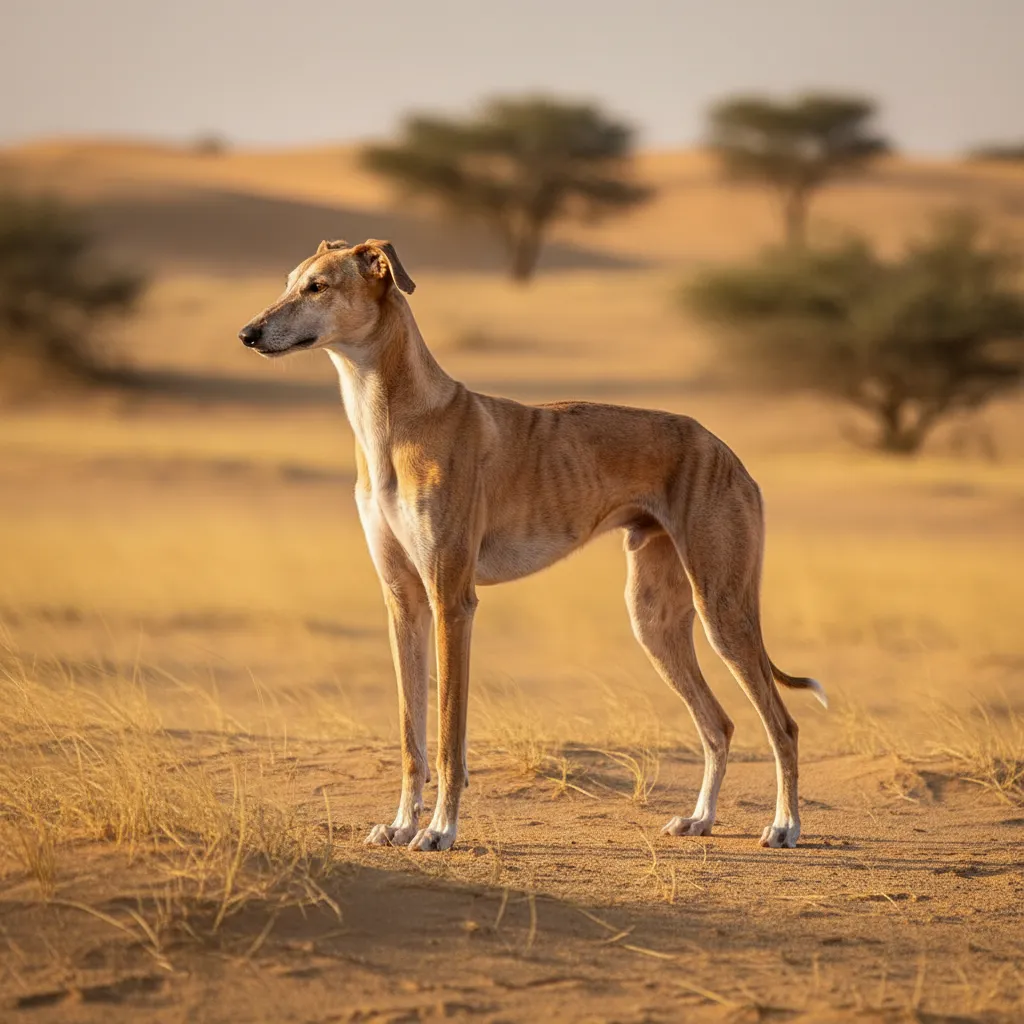
What it needs is space to run. A Saluki given one hard gallop in a secure area several times a week is calm indoors for the rest of the day. A Saluki given only lead walks is not. The breed's structure, deep chest, long legs, minimal body fat, is built for sustained speed over open ground, and no amount of neighbourhood walking substitutes.
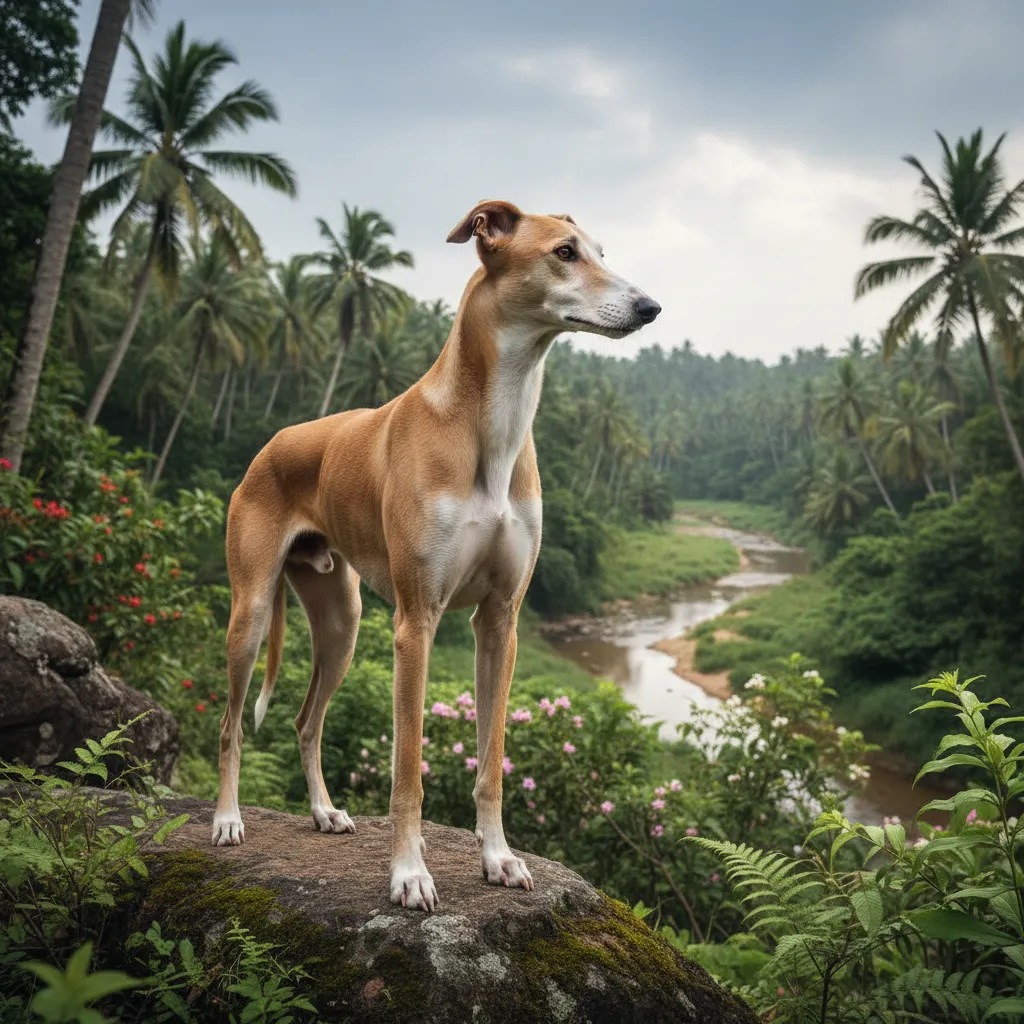
The traits that make them superb in Indian heat also make them fragile in ways owners of sturdier breeds do not anticipate. There is almost no fat padding over the bones, so hard floors cause pressure sores and thin skin tears easily on scrub and fencing. Like all sighthounds they metabolise anaesthetic drugs differently, and any vet operating on one should be told in advance.