Skip to content

FCI Group 10 (Sighthounds) / AKC Hound Group · Afghanistan (mountains and northern plains)

Afghan Hound

The Afghan Hound is an ancient mountain sighthound with a spectacular silky coat and a famously independent mind. Aloof, athletic, and grooming-intensive, complete care guide for owners.

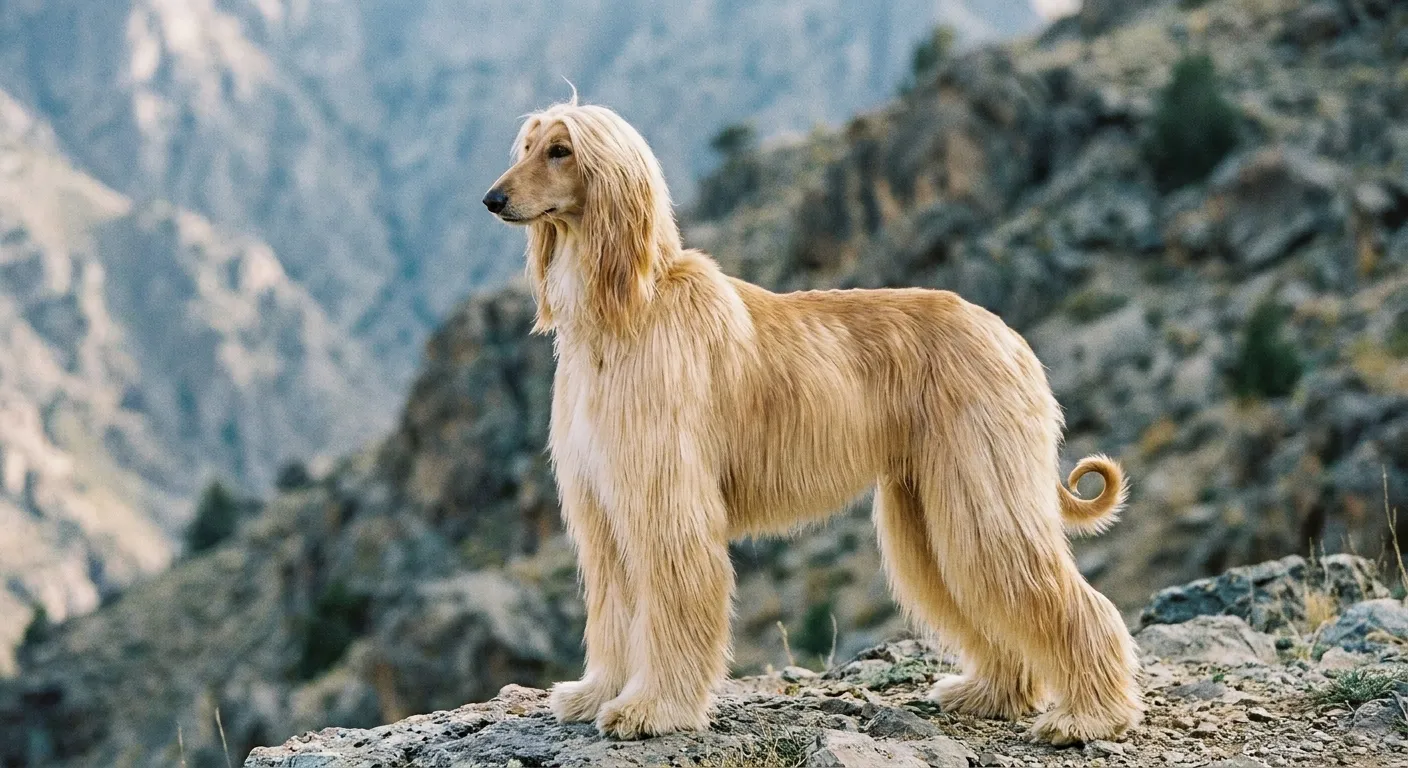
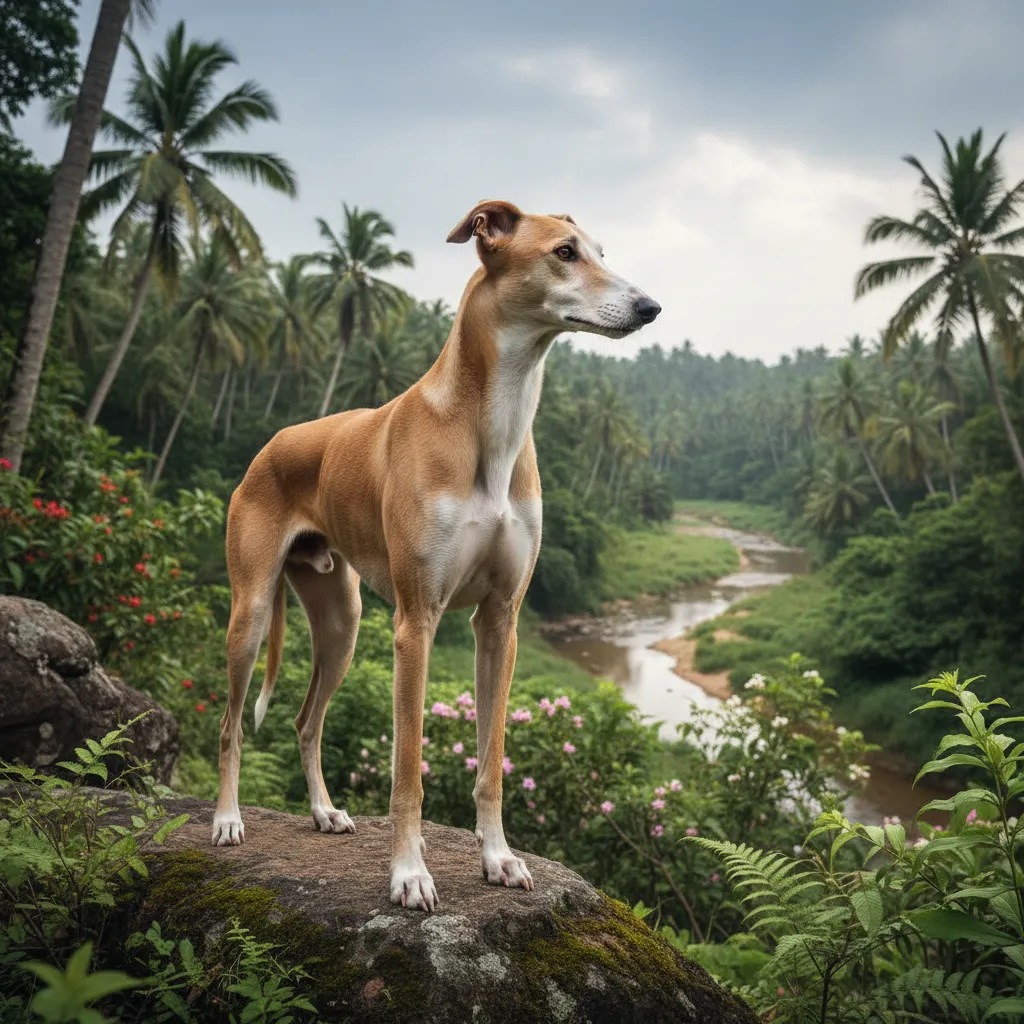
Afghan Hound, an illustrated specimen plate
Plate, Afghan Hound

The record

Size
Large
Height at shoulder
25-27 inches
Weight
23-27kg
Lifespan
12-14 years
Group
FCI Group 10 (Sighthounds) / AKC Hound Group
Origin
Afghanistan (mountains and northern plains)
Period
Ancient, thousands of years, formalised in the West from the 1920s
Bred for
Coursing gazelle, hare, wolf and snow leopard across mountain terrain
Energy
High
Shedding
Low
Trainability
Low
Prey drive
High
Pack drive
Low
Protectiveness
Low
Sociability
Medium
Independence
High

An aloof and self-possessed sighthound with a surprising streak of clownishness at home. Independent to the core, the Afghan Hound decides for itself whether a request is worth honouring and needs an owner who finds that funny rather than frustrating.

TemperamentAloofDignifiedIndependentComical

1 recorded ancestor stand behind this breed, nearest first. Open any one of them for what is known about it.

The account

The Afghan Hound is the sighthound that went to the mountains. Where the Saluki and the Sloughi ran flat desert, the Afghan worked broken rock and steep ground, and its build reflects that: enormous hip articulation, large flat feet for grip, and prominent hip bones that look like poor condition to the uninitiated but are simply correct.

The coat is the reason most people notice the breed and the reason most people should not own it. In its homeland it kept the dog alive through freezing mountain nights. In a Mumbai flat it is a daily commitment measured in hours, and neglecting it produces painful pelt-like matting that has to be shaved off. Clipping the coat is common among pet owners and entirely reasonable, but it changes the dog into something quite different from what the breed is famous for.

Temperament is the other thing owners get wrong. Afghans have a reputation for aloofness that is accurate in public and misleading at home, where many are ridiculous, spinning, bouncing, stealing things and running victory laps with them. What they are not is obedient. They were bred to work far ahead of a hunter on foot, making independent decisions about terrain and prey, and that wiring has not softened.

For Indian owners the honest constraint is climate. This is a cold-weather breed in a warm country. It can be done well in Delhi winters, in the hills, or in a properly cooled home, but a coated Afghan Hound in an unairconditioned plains summer is a welfare problem, not a style choice.
Questions people ask

How much grooming does an Afghan Hound really need?
More than almost any other breed. The silky coat mats within days without attention, so plan on two to four hours of brushing a week plus regular bathing. Owners who cannot commit to this should choose a different breed rather than clip the coat short.
Can an Afghan Hound cope with Indian heat?
Less well than people assume. The long coat evolved for cold mountain nights in Afghanistan, not for plains summers. They manage in northern winters and hill stations but need air conditioning, shade and early-morning exercise through most of an Indian summer.
Are Afghan Hounds trainable?
They are intelligent but genuinely independent, and they were bred to hunt out of sight of the handler and make their own decisions. Expect slow, negotiated obedience rather than eager compliance. Harsh methods produce a dog that simply disengages.
Are Afghan Hounds available in India?
They are rare. A small number of breeders operate in metros and there is limited show-line presence, but availability is inconsistent and quality varies widely. Verify hip screening and coat condition in the parents before committing.
Do Afghan Hounds get along with children and pets?
They are tolerant but reserved, and they dislike rough handling, better suited to calm older children. High prey drive makes cats and small pets a real risk.

Nearby in the register

Back to the plate