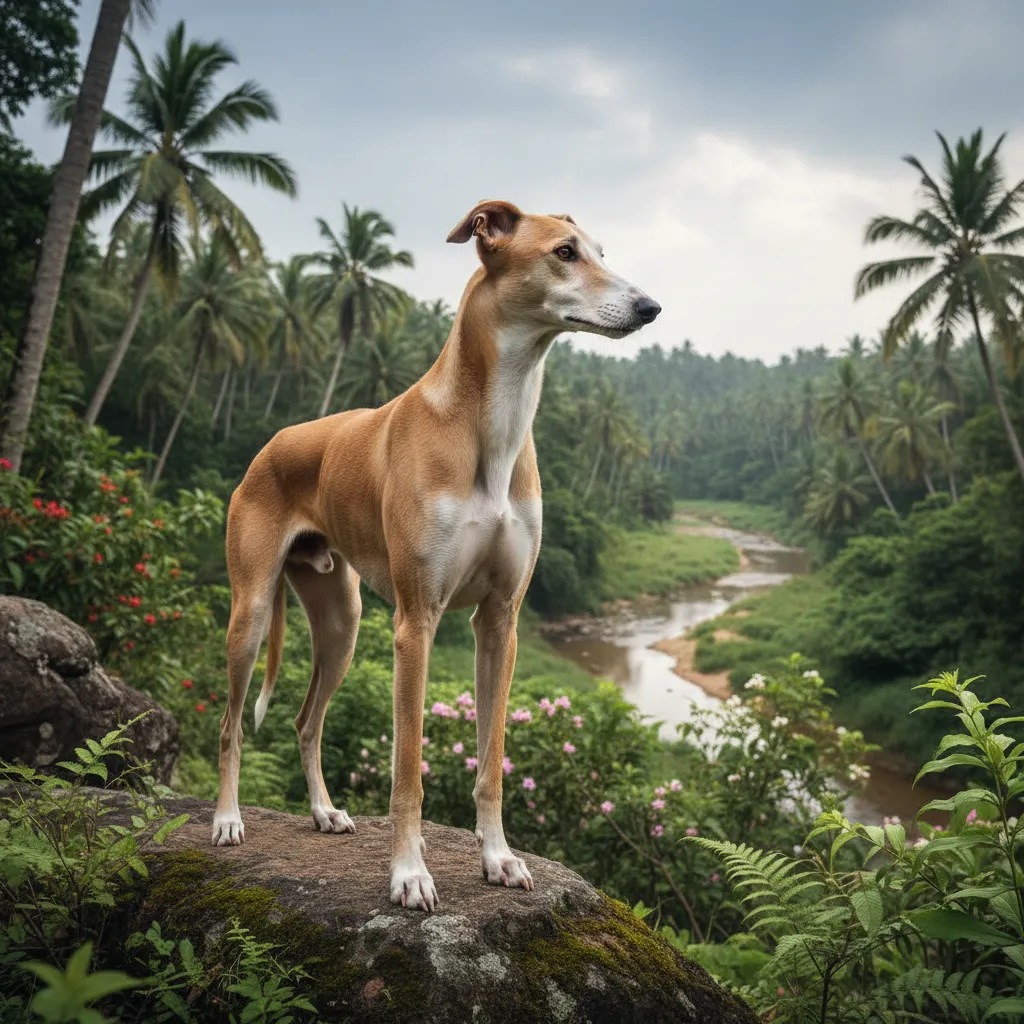
The account
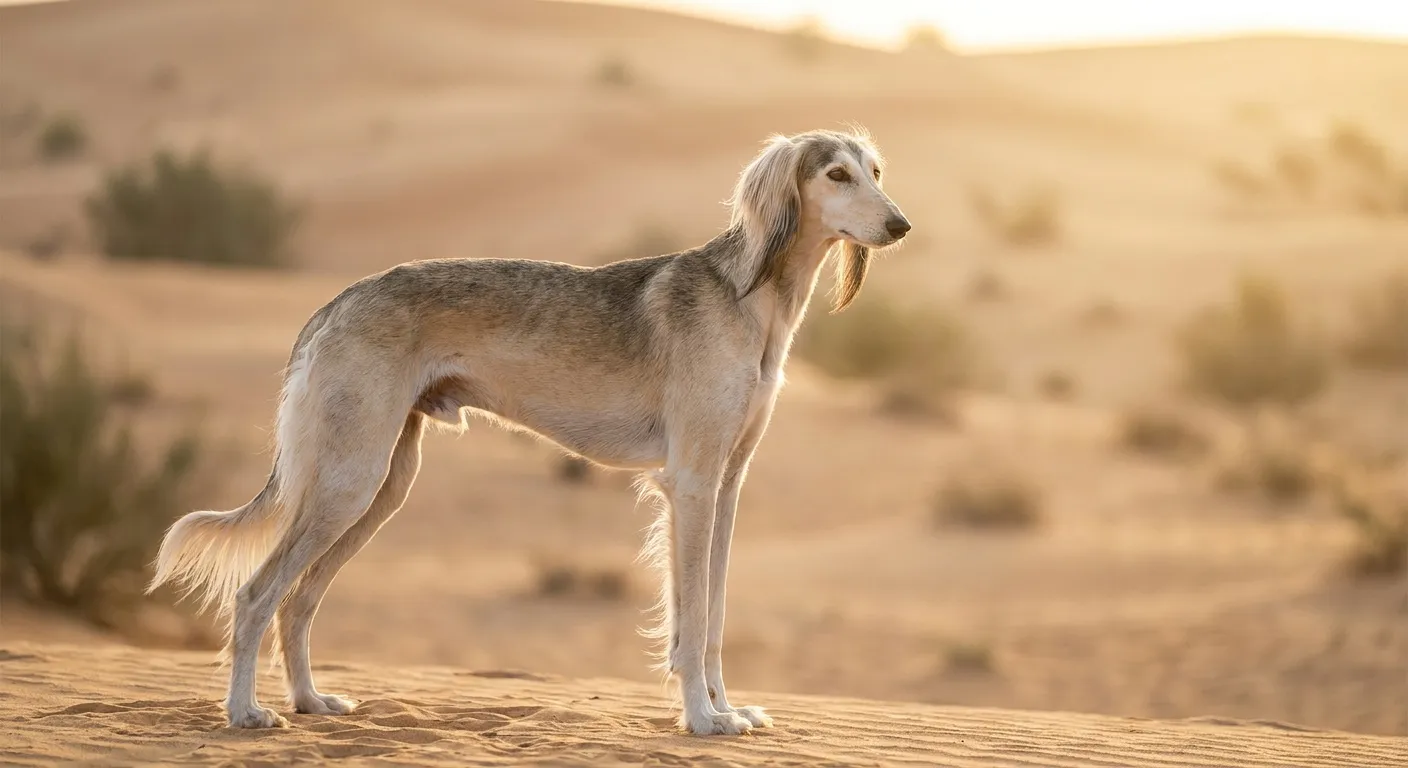
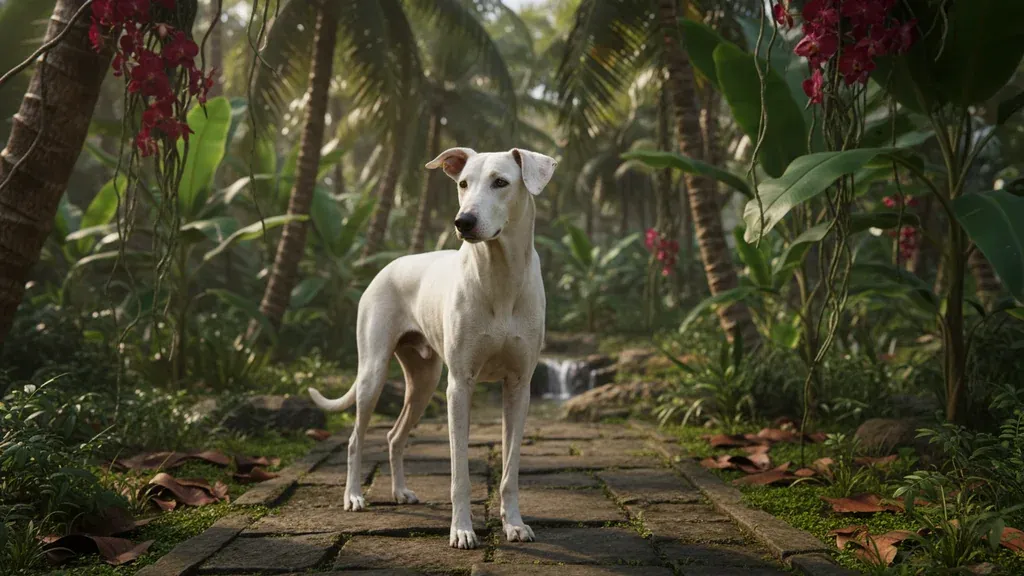
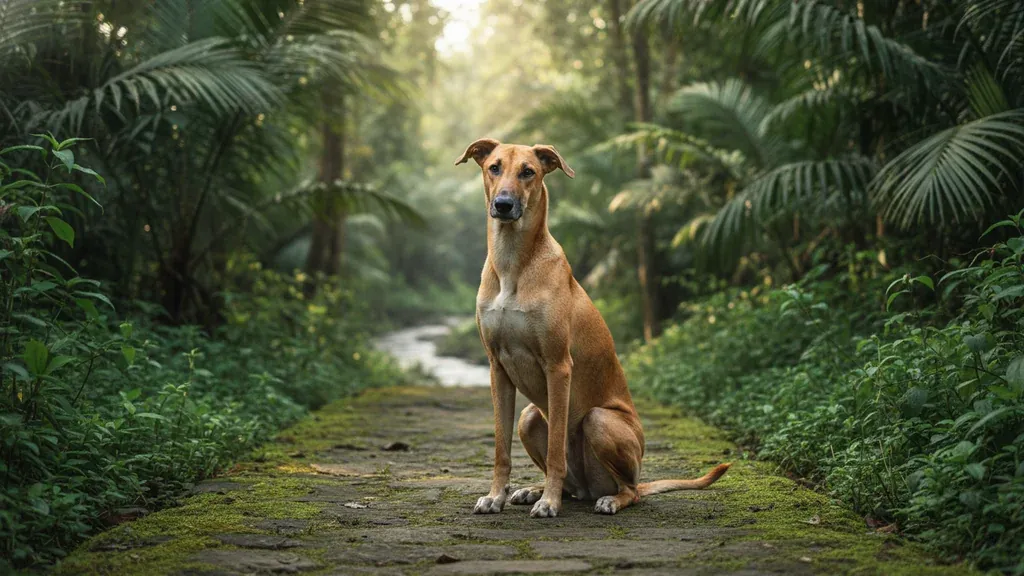
Tazi is one of the oldest working words for a dog. It runs from Anatolia through Persia and Central Asia into the Indian subcontinent, and in every language that borrowed it, it means the same thing, a lean, fast hound that hunts by sight. The dogs recorded under the name in Kerala and South India belong to that family, and their presence there is a marker of how far along the old routes the type travelled.
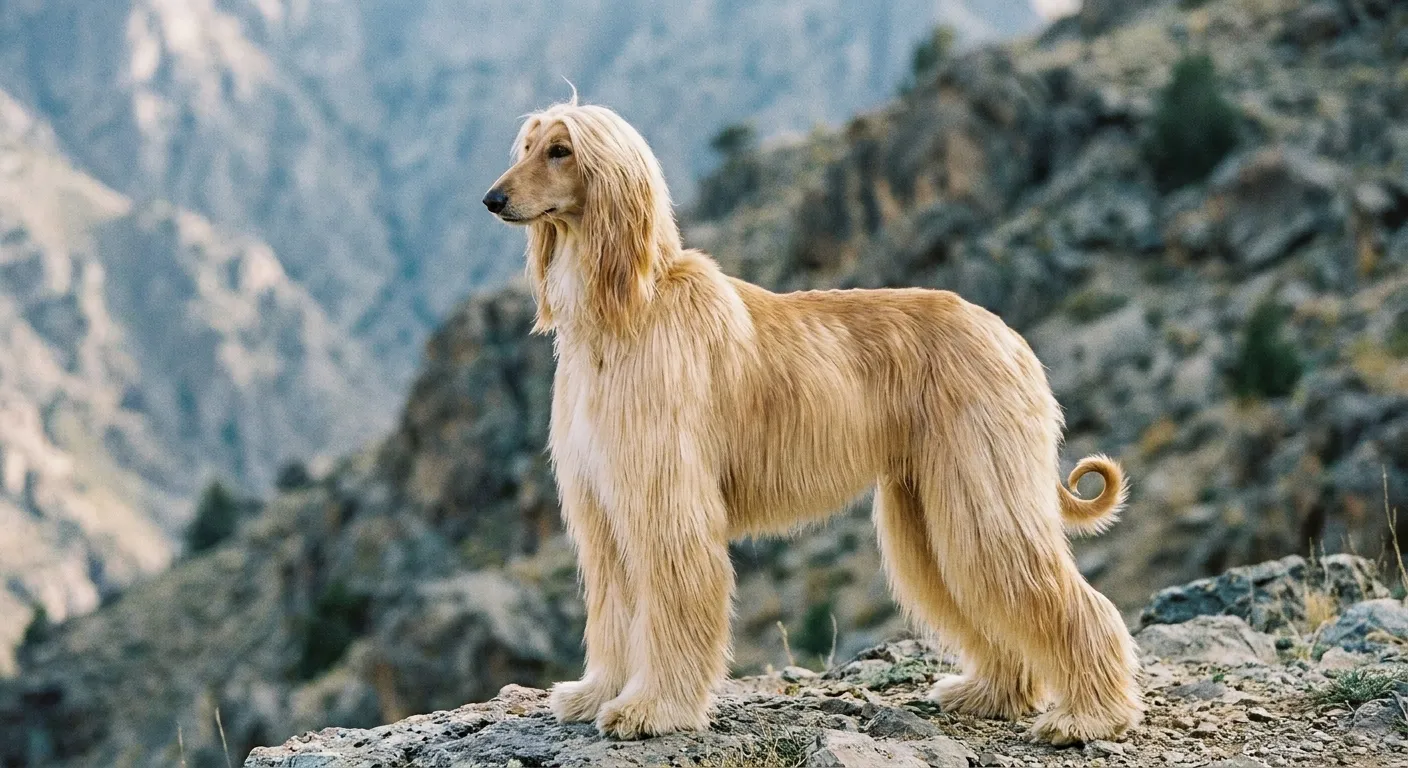
Physically the South Indian Tazi is a smaller, lighter animal than the Central Asian dogs that share the name, and a plainer one than the Afghan Hound at the other end of the family. The coat is short and close, the frame is narrow, and the outline is built for acceleration across open, dry ground. That specification has not changed in three thousand years because the problem it solves has not changed: catch something faster than you across country that offers no cover.
Living with one is a study in how little a sighthound asks and how absolutely it asks it. A Tazi is quiet indoors, clean, undemanding of attention, and largely uninterested in strangers, and then requires one hard, unrestricted run several times a week or it will not settle at all. The prey drive is not manageable by training. Cats, poultry and small dogs are at genuine risk, secure fencing is a requirement rather than a precaution, and off-lead work in open country is not something these dogs can be trusted with regardless of how well they know you.
For Indian owners the climate fit is close to perfect and the availability is close to hopeless. There is no breed club, no standard and no verifiable population, and the same name is used for at least three related but separate groups of dogs across Asia. If the type appeals, the accessible version of it in India is the Mudhol Hound, which is the same physiology with an actual breeder base, an army breeding programme, and a chance of getting the dog you thought you were buying.