The account
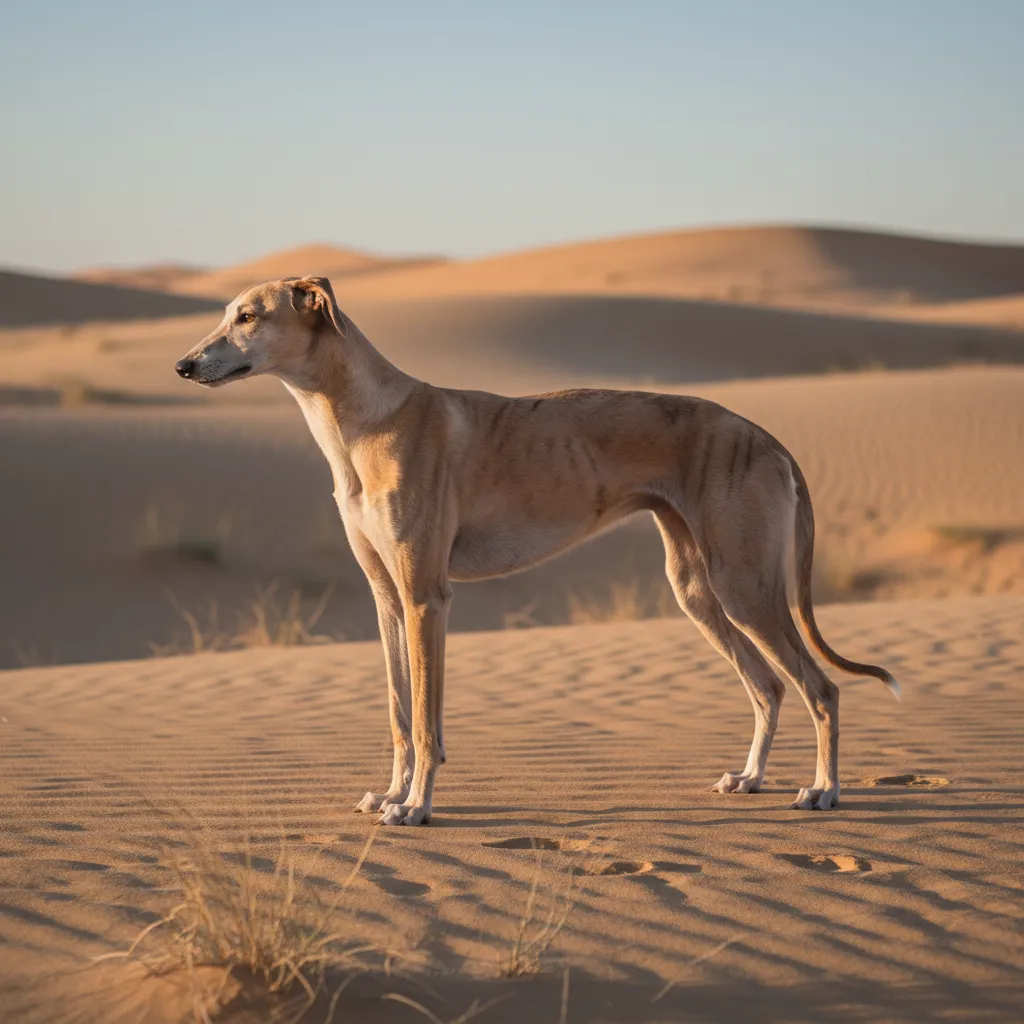
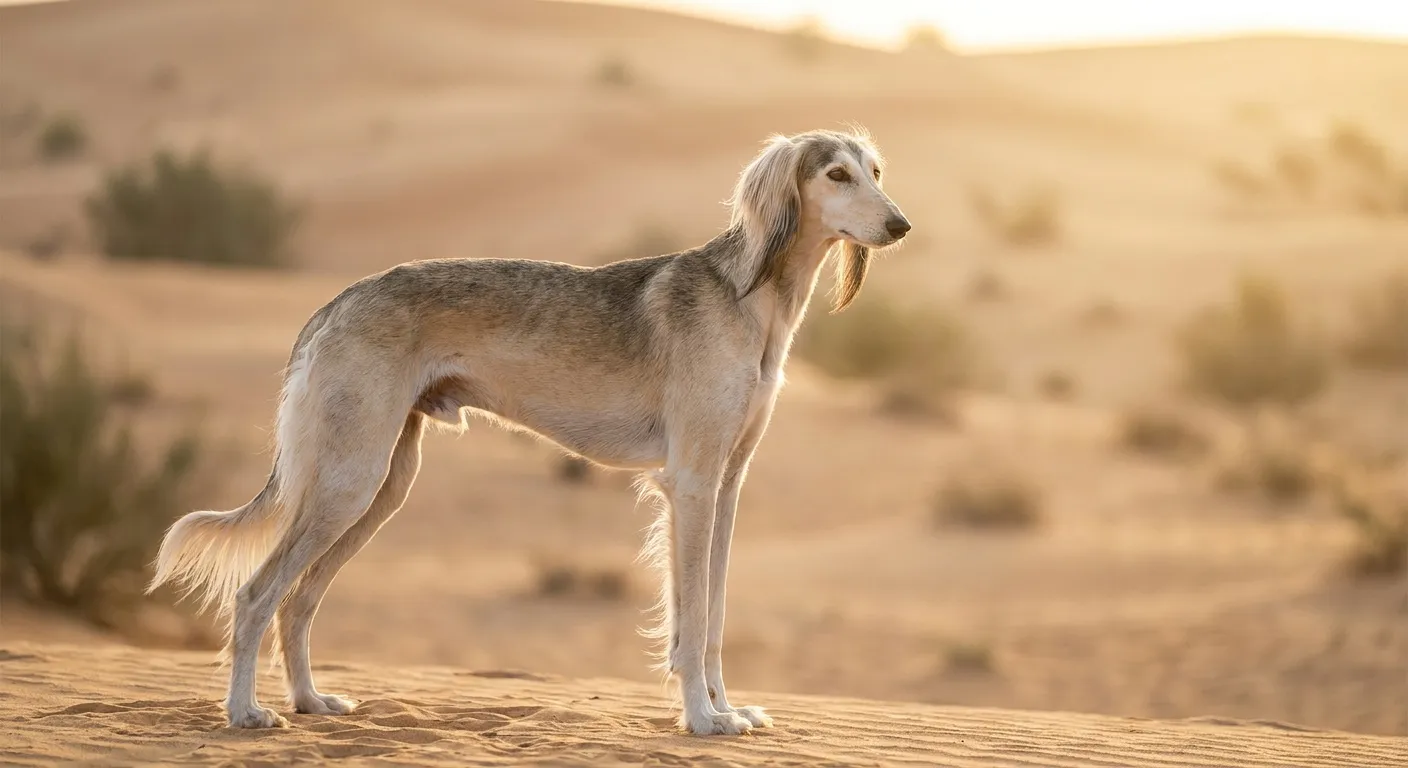
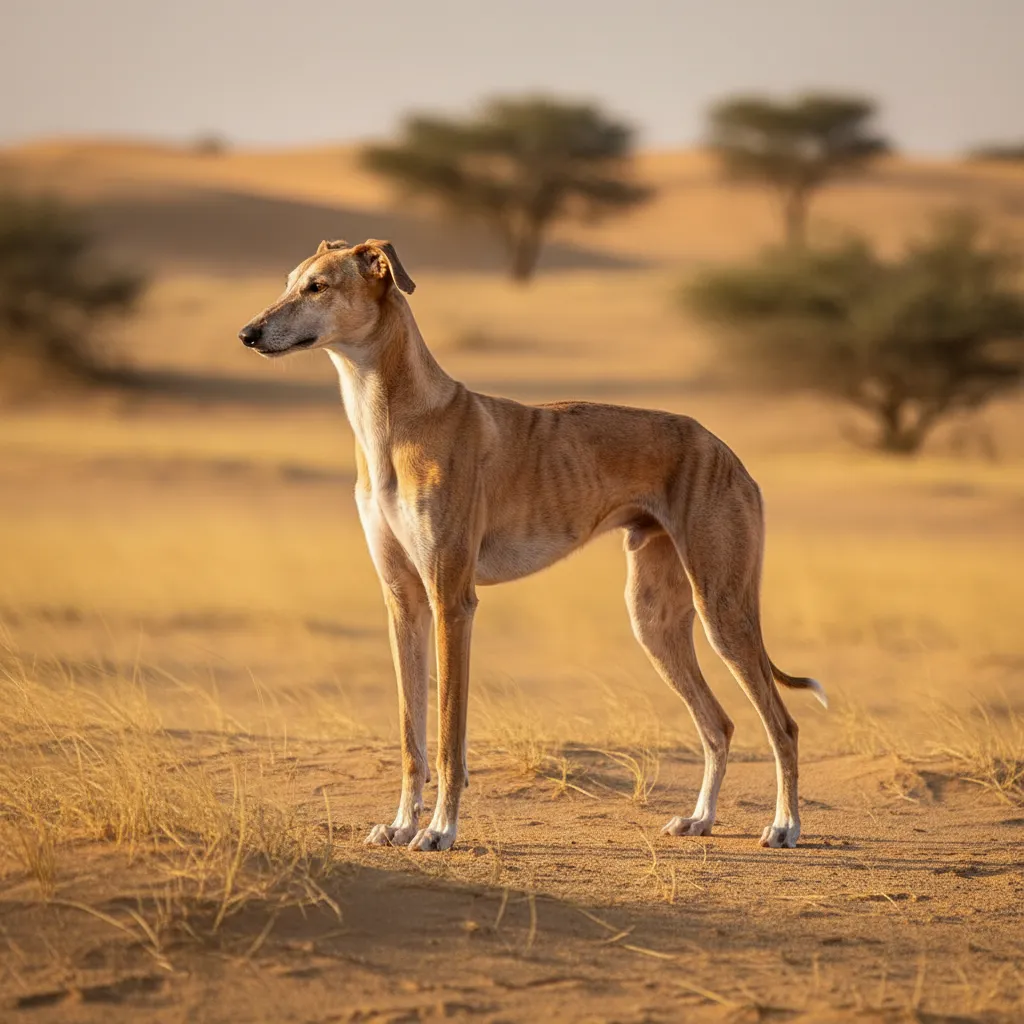
The Azawakh looks wrong to people who have not seen one before. Hip bones, spine and the last few ribs are visible on a fit, well-fed dog, and the standard actually calls for it. This is a sighthound bred in the Sahel, where fat is dead weight and heat dissipation is everything. Vets unfamiliar with the breed have been known to accuse owners of starving a healthy animal. The frame is also unusually vertical: taller than it is long, with extreme leg length relative to body, which is not how European sighthounds are built.
The Tuareg and neighbouring peoples of Mali, Niger and Burkina Faso bred it for two jobs at once, and that is what separates the Azawakh from the rest of its group. It coursed gazelle and hare, and it guarded the camp. Sighthounds are not usually guardians, the Saluki and Sloughi are not, but the Azawakh slept among the tents and was expected to raise the alarm and act on it. The result is a coursing dog with a genuine defensive drive.
That combination defines what living with one is like. Azawakhs bond intensely and narrowly, are ferociously loyal within that circle, and are aloof to the point of hostility outside it. They dislike being handled by strangers, they do not forgive rough treatment, and they are among the most emotionally sensitive breeds in existence, a harsh correction can set a dog back for weeks. Early, patient, extensive socialisation is not optional here; it is what determines whether the adult dog is manageable in public.
For Indian conditions, dry heat is where this breed excels and humidity is where it does not, a Sahelian dog handles Rajasthan far better than it handles the coastal monsoon. The health record is generally clean, though seizures and hypothyroidism appear in some lines and sighthound anaesthetic sensitivity applies as it does across the group. Availability is the real barrier: no Indian breeder base, import from Europe or West Africa, and a temperament that punishes inexperienced ownership.