Skip to content

Sighthound · India (Maharashtra)

Mahratta Greyhound

The Mahratta Greyhound is a rare sighthound from Maharashtra, swift, keen, and possibly linked to the Maratha Empire's hunting legacy. Complete care guide for this rare Indian breed.

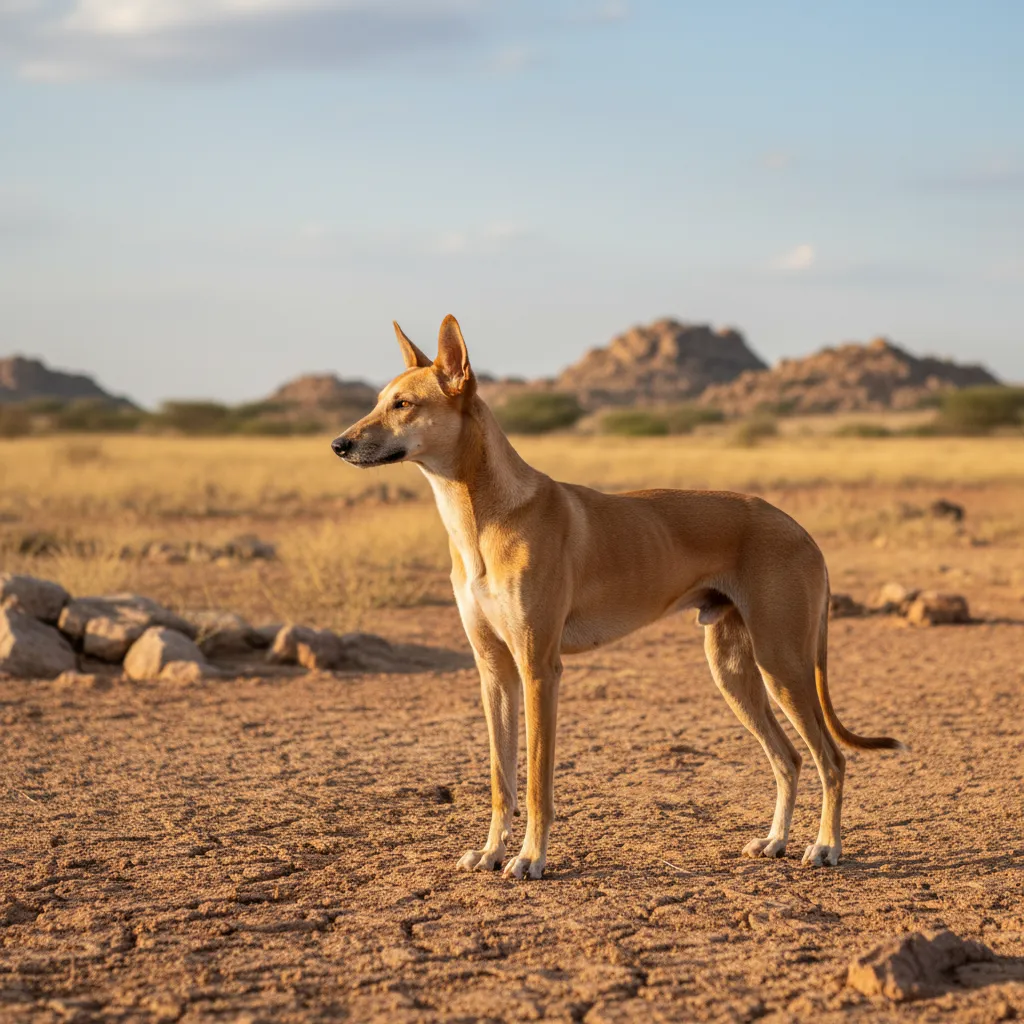
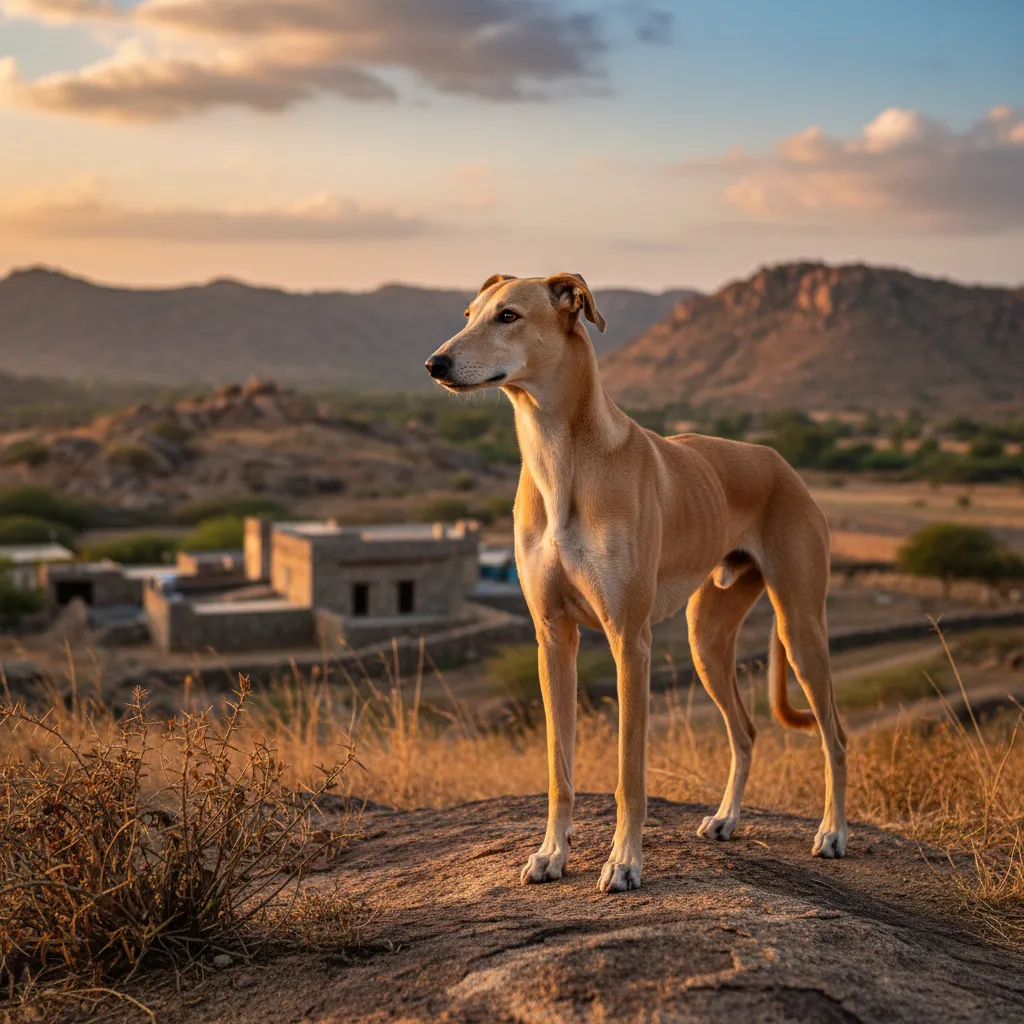
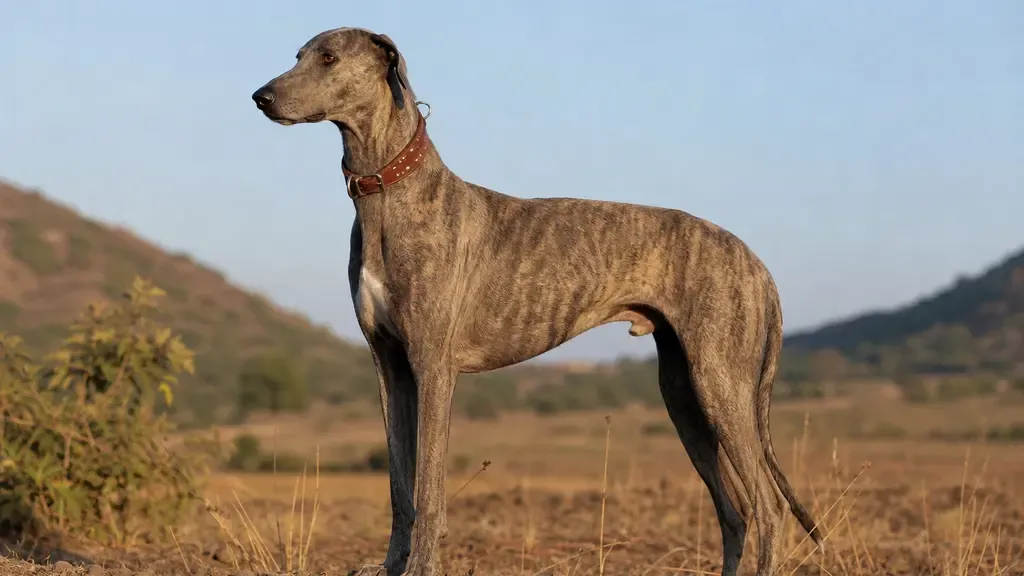
Mahratta Greyhound, an illustrated specimen plate
Plate, Mahratta Greyhound

The record

Size
Medium-Large
Height at shoulder
24-28 inches
Weight
20-28kg
Lifespan
11-14 years
Group
Sighthound
Origin
India (Maharashtra)
Period
Possibly medieval, associated with the Maratha Empire
Bred for
Coursing hare and hunting small game on the Deccan plateau
Energy
High
Shedding
Low
Trainability
Medium
Prey drive
High
Pack drive
Medium
Protectiveness
Medium
Sociability
Medium
Independence
High

A medium-large sighthound from the Deccan plateau of Maharashtra. Possibly linked to the hunting dogs of the Maratha Empire, it is a coursing specialist adapted to the dry, open grasslands of western India. Keen, swift, and more sociable than many Indian sighthounds, it makes a devoted companion for active owners who can provide sprint outlets.

TemperamentKeenSwiftLoyalAdaptable

3 recorded ancestors stand behind this breed, nearest first. Open any one of them for what is known about it.

Indian Pariah (Indie)Indian Pariah (Indie)Living breedAncient landrace, thousands of years oldIndia

Still livingIndian Pariah

The account

The Mahratta Greyhound is a coursing dog from the Deccan plateau, and almost everything else said about it should be held loosely. It is routinely linked to the hunting establishments of the Maratha Empire, which is plausible, the terrain, the period and the practice of coursing all line up, but the documentary trail is thin, and the name has been applied over the years to more than one type of western Indian sighthound. What is not in doubt is that a fast, lightly built hound has been bred in Maharashtra for a long time, and that it works.

It is built for open grassland. The Deccan's dry, treeless country favours a dog that spots movement at distance and runs it down, and the Mahratta is proportioned accordingly: long in the leg, deep through the chest, narrow, and carrying almost no spare weight. Compared to the Rampur Greyhound it is a smaller and less imposing animal, better suited to hare and small game than to jackal or deer, and its owners have historically valued turn and acceleration over raw size.

The temperament is easier than most Indian sighthounds. Mahrattas are described consistently as keen and adaptable, and they tend to be more openly sociable than the reserved southern hounds, a dog that will greet a household guest rather than leave the room. That does not soften the exercise requirement. Without a genuine sprint outlet on enclosed ground several times a week, this becomes a restless, destructive animal, and lead walks in a city will not substitute.

As with most of the Deccan landraces, the practical obstacles are supply and verification. There is no breed club, no written standard and no way to confirm parentage, and rural markets sell a great many hounds under a great many names. The breed's virtues, heat tolerance, hardiness, low grooming demand, and a genuinely long working life, are real, but realising them means finding dogs in Maharashtra through people who keep them, not through a listing.
Questions people ask

How is the Mahratta Greyhound different from the Rampur Greyhound?
The Mahratta Greyhound is lighter and finer-built than the Rampur Greyhound. While the Rampur was bred in the courts of Uttar Pradesh for coursing large game, the Mahratta evolved on the dry Deccan plateau for hare coursing. It is slightly smaller, faster at the sprint, and has a gentler temperament. The Rampur is more powerful; the Mahratta is more refined.
Can a Mahratta Greyhound handle hot summers?
Yes, better than most. This breed evolved on the hot, dry Deccan plateau where temperatures regularly exceed 40°C. Its short coat, lean build, and efficient heat dissipation make it well-suited to tropical heat. However, it still needs shade, fresh water, and should not be exercised during peak heat hours. Its thin skin can sunburn, avoid midday sun exposure.
How much exercise does a Mahratta Greyhound need?
45-60 minutes daily with sprint opportunities. Two walks of 20-30 minutes plus a secure area for full-speed running at least 3-4 times per week. This is a natural athlete that needs to run, a bored Mahratta Greyhound can become destructive or anxious. Lure coursing is an excellent sport for this breed.
Is the Mahratta Greyhound good with children?
Moderately. The Mahratta Greyhound is gentle with its family but can be sensitive to rough play. It is better with older children who understand how to interact calmly with a sighthound. Young children's sudden movements and loud noises can startle this breed. Always supervise interactions.
Where can I find a Mahratta Greyhound?
Extremely rare. Found only in rural Maharashtra, particularly in the western ghats and Deccan plateau regions. There are no breeders or kennel clubs. The breed is maintained by a handful of rural hunting families. You would need to travel to rural Maharashtra and connect with local coursing communities. Puppies, if available, typically is expensive.

Nearby in the register

Back to the plate