Skip to content

Sighthound · India (Deccan Plateau: Maharashtra, Karnataka, Telangana, Andhra Pradesh)

Banjara Hound

The Banjara Hound is the nomadic sighthound of India's Deccan Plateau, hardy, vigilant, and bred by the Banjara communities. Complete care guide for this rare Indian breed.

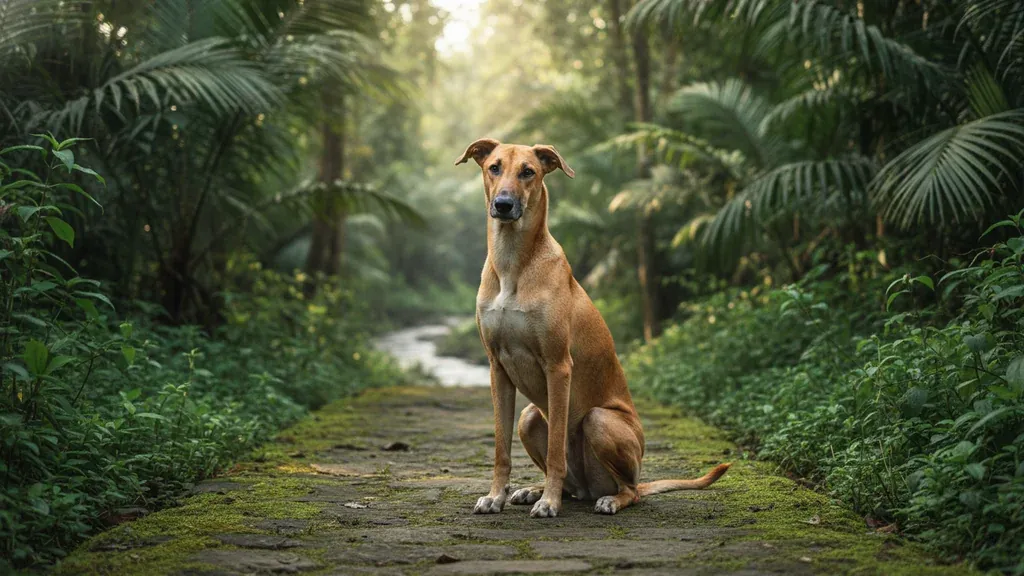
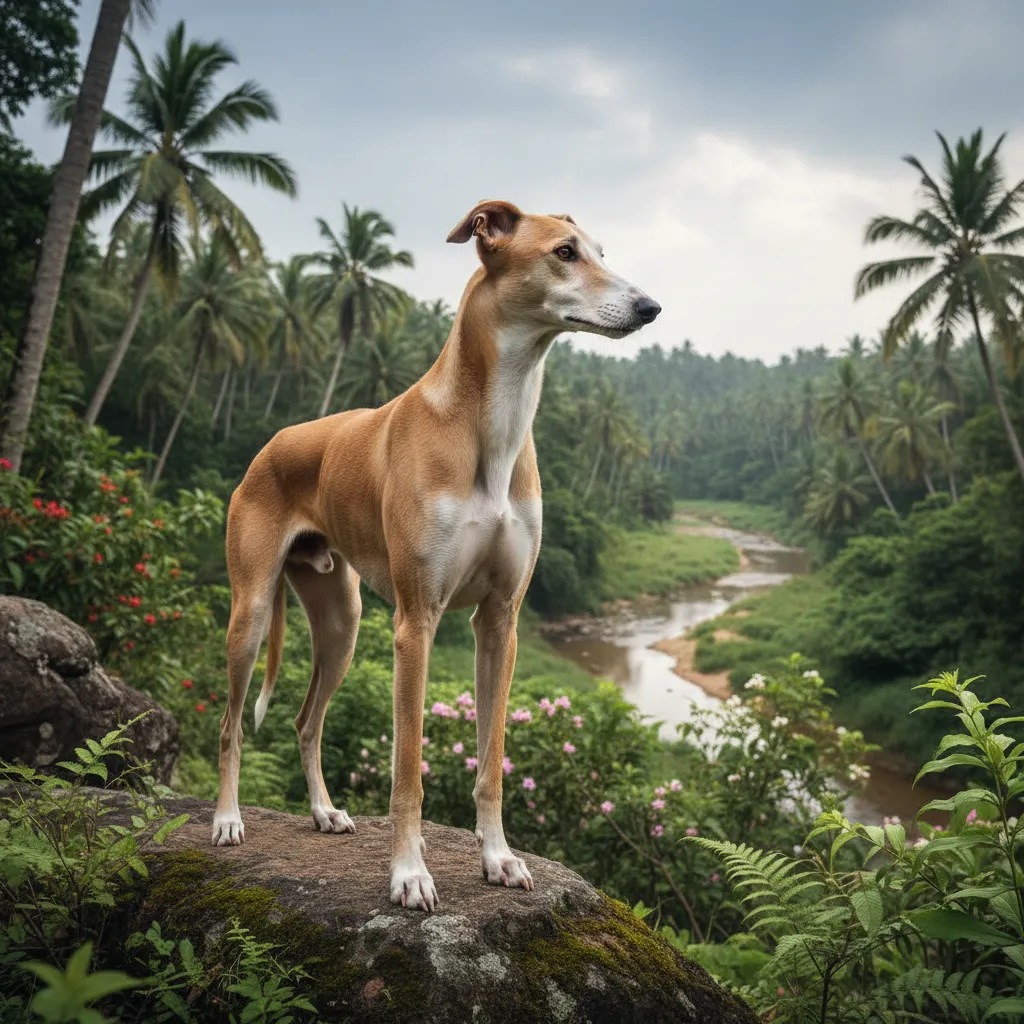
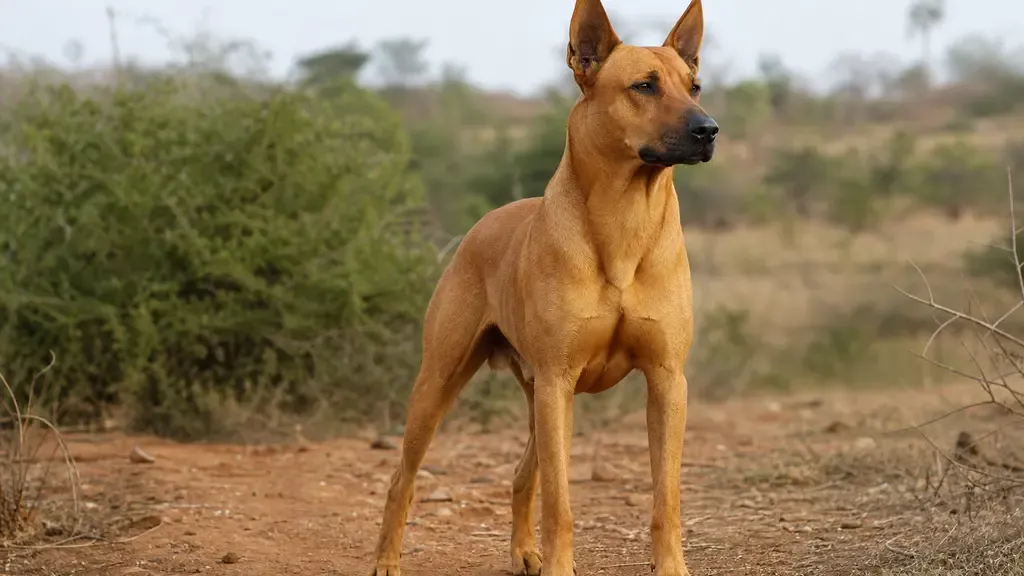
Banjara Hound, an illustrated specimen plate
Plate, Banjara Hound

The record

Size
Medium-Large
Height at shoulder
25-29 inches
Weight
22-30kg
Lifespan
10-13 years
Group
Sighthound
Origin
India (Deccan Plateau: Maharashtra, Karnataka, Telangana, Andhra Pradesh)
Period
Ancient, evolved with Banjara (Lambani) nomadic communities over centuries
Bred for
Hunting and guarding livestock for nomadic Banjara caravans
Energy
High
Shedding
Low
Trainability
Medium
Prey drive
High
Pack drive
Medium
Protectiveness
High
Sociability
Medium
Independence
High

A hardy, medium-large sighthound developed by the Banjara (Lambani) nomadic communities of the Deccan Plateau. Bred to guard caravans and course game, it is more protective than typical sighthounds. Loyal to its family, aloof with strangers.

TemperamentVigilantHardyLoyalNomadic

4 recorded ancestors stand behind this breed, nearest first. Open any one of them for what is known about it.

Indian Pariah (Indie)Indian Pariah (Indie)Living breedAncient landrace, thousands of years oldIndiaMudhol HoundMudhol HoundLiving breedCenturies old, from KarnatakaIndia

Still livingIndian PariahMudhol Hound

The account

The Banjara Hound is a sighthound that was never allowed to be only a sighthound. The Lambani caravans that moved grain, salt and cattle across the Deccan needed a dog that could course a hare at first light and still be worth trusting with the camp at midnight, and that double demand produced an animal heavier in the chest and far more suspicious of strangers than the coursing hounds further south.

Nothing about the breed was ever written down. The Banjara travelled the routes that now cross Maharashtra, Karnataka, Telangana and Andhra Pradesh long before those were state boundaries, and their dogs travelled with them, no kennel, no standard, no register, no stud book. Selection happened on the road: dogs that could not keep pace, tolerate heat, or hold a perimeter did not get fed for long. What survives is a landrace shaped almost entirely by usefulness.

That history shows up in the way the dog behaves in a household. A Banjara Hound will run like a sighthound and then, unlike a sighthound, decide it has opinions about the delivery rider. The guarding instinct is genuine and it arrives without training, which means early and continued socialisation matters far more here than it would for a Mudhol Hound. Give it a hard gallop several times a week on secure ground and something to watch over, and it settles; give it a balcony and it becomes a problem for the whole floor.

Health is what unmanaged breeding tends to deliver, robust, with no signature inherited disease and a working lifespan into the low teens. Acquisition is the hard part. There is no breed club, no standard and no reliable source, and a good deal of what is offered for sale under the name is simply a local hound or a Mudhol cross. If the breed interests you, the honest route is to find working Banjara communities and see the dogs in context rather than to shop for a puppy online.
Questions people ask

How is the Banjara Hound different from the Mudhol Hound?
The Banjara Hound is stockier and more protective than the Mudhol Hound. While both are Indian sighthounds, the Banjara was bred for dual purpose, hunting AND guarding livestock caravans. The Mudhol Hound is finer-built and more of a pure coursing specialist. The Banjara also tends to have a slightly thicker coat adapted to the varied Deccan climate.
Is the Banjara Hound good for first-time owners?
No. This breed needs experienced handling. It is independent, protective, and has high prey drive. A first-time owner may struggle with its strong-willed nature and need for consistent boundaries. It is best suited to owners familiar with sighthounds or working breeds.
How much space does a Banjara Hound need?
A house with a large, securely fenced compound is ideal. This is not an apartment dog. The Banjara Hound needs room to sprint and patrol. Its nomadic heritage means it is used to covering large distances daily. A minimum of a 2,000 sq ft fenced area is recommended.
What is the monthly cost of keeping a Banjara Hound?
Running costs vary a great deal by country and city. Food, routine vet care, and tick prevention plus grooming. The short coat is low-maintenance but tick prevention is essential in the Deccan climate.
Where can I find a Banjara Hound?
Very rare outside Banjara communities. Some are still kept by Lambani/Banjara families in Maharashtra, Karnataka, and Telangana. There are no recognized breeders. You would need to approach Banjara community elders in rural areas. Occasionally available through village dog rescue networks.

Nearby in the register

Back to the plate