Skip to content

Sighthound · India (Maharashtra)

Kurumber Hound

The Kurumber Hound is a rare forest hunting hound from Maharashtra, vigilant, agile, and bred by the Kurumba tribal communities. Complete care guide for this little-known Indian breed.

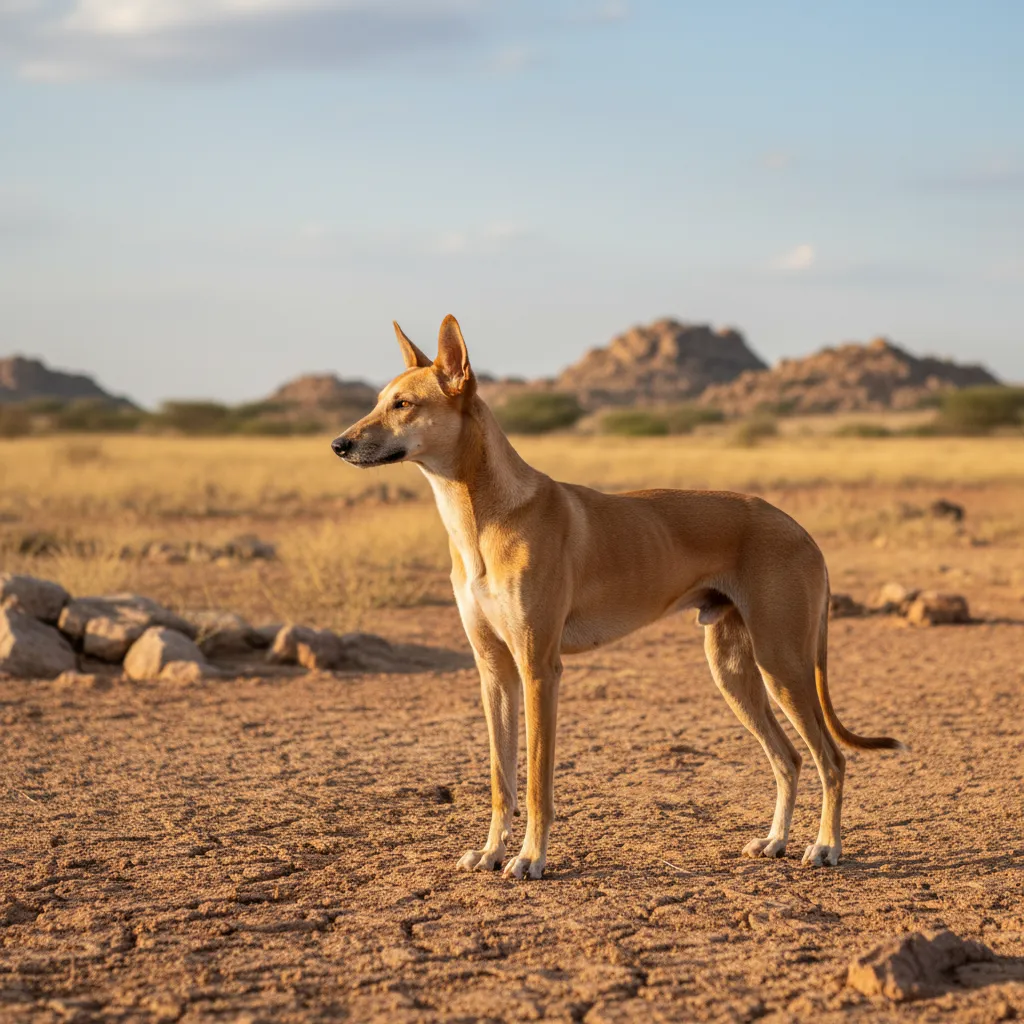
Kurumber Hound, an illustrated specimen plate
Plate, Kurumber Hound

The record

Size
Medium
Height at shoulder
22-26 inches
Weight
18-25kg
Lifespan
11-14 years
Group
Sighthound
Origin
India (Maharashtra)
Period
Ancient, associated with Kurumba/Kurubar tribal communities
Bred for
Hunting small game and guarding tribal settlements in the Deccan plateau
Energy
High
Shedding
Low
Trainability
Medium
Prey drive
High
Pack drive
Medium
Protectiveness
High
Sociability
Medium
Independence
High

A medium, agile hound from the forests of Maharashtra, associated with the Kurumba/Kurubar tribal communities. Bred for hunting small game and guarding tribal settlements, it is more protective and versatile than a typical sighthound. Alert, hardy, and adaptable to varied terrain from scrubland to deciduous forest.

TemperamentVigilantAgileProtectiveHardy

4 recorded ancestors stand behind this breed, nearest first. Open any one of them for what is known about it.

Indian Pariah (Indie)Indian Pariah (Indie)Living breedAncient landrace, thousands of years oldIndia

Still livingIndian Pariah

The account

The Kurumber Hound is one of those Indian breeds that exists more securely in the field than in the literature. It is associated with the Kurumba and Kurubar communities of Maharashtra and the wider Deccan, traditionally shepherds and forest-dwellers, and the dogs kept among them are a recognisable type: medium, light-framed, short-coated, with the alert carriage of a hound that hunts in cover rather than across open ground. Whether that type constitutes a distinct breed or a regional expression of the broader south Indian hound is genuinely unsettled.

What is clear is the job it was kept for. This was not a pure coursing dog. Kurumber Hounds worked in scrub and deciduous forest, where sight has limited range and a dog needs to switch between sight, scent and hearing, and they doubled as camp and settlement guards. That produces something between a sighthound and a general-purpose hunting dog, more protective than a Mudhol, more agile in broken terrain, and considerably more suspicious of arriving strangers than a coursing specialist has any reason to be.

Living with one reflects that mix. The exercise requirement is high and cannot be met by walking; these dogs need to move over varied ground and use their noses. The guarding instinct means socialisation from puppyhood is not optional, and the prey drive means small pets are a real risk rather than a theoretical one. In return you get a hardy, low-maintenance dog with a short coat, few grooming demands, and the kind of constitution that unmanaged breeding tends to produce.

For most readers this remains a breed to know about rather than to acquire. There is no standard, no registry, and no established breeder network, and dogs sold under the name outside their home districts are usually something else. Anyone seriously interested should treat it as a matter of visiting the communities that keep them, in which case the more useful question is not where to buy one but whether the type is being recorded before it disappears into the general village-dog population.


Questions people ask

How is the Kurumber Hound different from the Mudhol Hound?
The Kurumber Hound is stockier, more protective, and more versatile than the Mudhol Hound. While the Mudhol is a pure coursing sighthound of the open plains, the Kurumber was bred for forest work, hunting in undergrowth and guarding settlements. It has a broader skill set but lower top speed than the Mudhol.
Can a Kurumber Hound live in an apartment?
Not recommended. This is an active, vigilant breed that needs space to patrol and exercise. A house with a fenced yard is the minimum. The breed's guarding instincts can lead to excessive barking in close quarters with neighbors. It also needs more exercise than apartment living typically allows.
Is the Kurumber Hound good with other dogs?
Moderately. The Kurumber Hound can coexist with other dogs, especially if raised together, but it has strong guarding instincts that can make it territorial. Same-sex aggression is possible. Early socialization with many different dogs is essential. It is not a dog park breed. It prefers its own space.
What health issues does the Kurumber Hound have?
As a landrace breed, the Kurumber Hound is generally hardy with few inherited conditions. The main concerns are tick-borne diseases (very common in Maharashtra's forests), gastric bloat (deep-chested build), and injuries from hunting. Regular tick prevention and deworming are essential.
Where can I find a Kurumber Hound?
Only in the tribal regions of Maharashtra, particularly areas where the Kurumba/Kurubar communities live. There are no breeders, no kennel club recognition, and the breed is largely unknown outside its home region. You would need to travel to rural Maharashtra and connect with tribal community leaders.

Nearby in the register

Back to the plate