Skip to content

FCI Group 5 Section 5 (Asian Spitz and Related Breeds); AKC Foundation Stock Service · Japan (Hokkaido Island)

Hokkaido

The Hokkaido is a rare, ancient Japanese hunting dog with a thick double coat and fierce loyalty. Learn if this primitive spitz suits family homes.

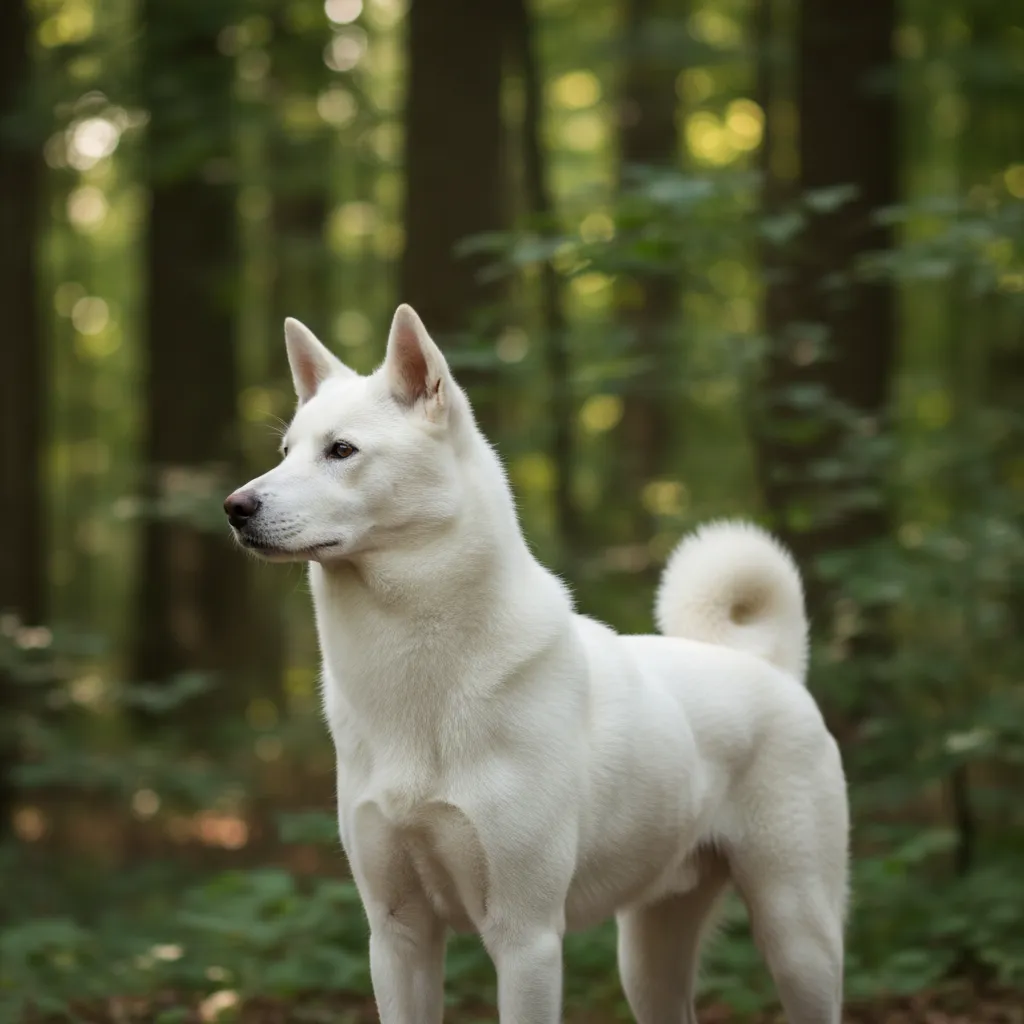
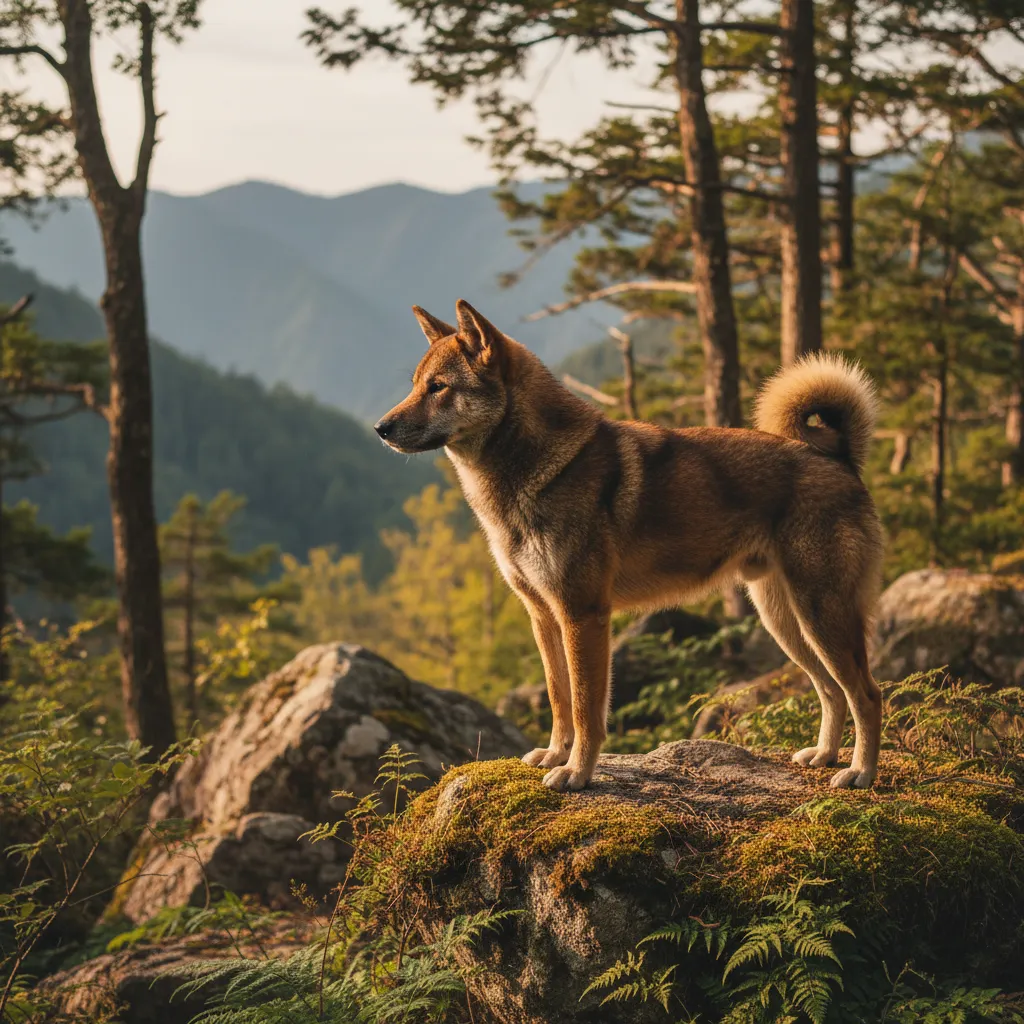
Hokkaido, an illustrated specimen plate
Plate, Hokkaido

The record

Size
Medium
Height at shoulder
18-22 inches
Weight
20-30kg
Lifespan
12-15 years
Group
FCI Group 5 Section 5 (Asian Spitz and Related Breeds); AKC Foundation Stock Service
Origin
Japan (Hokkaido Island)
Period
Ancient (Ainu era, pre-1000 CE)
Bred for
Hunting bear and deer in mountainous terrain; guarding
Energy
High
Shedding
High
Trainability
Medium
Prey drive
High
Pack drive
Medium
Protectiveness
High
Sociability
Medium
Independence
High

A loyal, brave, and alert primitive spitz breed with strong hunting instincts and deep devotion to family, but aloof with strangers and demanding of experienced handling.

TemperamentLoyalBraveAlertIndependent

3 recorded ancestors stand behind this breed, nearest first. Open any one of them for what is known about it.

The account

The Hokkaido is the dog of the Ainu, and it predates the Japanese presence on the island it is named for. Ainu hunters, matagi, used it on brown bear and deer in heavy snow country, which is an extraordinary thing to ask of a 25 kg dog and explains most of what the breed is. It did not fight the bear. It held it, circled it, and kept it occupied and vocal until the hunters arrived, and it needed the nerve to do that repeatedly without breaking.

It is the most archaic of the Japanese spitz breeds and looks it: a compact, thickly double-coated dog with small triangular ears, a curled tail and a heavy stand-off ruff. Many individuals carry blue-black spotting on the tongue, a trait it shares with the Chow Chow and which has no agreed explanation. Japan designated it a Living Natural Monument in 1937, which is a large part of why a breed with essentially no commercial demand still exists.

The temperament is loyal in the narrow, intense way common to the nihon-ken. A Hokkaido attaches completely to its household, is watchful and reserved with everyone else, and retains an alertness that never entirely switches off. Prey drive is high and same-sex dog aggression is common. Training works, but on the primitive-breed terms: the dog needs to understand why, respects consistency, and disengages under pressure or repetition. Owners coming from a Labrador find this breed baffling for the first year.

Two things rule it out for most of India. The first is the coat and the physiology behind it. This is a snow-country dog with heavy seasonal shedding and no useful tolerance for a plains summer. The second is availability: outside Japan the breed is genuinely rare, export is limited, and the health question worth raising with any breeder is the hereditary collagen disorder documented in the breed, which has a DNA test. In practice, for readers here, the Hokkaido is a breed to understand rather than to acquire.

Questions people ask

Can a Hokkaido dog survive hot, humid summers?
The Hokkaido has a thick double coat built for freezing northern winters, making hot, humid summers extremely challenging. Air-conditioned indoor living is essential, and walks must be limited to early mornings or late evenings.
How much does a Hokkaido dog cost?
Hokkaido dogs are virtually unavailable with no known local breeders. An imported puppy would is expensive including import and quarantine fees.
Is the Hokkaido a good family dog?
The Hokkaido is loyal and affectionate with family but can be aloof with strangers and reactive toward other dogs. Best for experienced owners who understand primitive spitz temperaments.
How much exercise does a Hokkaido need?
Hokkaidos need 60-90 minutes of vigorous exercise daily. In tropical heat, schedule activity for early morning hours and provide mentally stimulating puzzle toys indoors.

Nearby in the register

Back to the plate