Skip to content

Molosser · India (Jammu & Kashmir)

Kashmiri Mastiff

The Kashmiri Mastiff is a giant livestock guardian from the Himalayas, powerful, protective, and bred to fight wolves and leopards. Complete care guide for this rare Indian breed.

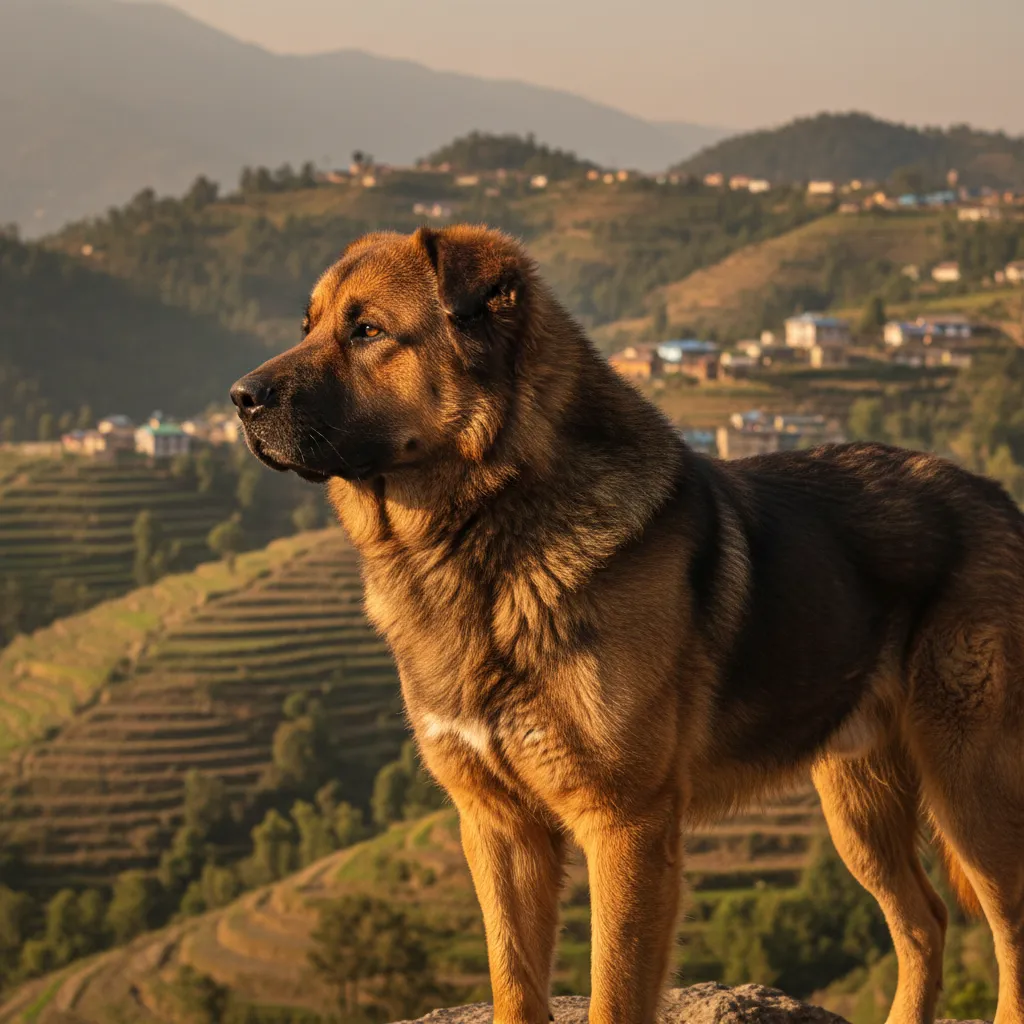
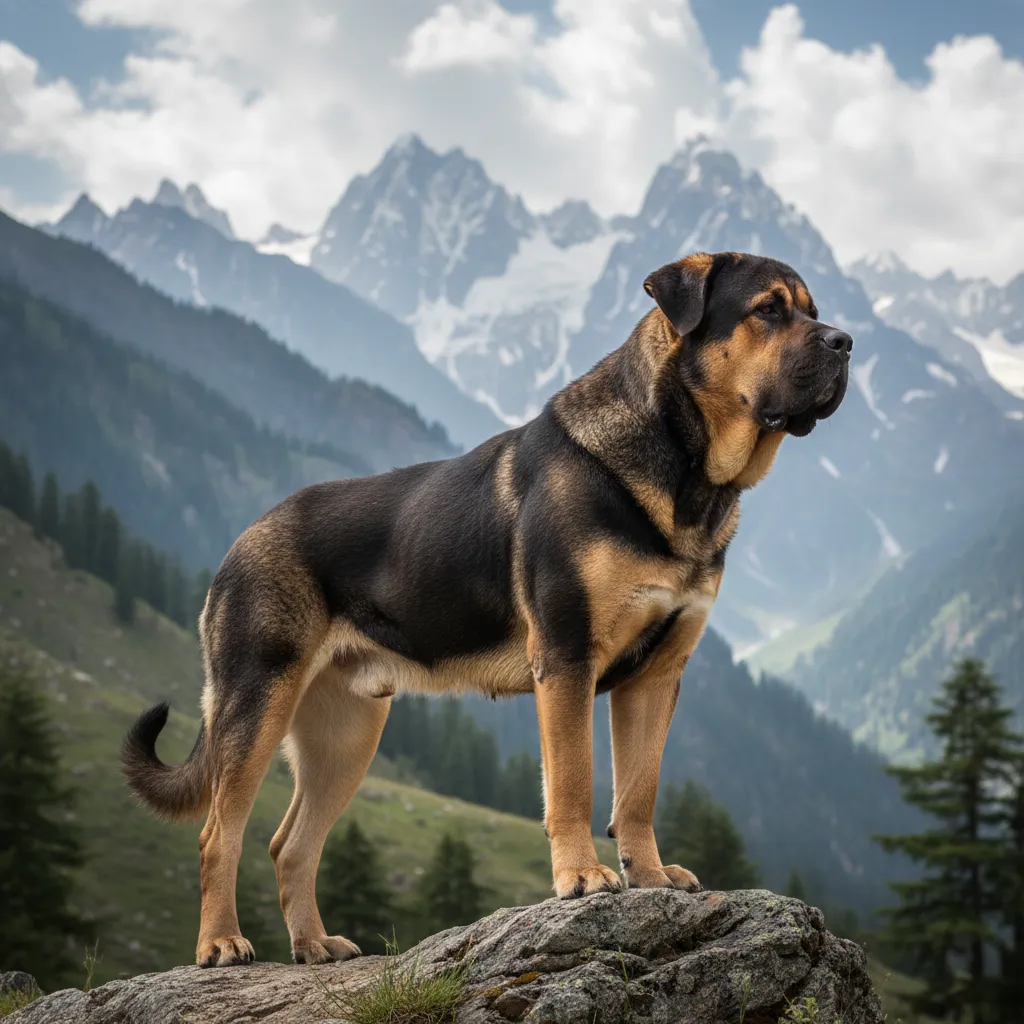
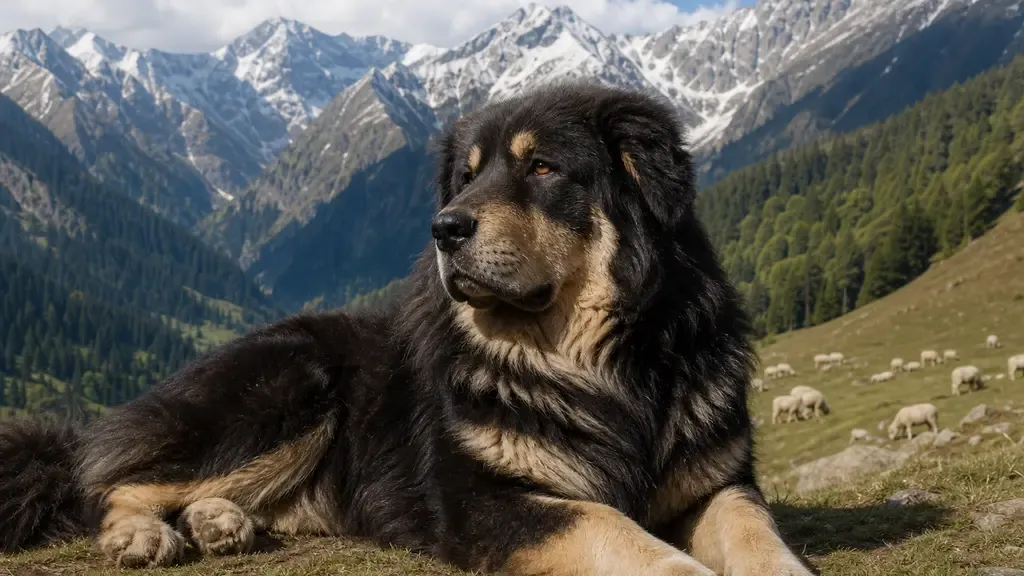
Kashmiri Mastiff, an illustrated specimen plate
Plate, Kashmiri Mastiff

The record

Size
Giant
Height at shoulder
28-32 inches
Weight
50-70kg
Lifespan
8-11 years
Group
Molosser
Origin
India (Jammu & Kashmir)
Period
Ancient, developed by Gujjar-Bakarwal nomadic herders of Kashmir
Bred for
Guarding livestock (sheep and goats) against wolves, leopards, and bears in the Himalayan foothills
Energy
Medium
Shedding
High
Trainability
Medium
Prey drive
Low
Pack drive
Medium
Protectiveness
High
Sociability
Medium
Independence
High

A giant, powerful molosser from the mountains of Jammu & Kashmir. Developed by Gujjar-Bakarwal nomadic herders to protect livestock from wolves, leopards, and bears. It is one of India's most formidable guardian breeds, protective, independent, and deeply bonded to its family and flock. Not a breed for the inexperienced.

TemperamentImposingProtectiveLoyalIndependent

3 recorded ancestors stand behind this breed, nearest first. Open any one of them for what is known about it.

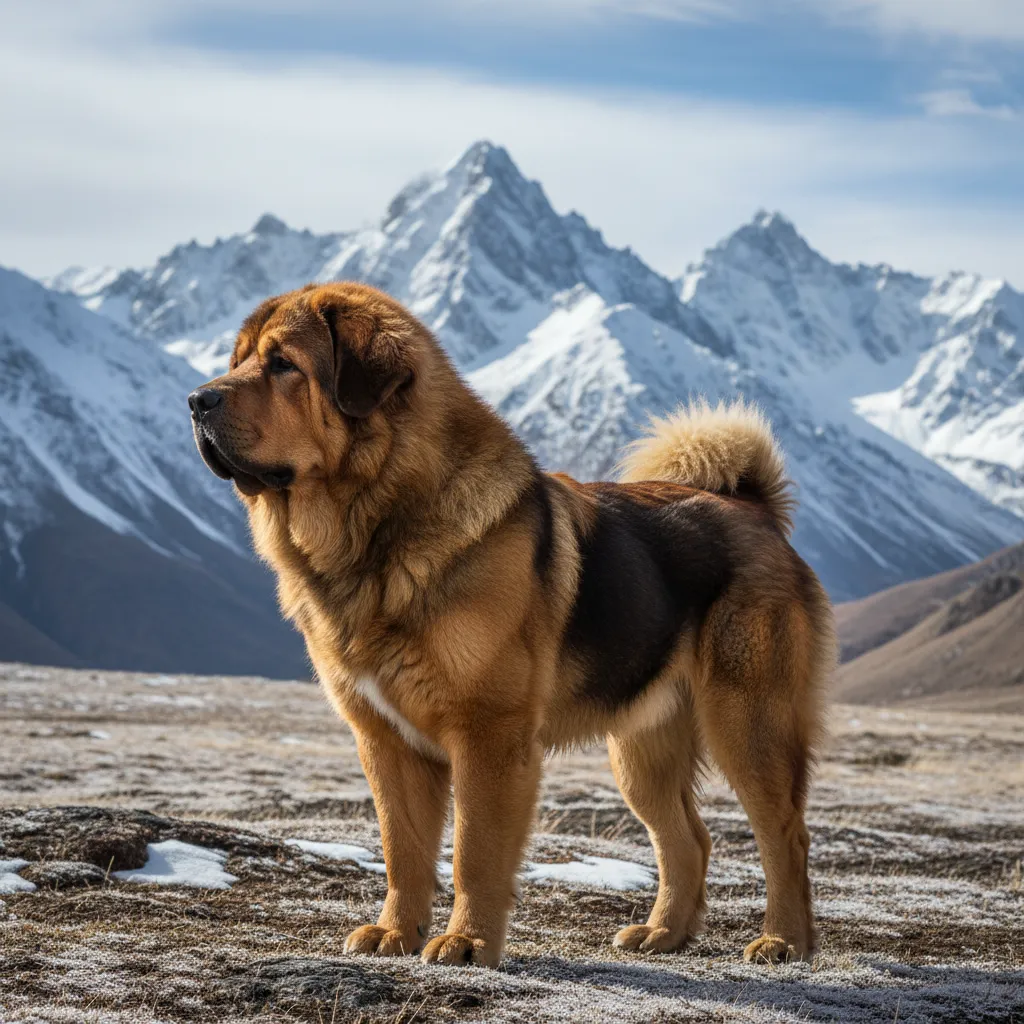
Tibetan MastiffTibetan MastiffLiving breedAncient - possibly 1100 BC or earlierTibet (Himalayan Region)

Still livingTibetan Mastiff

The account

The Kashmiri Mastiff sits at the heavy end of a family of Himalayan guardian dogs kept by the Gujjar and Bakarwal herding communities of Jammu and Kashmir. It is worth stating up front that the boundaries within that family are not settled: the names Kashmiri Mastiff, Bakharwal and Gujjar dog are used differently by different people, sometimes for the same population and sometimes for recognisably different types. What is consistent is the function, livestock guardian against wolves, leopards and bears in the Himalayan foothills, and the general shape of the dog that resulted.

That shape is molosser rather than mountain-herder. Where the migrating Bakharwal is built for endurance over distance, dogs described as Kashmiri Mastiffs are heavier through the head and body, closer in outline to the Tibetan Mastiff, and more suited to holding ground than covering it. The coat is thick and doubled, the bone is substantial, and the overall impression is deliberately intimidating, which was the point, since much of a guardian's work is deterrence that never becomes a fight.

Temperamentally this is a dog that grants trust to a fixed circle and revises the list rarely. With its own household it is steady, tolerant and undramatic. With anything outside it, the default assumption is threat, and the dog acts on that assumption without waiting for instruction. Socialisation broadens the circle if it starts early and continues, but it does not change the underlying disposition, and no amount of obedience training makes this a dog you can safely leave with unfamiliar visitors.

For a prospective owner the constraints stack up quickly. A giant guardian with high defensive drive needs secure land, an experienced handler and a legal and practical willingness to be responsible for what it does. The Himalayan coat makes the Indian plains unsuitable in summer, food costs for a 60 kg dog are substantial, and the lifespan is short even by giant-breed standards. Add the absence of any registry or reliable breeder network outside the region, and the realistic answer for most people is that this is a working dog of the mountains, not a dog to be relocated.
Questions people ask

How is the Kashmiri Mastiff different from the Tibetan Mastiff?
Related but distinct. The Kashmiri Mastiff is lighter and more agile than the Tibetan Mastiff, adapted to the specific conditions of the western Himalayas. It has a shorter muzzle, slightly less coat bulk (though still heavy), and was bred for active livestock guarding at altitude rather than the more stationary estate guarding of the Tibetan Mastiff. The Kashmiri Mastiff is also more likely to be found in black-and-tan or brindle colors.
Can a Kashmiri Mastiff live in the lowland plains?
Not comfortably. This breed evolved for cold mountain climates (5-25°C). In the plains, especially during hot summers (35-45°C), the Kashmiri Mastiff will suffer severely from heat stress. If kept in the plains, it absolutely needs air conditioning, a cool tile floor, limited daytime exercise, and constant access to fresh water. It is NOT a breed for hot climates.
Is the Kashmiri Mastiff dangerous?
It can be, without experienced handling. This is a livestock guardian that was bred to fight wolves. It is large, powerful, and has extremely strong protective instincts. With proper training and socialization from puppyhood, it is devoted and controlled with its family. But it will not tolerate threats to its people or property. This breed requires an owner who understands guardian breeds.
How much does a Kashmiri Mastiff eat?
A lot. Expect 800g-1.2kg of quality dry food daily, split into two meals. Raw diet enthusiasts may feed 1.5-2kg of raw meaty bones daily. Monthly food costs range from depending on diet quality. The breed is prone to bloat, never exercise within an hour of feeding.
Where can I find a Kashmiri Mastiff?
In the Gujjar-Bakarwal communities of Jammu & Kashmir, particularly in the Pir Panjal and Greater Himalayan ranges. Some are also found with shepherding communities in Himachal Pradesh and Uttarakhand. There are no established breeders. Puppies may occasionally be available through contacts in Srinagar or Jammu, typically.

Nearby in the register

Back to the plate