The account
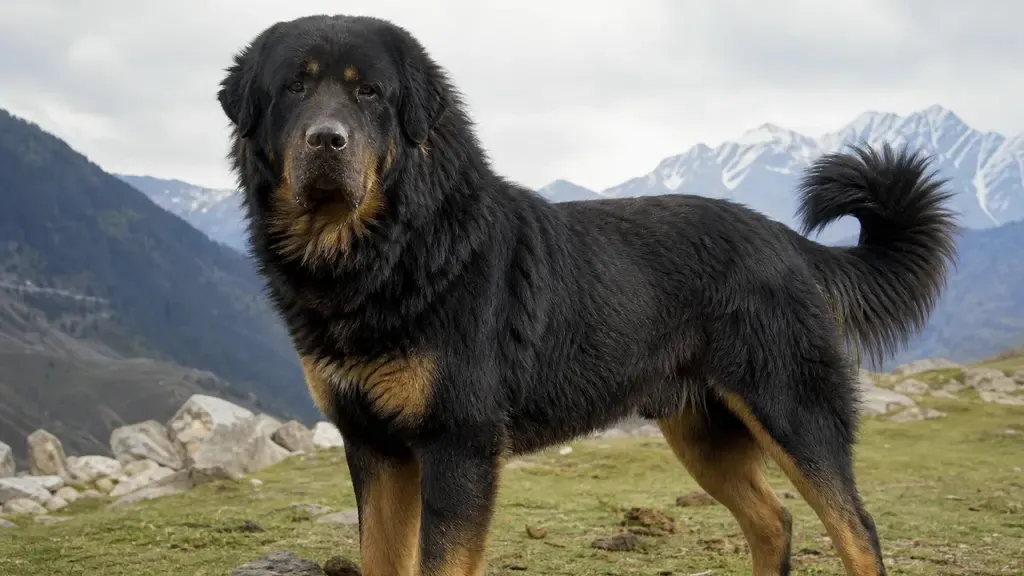
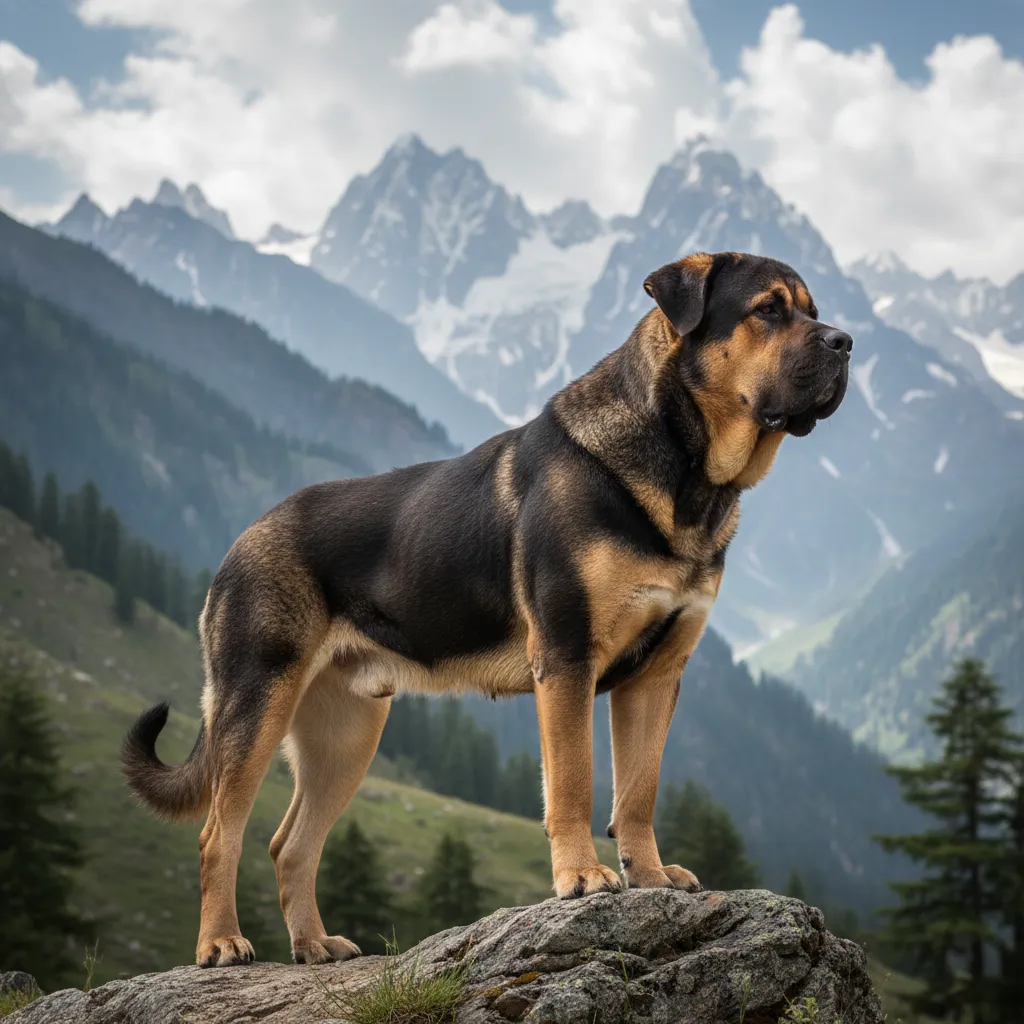
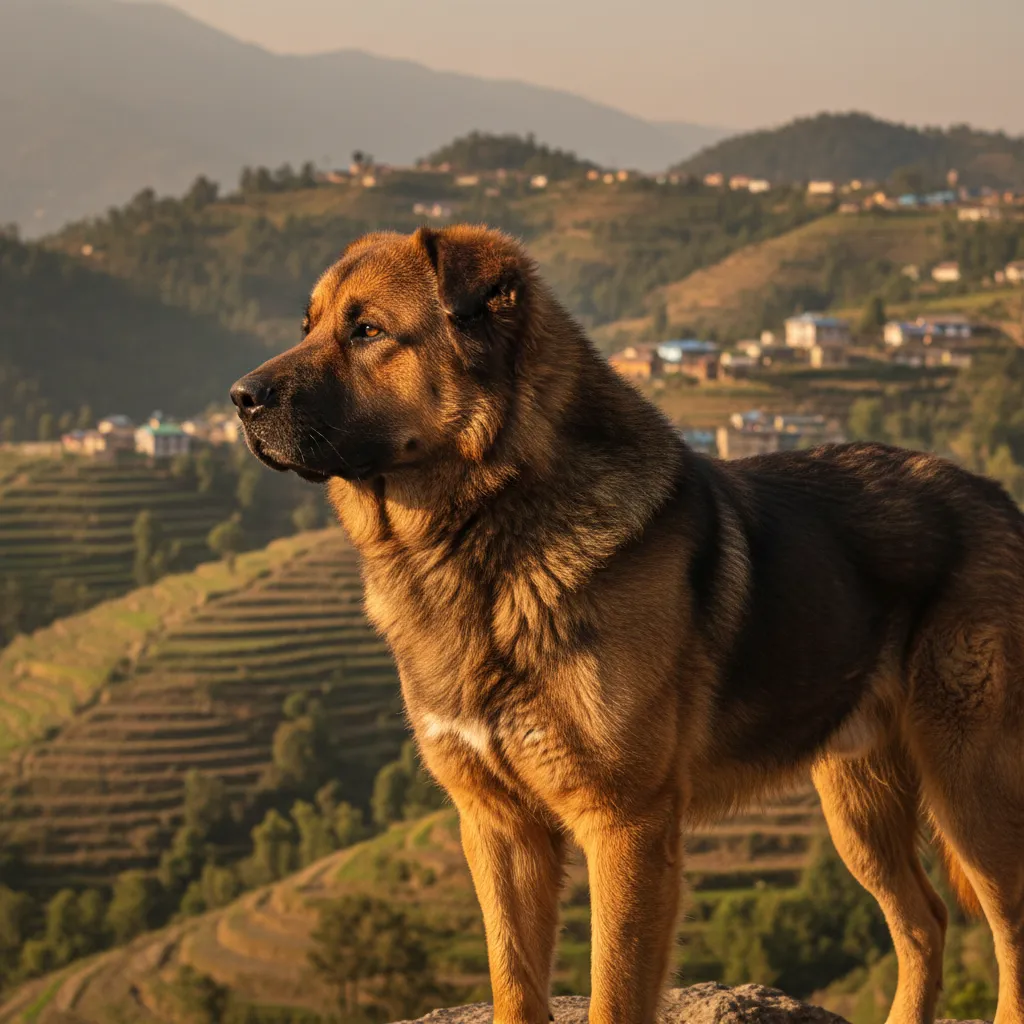
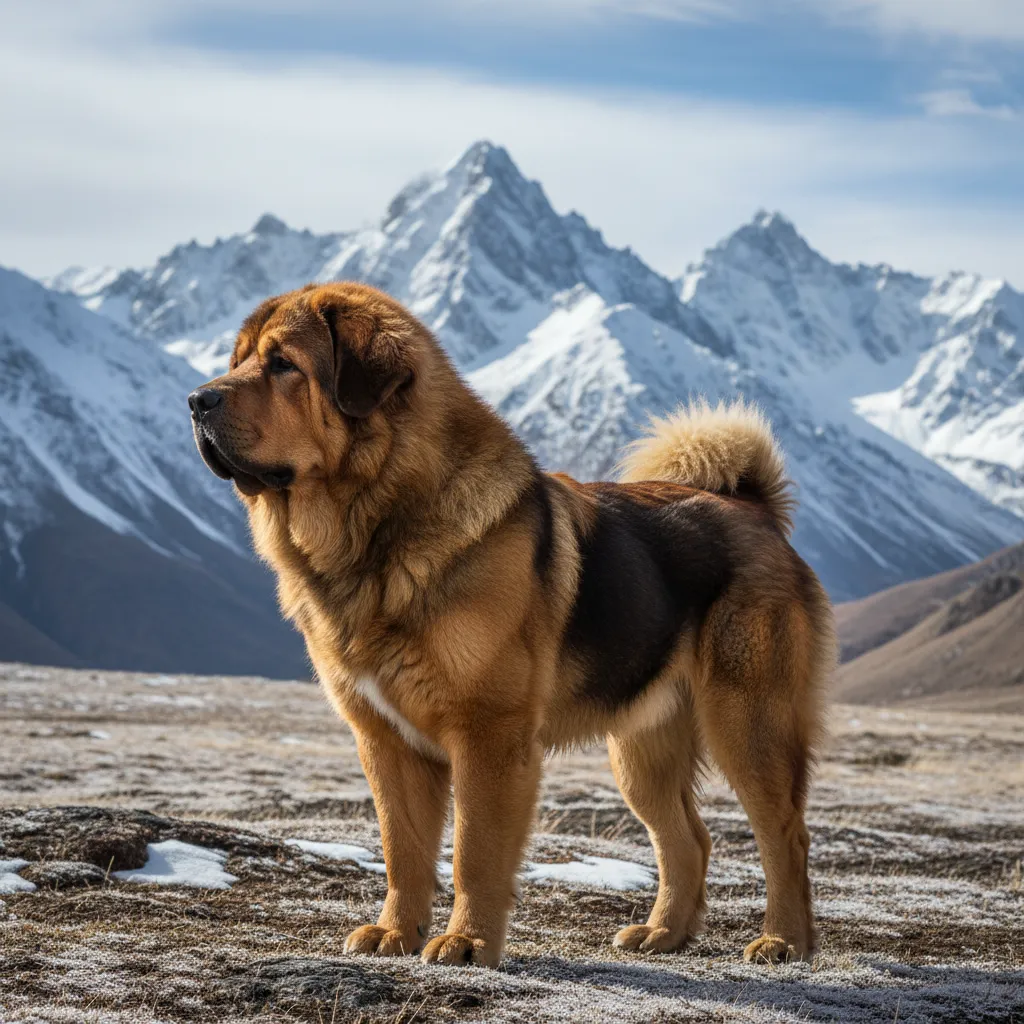
The Bangara is a Nepali farm and homestead guardian, and it is a landrace in the strictest sense: a regional type maintained by function, with no standard, no registry and no organised breeding behind it. It is found across Nepal's mid-hills and into the Terai, kept by farming households to guard property, protect livestock and do whatever else a working dog on a hill farm is needed for. Descriptions of it vary by valley, which is what you would expect.
Its ancestry sits between two well-known populations. Nepal's mid-hills lie on the boundary where Tibetan mastiff-type dogs coming down from the north meet the pariah-type village dogs of the Indian plains, and the Bangara looks like the product of that meeting, heavier and thicker-coated than a pariah, lighter and more mobile than a true Tibetan Mastiff. Households in the region generally do not distinguish sharply between the types, which is part of why the Bangara is so poorly documented.
The temperament is guardian-typical and should be taken seriously. This is a territorial dog with a high defensive drive, strong loyalty to its household, and a low tolerance for unfamiliar people arriving on what it considers its ground. It is independent, makes its own decisions, and does not have the biddability of a breed selected for handler focus. Given land, a boundary and something to protect, it is settled and undemanding. Given a small urban plot and constant foot traffic, it becomes a liability.
For Indian readers the practical assessment is straightforward. The coat and build suit hill climates, not the plains, and summer in most of the country would be hard on the dog. There is no route to acquiring one honestly outside Nepal, and no way to verify what you are getting if someone offers you a puppy. The value of the record is mostly as a reminder that the Himalayan foothills hold a series of working types like this, locally essential, nationally invisible, and largely unstudied.
-1759995710148.webp/1920.webp)