Skip to content

FCI Group 2 (Molossoid, Mountain type) / UKC Guardian Dog · Turkey (Sivas province, Anatolian plateau)

Kangal

The Kangal is Turkey's national livestock guardian, bred to face wolves alone on the Anatolian plateau. Calm, immensely powerful, and independent, complete care guide for owners.

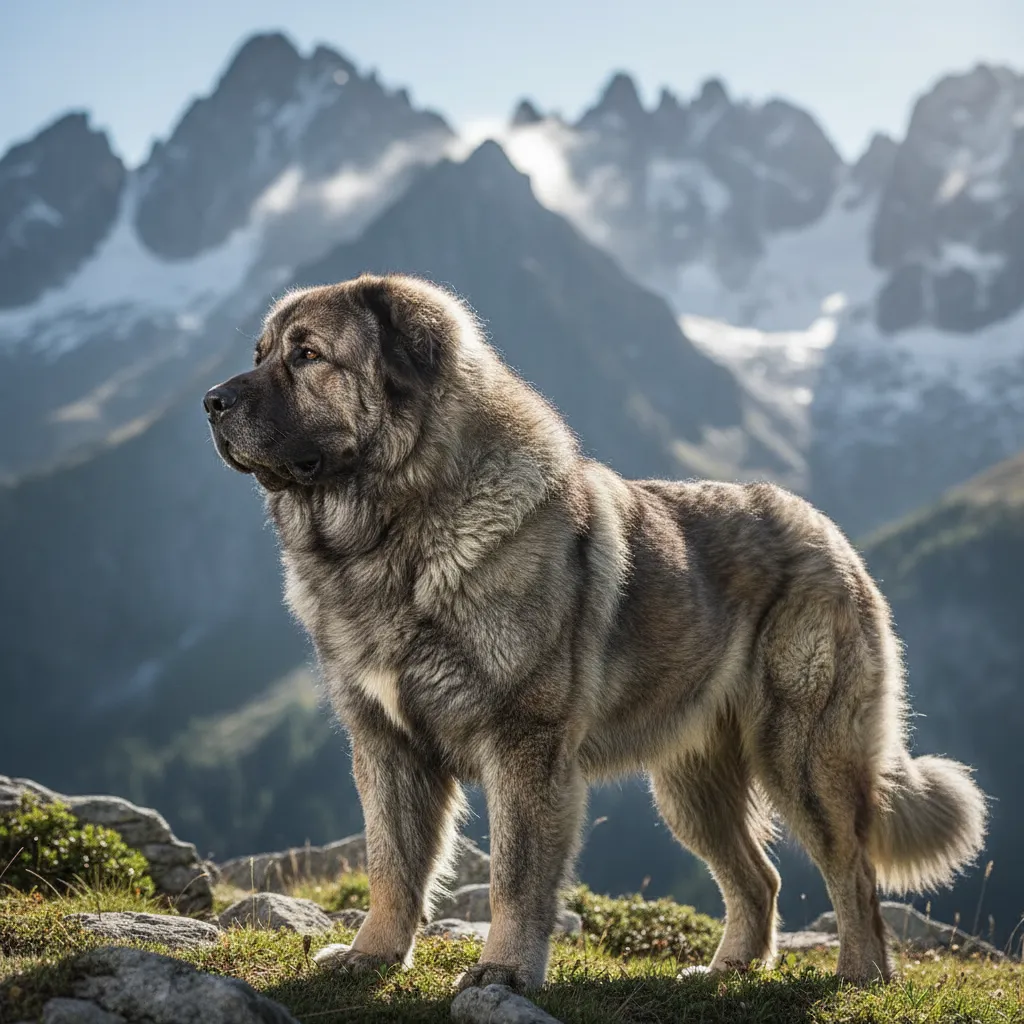
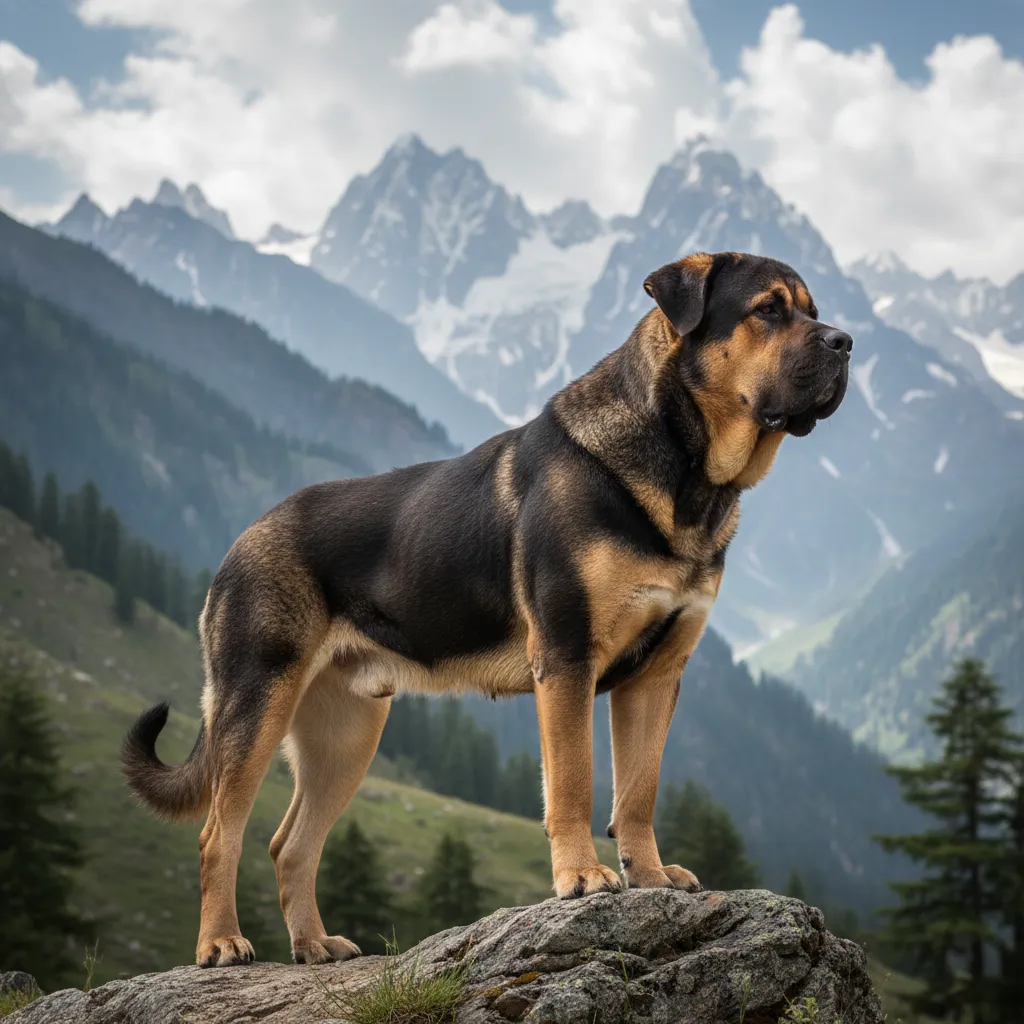
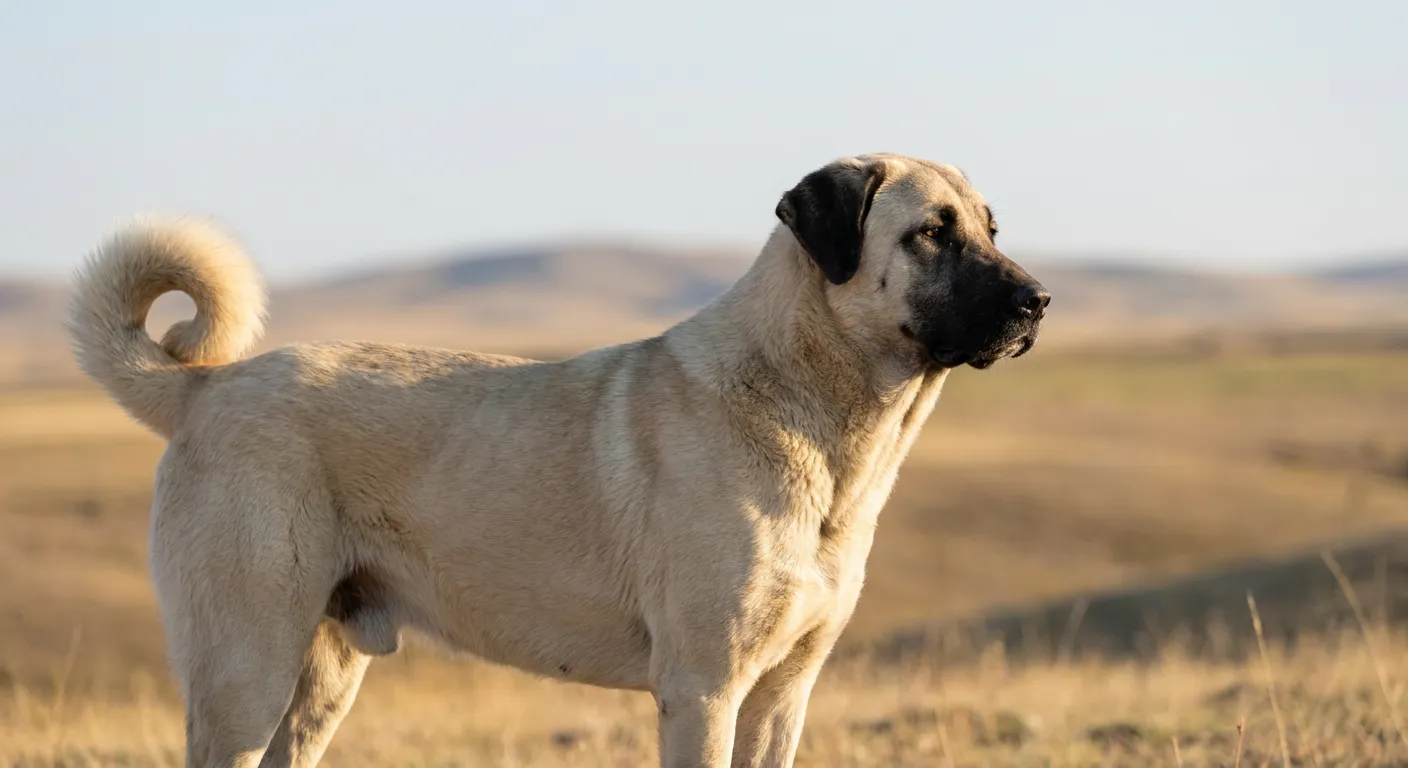
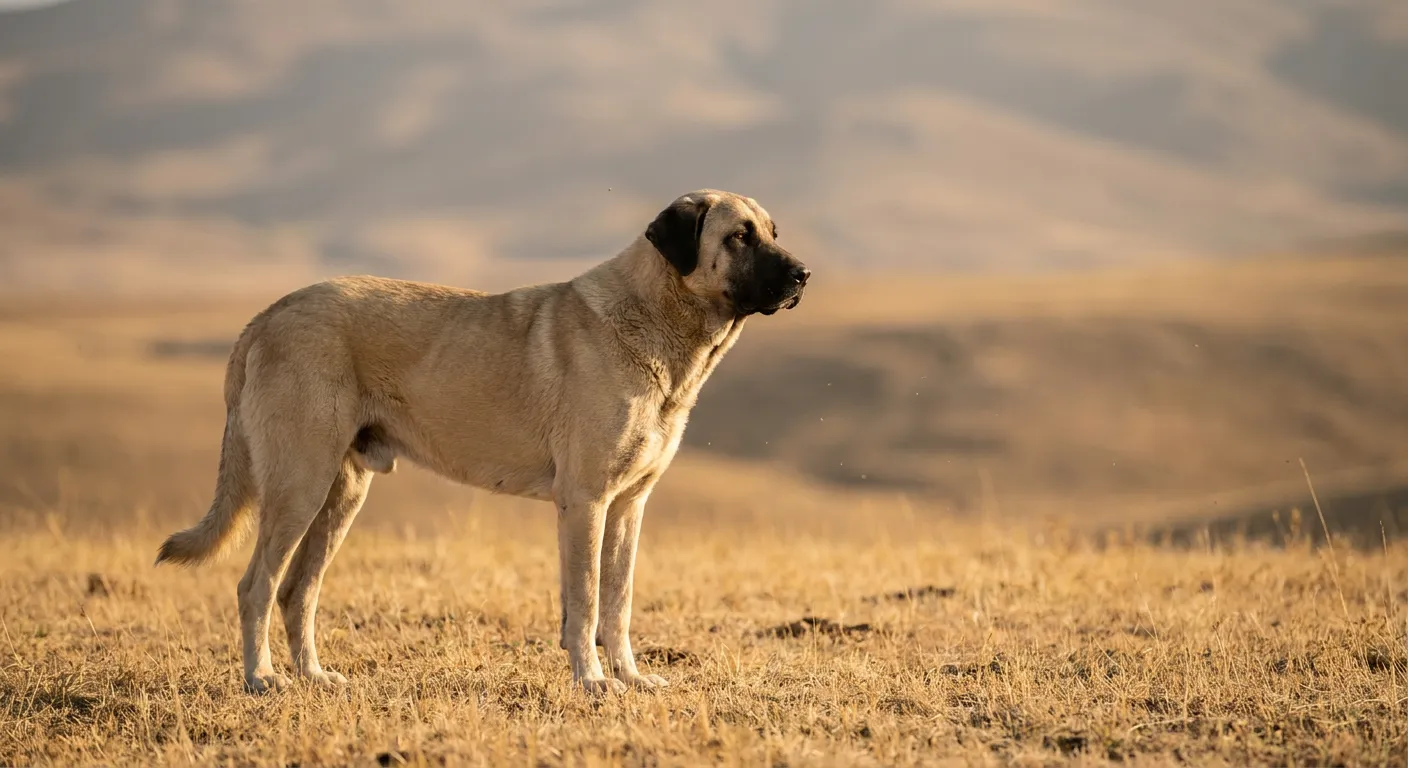
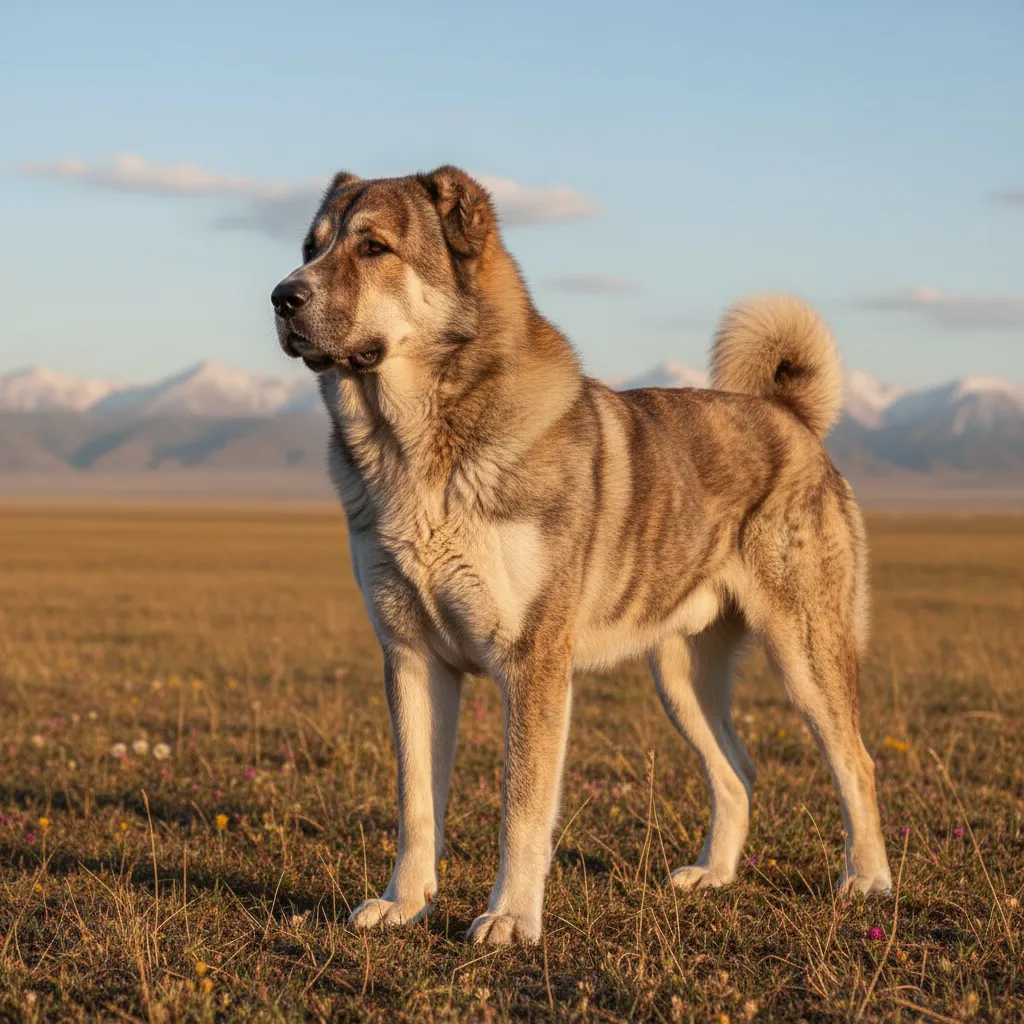
Kangal, an illustrated specimen plate
Plate, Kangal

The record

Size
Giant
Height at shoulder
28-32 inches
Weight
41-65kg
Lifespan
12-15 years
Group
FCI Group 2 (Molossoid, Mountain type) / UKC Guardian Dog
Origin
Turkey (Sivas province, Anatolian plateau)
Period
Ancient, descended from Near Eastern guardian stock, named for the Kangal district
Bred for
Guarding sheep and goat flocks against wolves, bears and jackals
Energy
Medium
Shedding
High
Trainability
Medium
Prey drive
Low
Pack drive
Medium
Protectiveness
High
Sociability
Medium
Independence
High

A steady, watchful guardian that is unusually calm in the house and decisive in the field. The Kangal assesses threats independently and acts without waiting for instruction, which makes it superb with livestock and demanding for the average owner.

TemperamentCalmProtectiveIndependentLoyal

1 recorded ancestor stand behind this breed, nearest first. Open any one of them for what is known about it.

The account

The Kangal is what four thousand years of a single question produces: does the dog stop the wolf. Shepherds on the Anatolian plateau never selected for looks, biddability or affection. They selected for a dog that could be left with a flock for days, would not harm the sheep, and would meet a wolf without hesitation.

The result is a temperament that surprises people who expect aggression. Kangals are notably calm, slow to arouse, undramatic, and gentle with lambs and children in their own household. What they are not is deferential. A Kangal that decides a situation requires action will act, and it will not check with you first. That is the whole point of the breed and it cannot be trained out.

They work in a way that is worth understanding before buying one. A Kangal patrols a perimeter, positions itself between the flock and open ground, and escalates in stages: posture, then bark, then charge. Given a boundary and something to protect, this is a settled and undemanding dog. Given a suburban plot and nothing to guard, the same instincts produce a dog that barks all night at passing traffic and tests every gate.

Health is generally good for a giant breed, with a longer life expectancy than most dogs of this size, a benefit of landrace selection. The real constraints for Indian owners are humidity, containment and the legal and practical reality that a 60 kg guardian dog is a serious responsibility to the people around you.
Questions people ask

Is the Kangal suitable as a family pet in a city?
Generally no. The Kangal is a working livestock guardian bred to patrol territory and make independent decisions about threats. In a flat or a small plot without livestock or a defined boundary to guard, the instincts turn into nuisance barking, escape attempts and misdirected territorial behaviour.
Can a Kangal handle Indian heat?
Reasonably well in dry heat, the Anatolian plateau reaches 40°C in summer, but poorly in humidity. The double coat and sheer body mass make coastal and monsoon conditions difficult. Deep shade, constant water and no midday exertion are essential.
How much does a Kangal cost in India?
Kangals are rare here and mostly imported or bred from imported stock, so prices are high and quality is inconsistent. Turkey restricts export of the breed, which limits legitimate supply and encourages misrepresented crossbreds, verify pedigree carefully.
Are Kangals aggressive?
Not toward their own family or livestock, with whom they are famously gentle. They are however seriously protective against perceived threats, and their bite force is among the highest measured in any dog. This is a breed where socialisation and containment are safety issues, not niceties.
Do Kangals need much exercise?
Less structured exercise than their size suggests, but a great deal of space. They patrol rather than sprint, and a long daily walk plus a large secure area suits them better than intense activity sessions.

Nearby in the register

Back to the plate