Skip to content

FCI Group 2 (Molossoid/Mountain), AKC Working Group · Tibet (Himalayan Region)

Tibetan Mastiff

The Tibetan Mastiff is a giant Tibet breed: Fiercely loyal yet stubbornly independent, the Tibetan Mastiff is a primitive guardian that thinks f. Complete care guide with -specific tips.

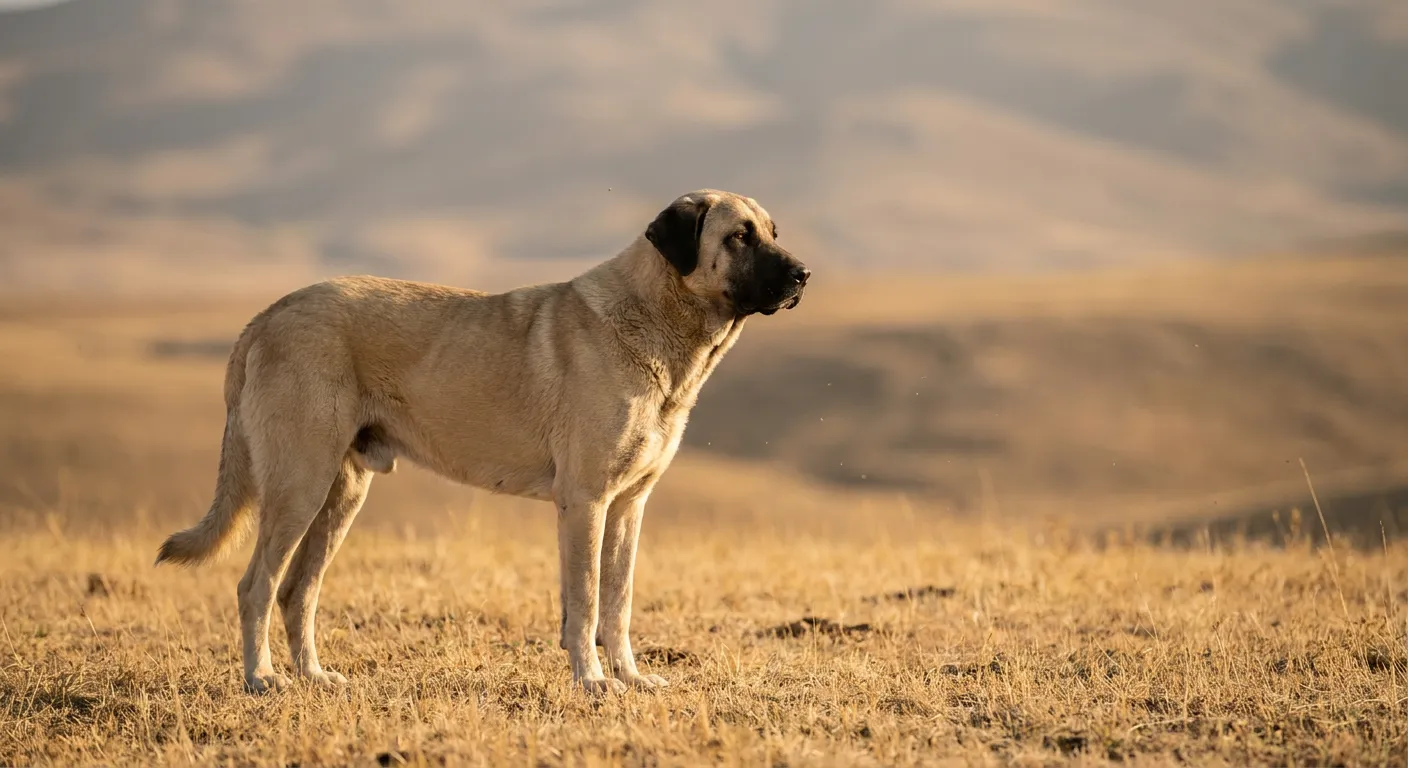
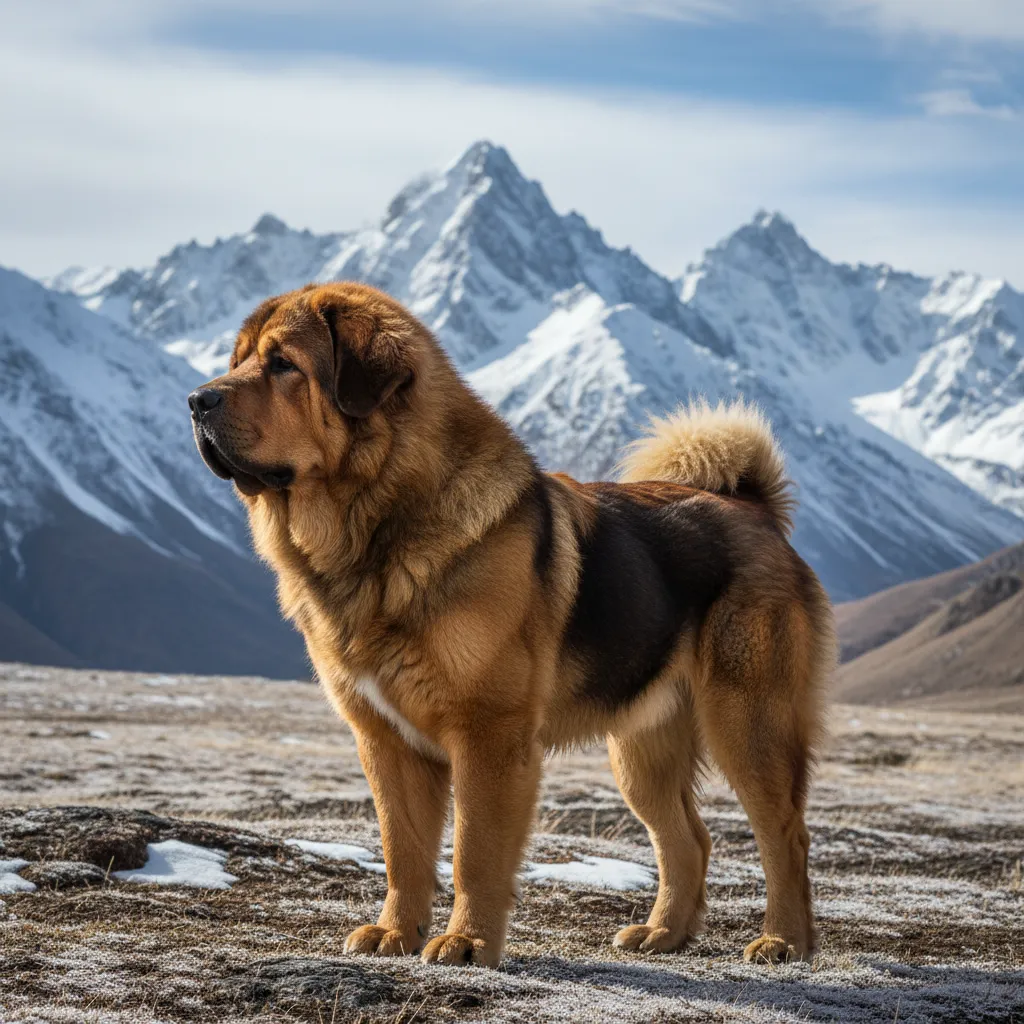
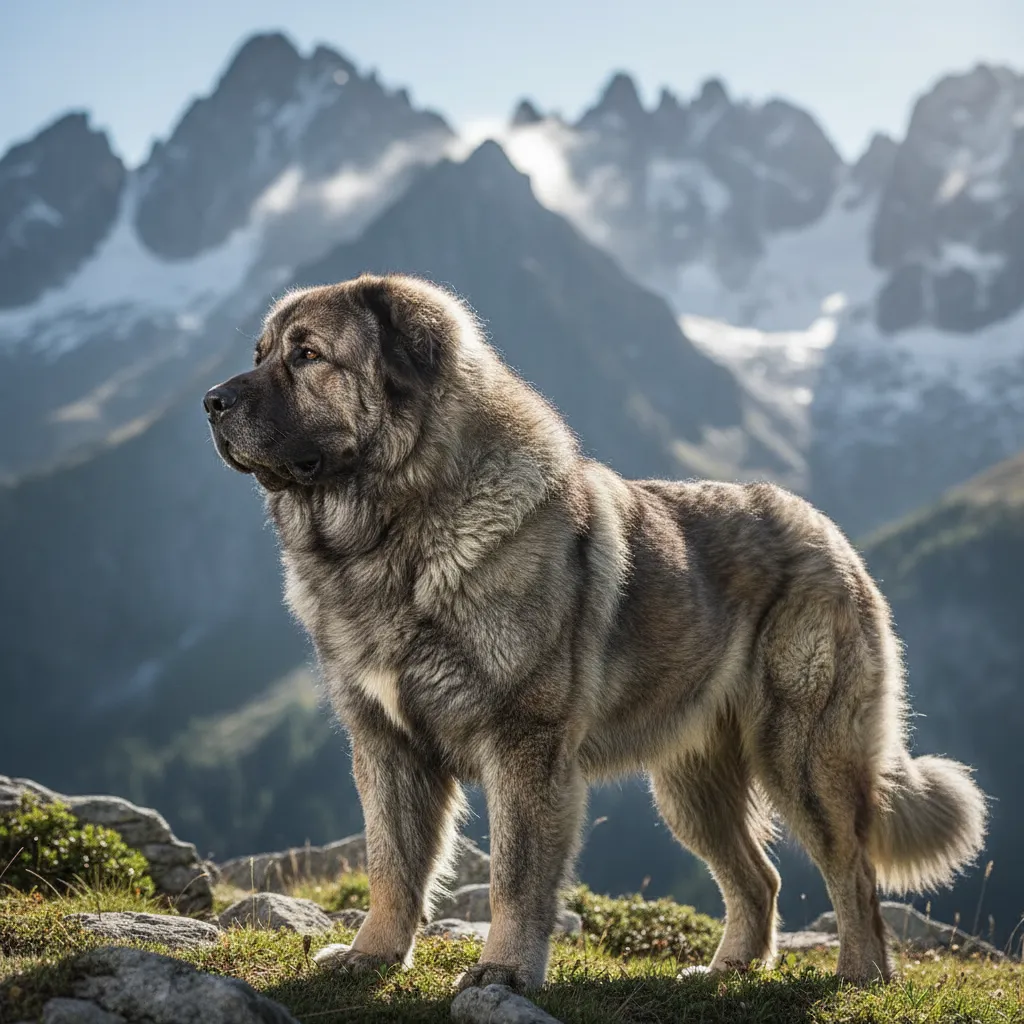
Tibetan Mastiff, an illustrated specimen plate
Plate, Tibetan Mastiff

The record

Size
Giant
Height at shoulder
26-29 inches
Weight
55-80kg
Lifespan
10-12 years
Group
FCI Group 2 (Molossoid/Mountain), AKC Working Group
Origin
Tibet (Himalayan Region)
Period
Ancient - possibly 1100 BC or earlier
Bred for
Guarding flocks, monasteries, and nomadic camps in the high Himalayas; nocturnal livestock guardian against wolves, leopards, and bears
Energy
Medium
Shedding
Very High
Trainability
Medium
Prey drive
Medium
Pack drive
Medium
Protectiveness
High
Sociability
Medium
Independence
High

Fiercely loyal yet stubbornly independent, the Tibetan Mastiff is a primitive guardian that thinks for itself rather than obeying commands - a majestic but demanding breed best left to experienced owners in cool climates.

TemperamentProtectiveIndependentAloof with strangersNocturnal guardian

1 recorded ancestor stand behind this breed, nearest first. Open any one of them for what is known about it.

The account

The Tibetan Mastiff is a night dog. On the Tibetan plateau it was tied or loose at the edge of a camp, monastery or village through the hours when wolves, leopards and bears moved, and it slept through much of the day. Owners who buy one expecting a large, calm companion routinely discover this the hard way, several weeks in, at two in the morning. The nocturnal rhythm is not a training problem. It is the breed.

Almost everything else about it follows from the same origin. It is enormous because it had to deter animals capable of killing livestock. It is coated like nothing else in the dog world because it worked above 4,000 metres. It is aloof because a guardian that greets everyone is not a guardian. And it is famously, structurally disobedient, not stupid, but selected over millennia to make decisions alone at night with no human within a kilometre. A Tibetan Mastiff will hear a command, evaluate it, and decline. That is the design.

Living with one is a matter of accepting terms rather than setting them. The breed bonds hard to its household and is often gentle and tolerant inside it, including with children it has grown up around. Outside that circle it defaults to suspicion, and it does not update easily. It needs a securely fenced area it can consider its territory, early and sustained socialisation to widen its tolerance, and an owner who understands that recall off a perceived threat will not be reliable. The coat blows out spectacularly once a year and needs real work during that period.

For India the climate is the deciding factor. This is a high-altitude cold-weather animal, and in the plains it faces months of heat it has no physiological answer to, shade, cooling and restricted daytime activity become year-round management rather than summer precautions. Add giant-breed health costs, hip and elbow problems, bloat risk, a ten-to-twelve-year ceiling, and an inflated market that has attracted a great deal of poor breeding, and the honest conclusion is that this breed belongs in the hills.
Questions people ask

Can a Tibetan Mastiff survive in hot, humid summers?
Tibetan Mastiffs are bred for sub-zero Himalayan temperatures and struggle badly in hot lowland regions summers. They are only suited for hill stations or air-conditioned homes in North. Expect heavy coat blowouts and lethargy in heat above 30C.
Is the Tibetan Mastiff good for first-time dog owners?
Absolutely not. Their extreme independence, stubbornness, and protective instincts require experienced handling. They will not obey blindly and need an owner who understands primitive guardian breed psychology.
How much does a Tibetan Mastiff cost?
A Tibetan Mastiff puppy from a reputable breeder costs 2-5 lakh. Monthly expenses for food, grooming, and vet care run 12,000-25,000. They are among the most expensive breeds to maintain.
Are Tibetan Mastiffs aggressive?
Not inherently aggressive, but they are intensely territorial and aloof with strangers. Early socialization is critical. They are nocturnal guardians by instinct and may bark through the night - a serious issue in apartment settings.

Nearby in the register

Back to the plate