Skip to content

FCI Group 5 (Spitz and Primitive Types), Section 6; AKC Hound Group · Central Africa (Democratic Republic of Congo region)

Basenji

The Basenji is the famous barkless dog from Central Africa, cat-like, ancient, and fiercely independent. Complete care guide with -specific tips on health, training, and availability.

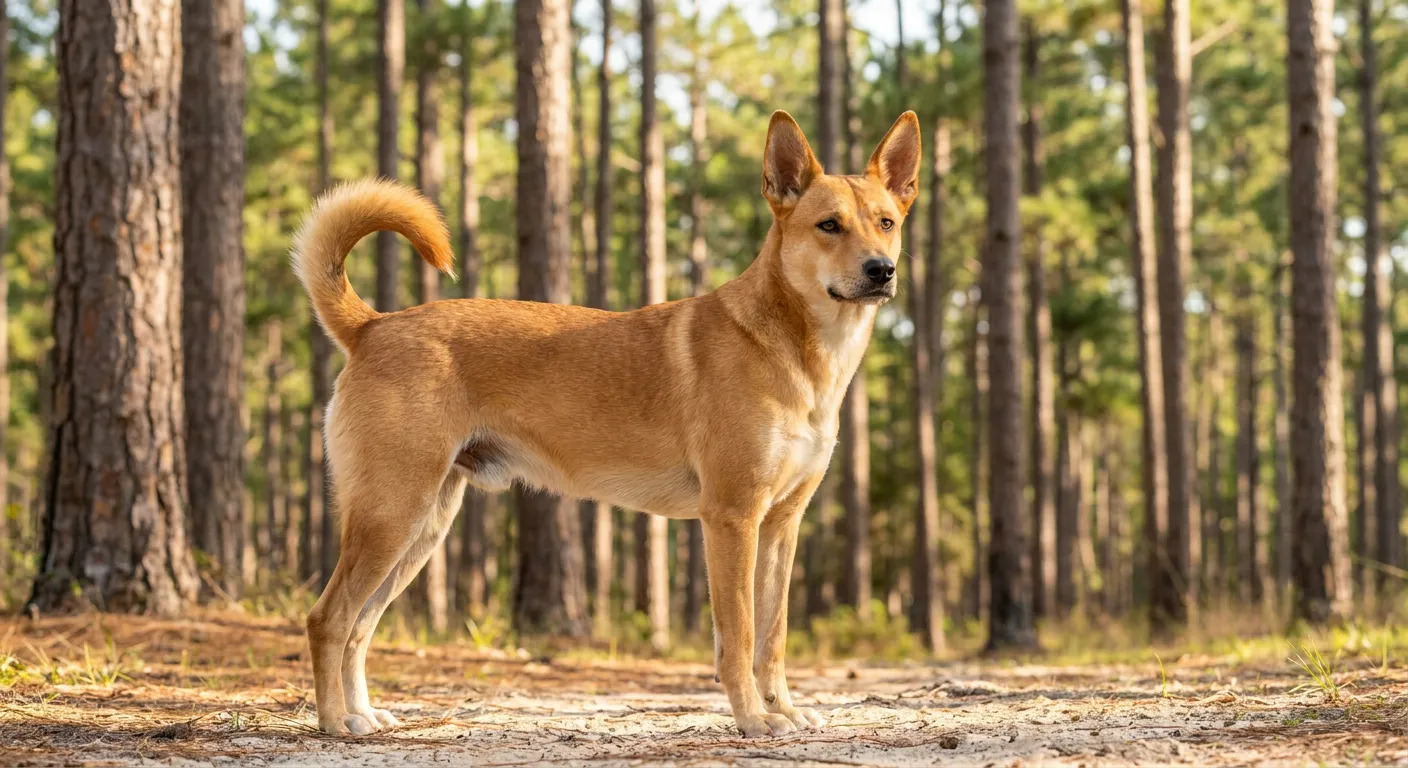
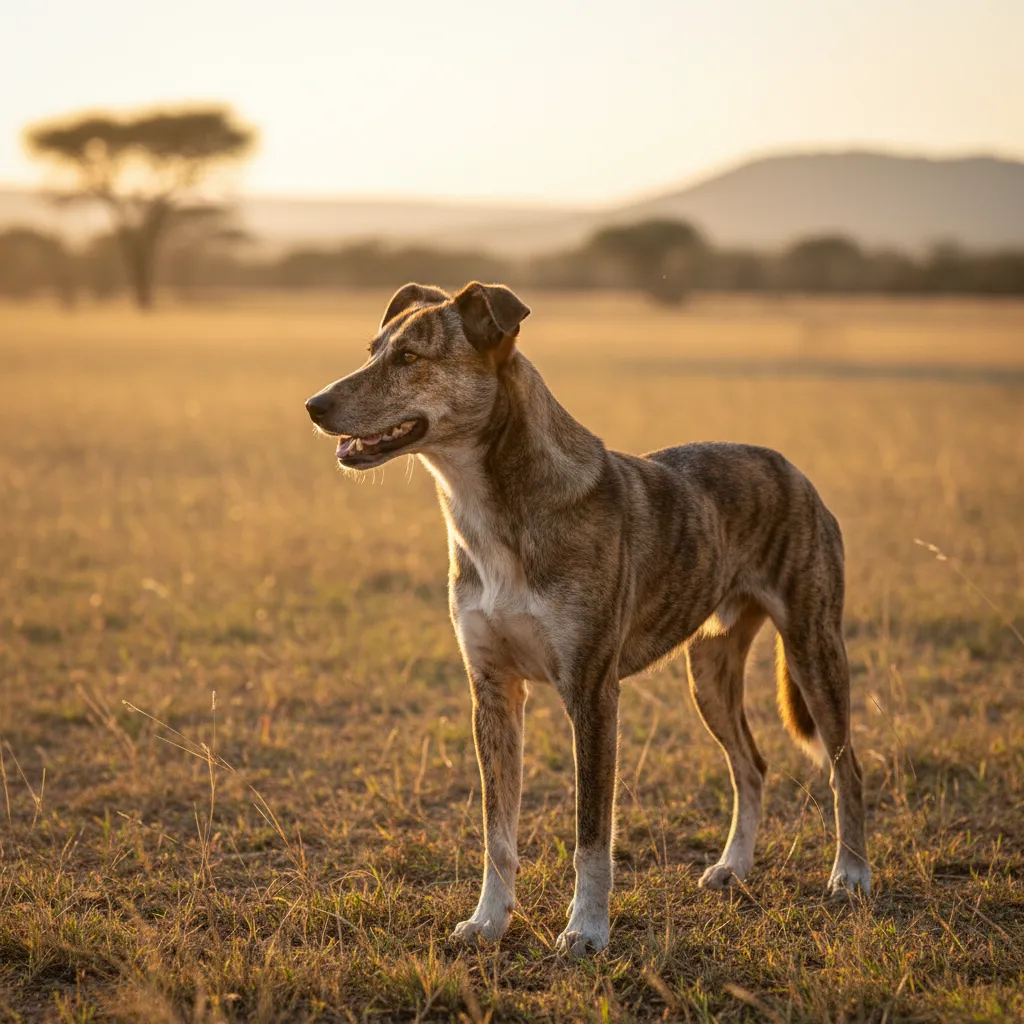
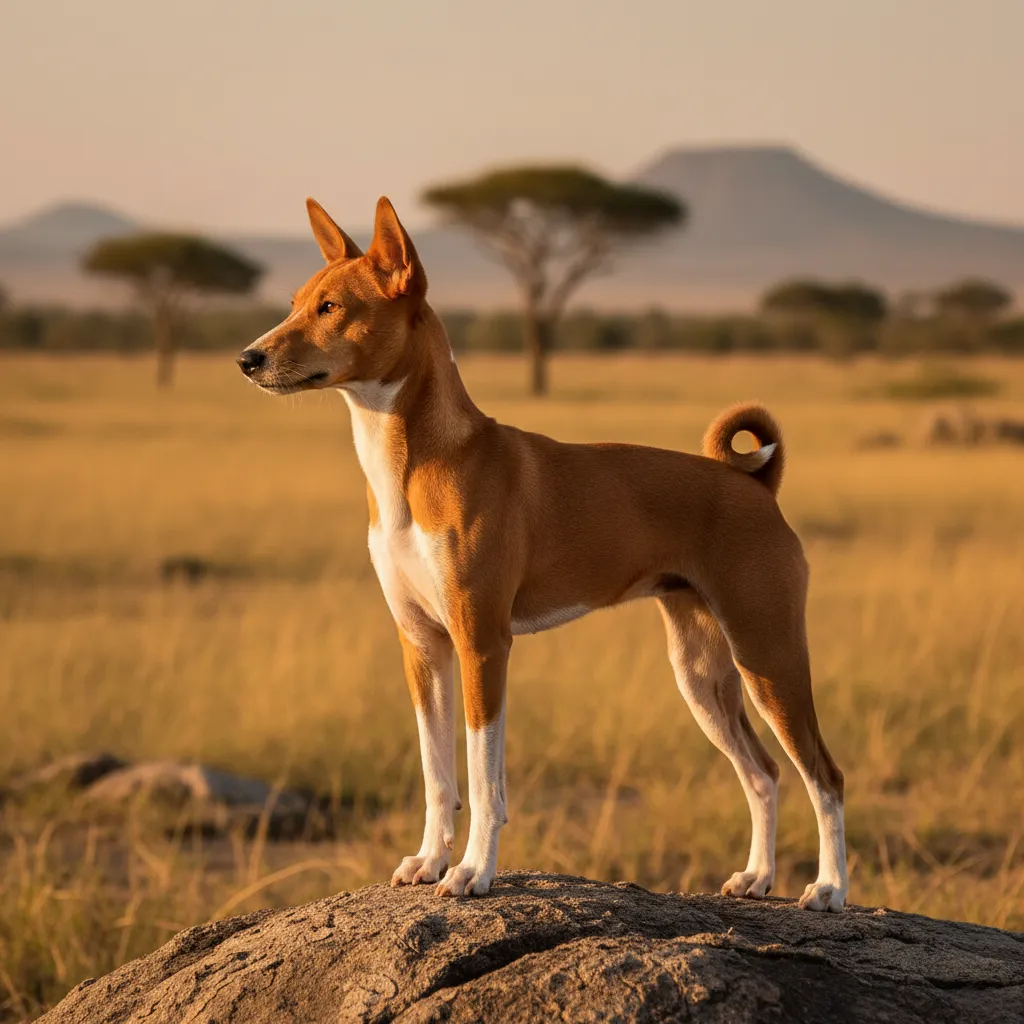
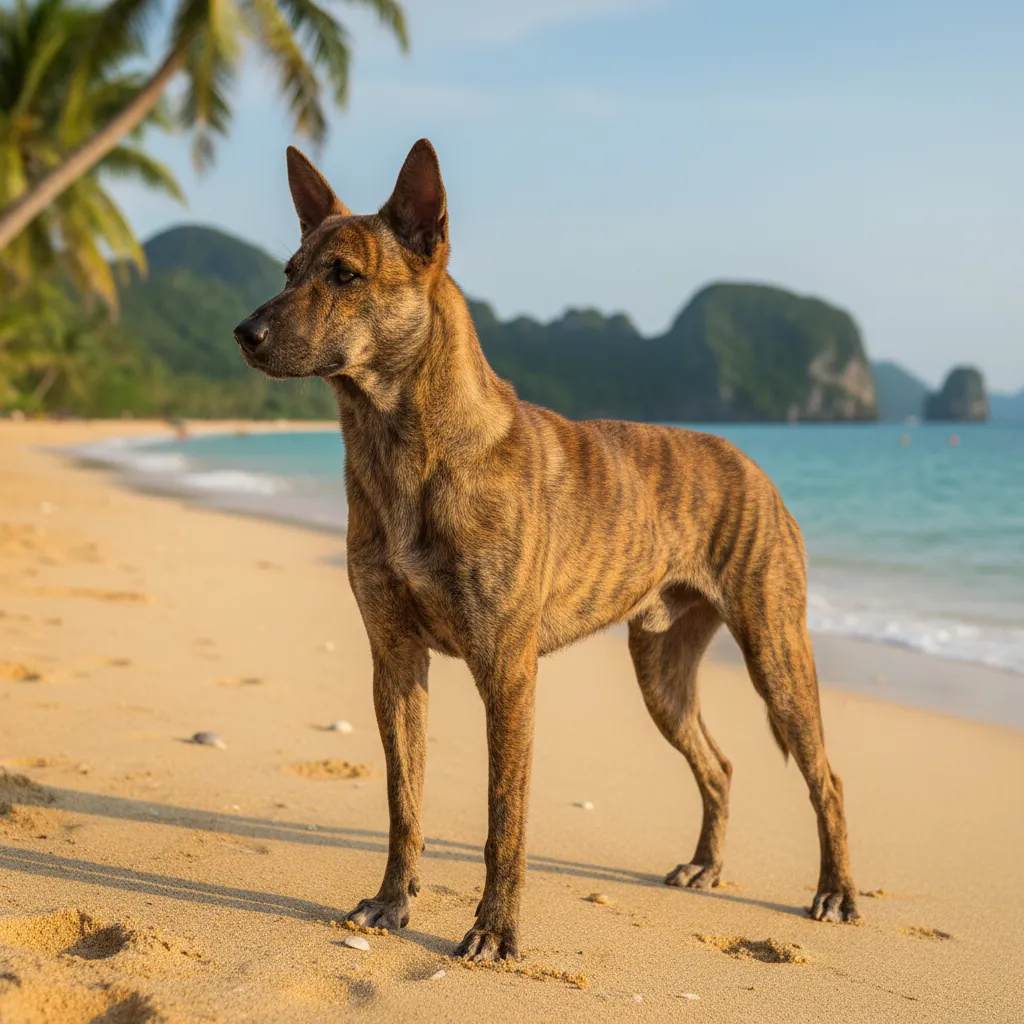
Basenji, an illustrated specimen plate
Plate, Basenji

The record

Size
Small
Height at shoulder
16-17 inches
Weight
9-11kg
Lifespan
13-14 years
Group
FCI Group 5 (Spitz and Primitive Types), Section 6; AKC Hound Group
Origin
Central Africa (Democratic Republic of Congo region)
Period
One of the oldest known dog breeds, depicted in ancient Egyptian tombs (~3000 BCE)
Bred for
Hunting by sight and scent in African forests; driving game into nets; companionship in Pygmy hunting camps
Energy
High
Shedding
Low
Trainability
Low
Prey drive
High
Pack drive
Medium
Protectiveness
Medium
Sociability
Medium
Independence
High

A cat-like, intelligent, and fiercely independent primitive hound that does not bark. Extremely clean and curious but stubbornly resistant to conventional training, requires patient, experienced handling and secure containment.

TemperamentBarklessPrimitiveCat-likeAncient

2 recorded ancestors stand behind this breed, nearest first. Open any one of them for what is known about it.

The account

The Basenji does not bark because it structurally cannot in the usual way. Its larynx is shaped differently from other dogs', and what comes out instead is a yodel, the baroo, along with a repertoire of screams, chortles and growls that owners learn to distinguish. It is worth being clear that this makes it a quiet dog only in the narrowest technical sense. A Basenji with an opinion is extremely audible.

It is one of the oldest identifiable dog populations on earth, from the Congo basin, where Pygmy and other forest communities used it to drive game into nets, sometimes with a wooden bell tied to the neck so the hunter could follow a dog working out of sight in dense cover. Dogs of unmistakably similar type appear in Egyptian tomb art from around 3000 BCE. Genetically the breed sits close to the base of the domestic dog tree, and several of its oddities follow from that ancientness, including a single annual heat cycle rather than the twice-yearly one of every other breed.

Living with one is often compared to living with a cat, and the comparison is more literal than usual: Basenjis groom themselves fastidiously, have almost no doggy odour, climb everything, and treat human instructions as suggestions to be evaluated. They are intensely curious, highly intelligent and famously destructive when bored. This is the breed that empties a kitchen while you are at work. The prey drive is absolute, recall is unreliable in principle, and secure containment is a requirement rather than a precaution.

The health picture is the serious part and the reason breeder choice matters more here than in most breeds. Fanconi syndrome, a kidney disorder that was once a major killer in the breed, now has a DNA test; so do progressive retinal atrophy and the pyruvate kinase deficiency that causes haemolytic anaemia. Immunoproliferative small intestinal disease also occurs. Ask for test results, not reassurances. On climate the Basenji does well, a short-coated tropical forest dog with genuine heat tolerance, which makes it one of the better-fitting exotic breeds for India, if you can find one and can live with its mind.
Questions people ask

Do Basenjis really not bark?
Basenjis do not produce a typical bark. Instead they make a unique yodel-like sound called a baroo, along with chortles and screams when excited. They are not silent, just not barkers.
Are Basenjis available?
Basenjis are rare but occasionally available through specialty breeders, mostly in metro cities. Expect to pay 40,000-80,000 for a puppy.
Can a Basenji live in apartment life?
Not recommended. Basenjis are extremely active, curious, and agile. They can easily scale a 6-foot fence. They need secure outdoor space.
Is the Basenji good for first-time dog owners?
No. Basenjis are famously cat-like and stubborn. They are difficult to train, prone to escaping, and require an owner who understands primitive breed psychology.

Nearby in the register

Back to the plate