The account
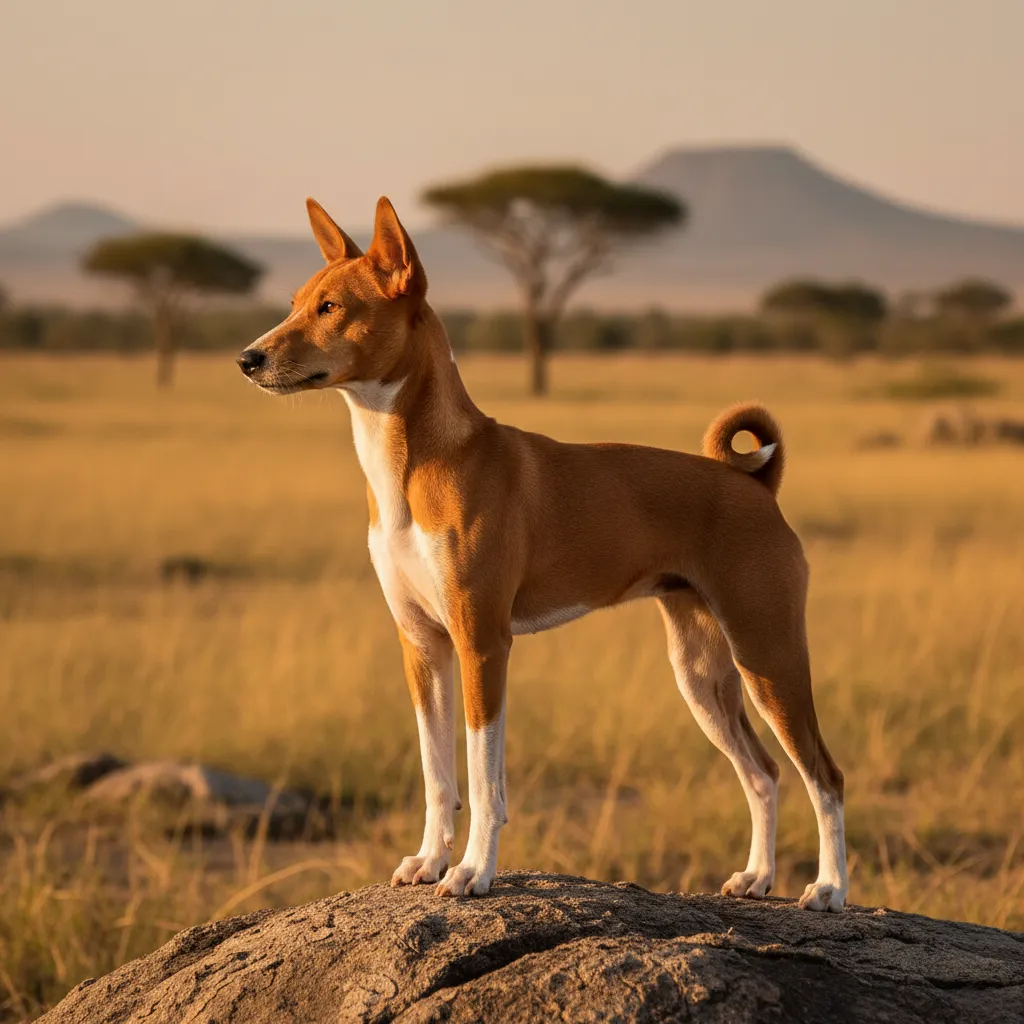
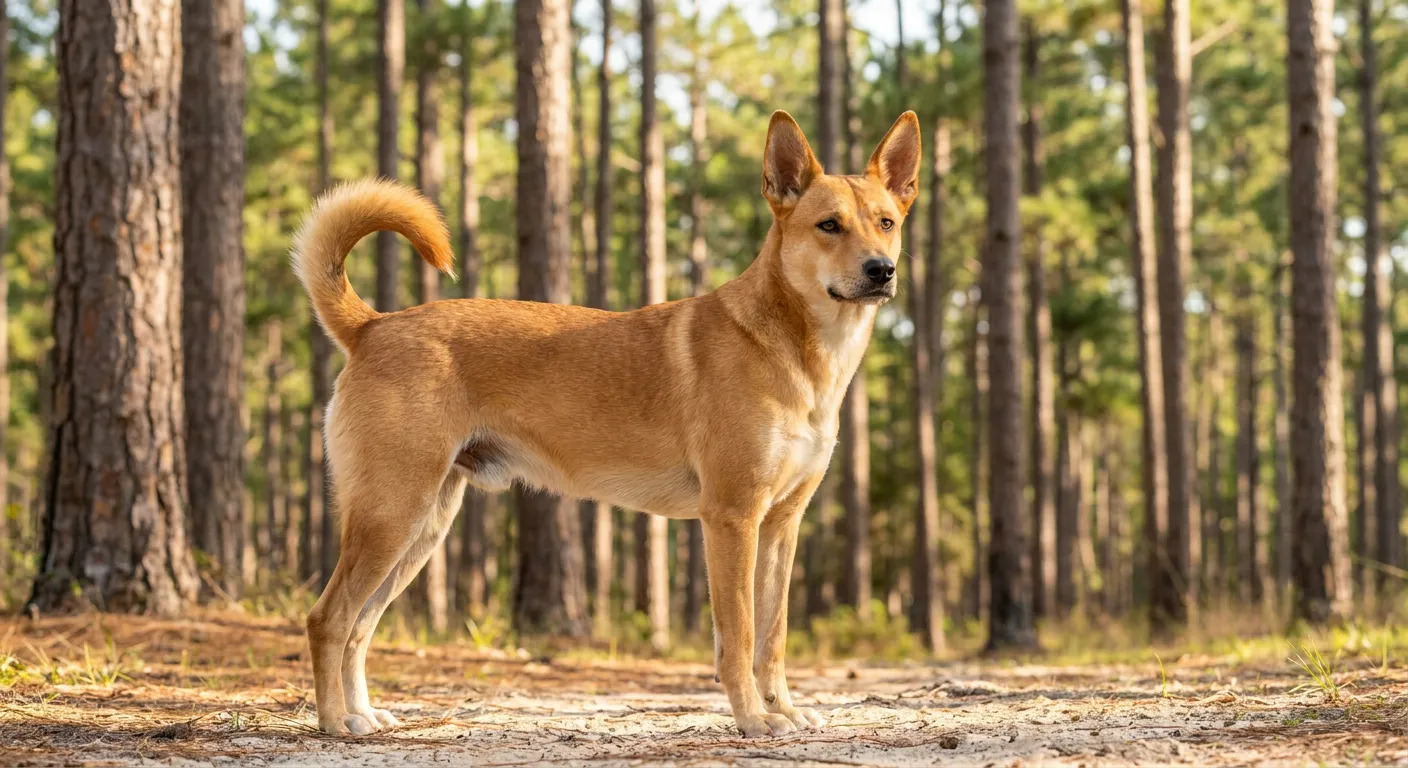
The Carolina Dog was not bred. It was found. In the 1970s an ecologist working on a nuclear reservation in South Carolina noticed free-living dogs in the swamps and pine barrens that all looked the same, ginger coats, fishhook tails, upright ears, and the same lean pariah build seen in village dogs across Asia and Africa. They had been living there, largely unnoticed and largely unmanaged, for a very long time.
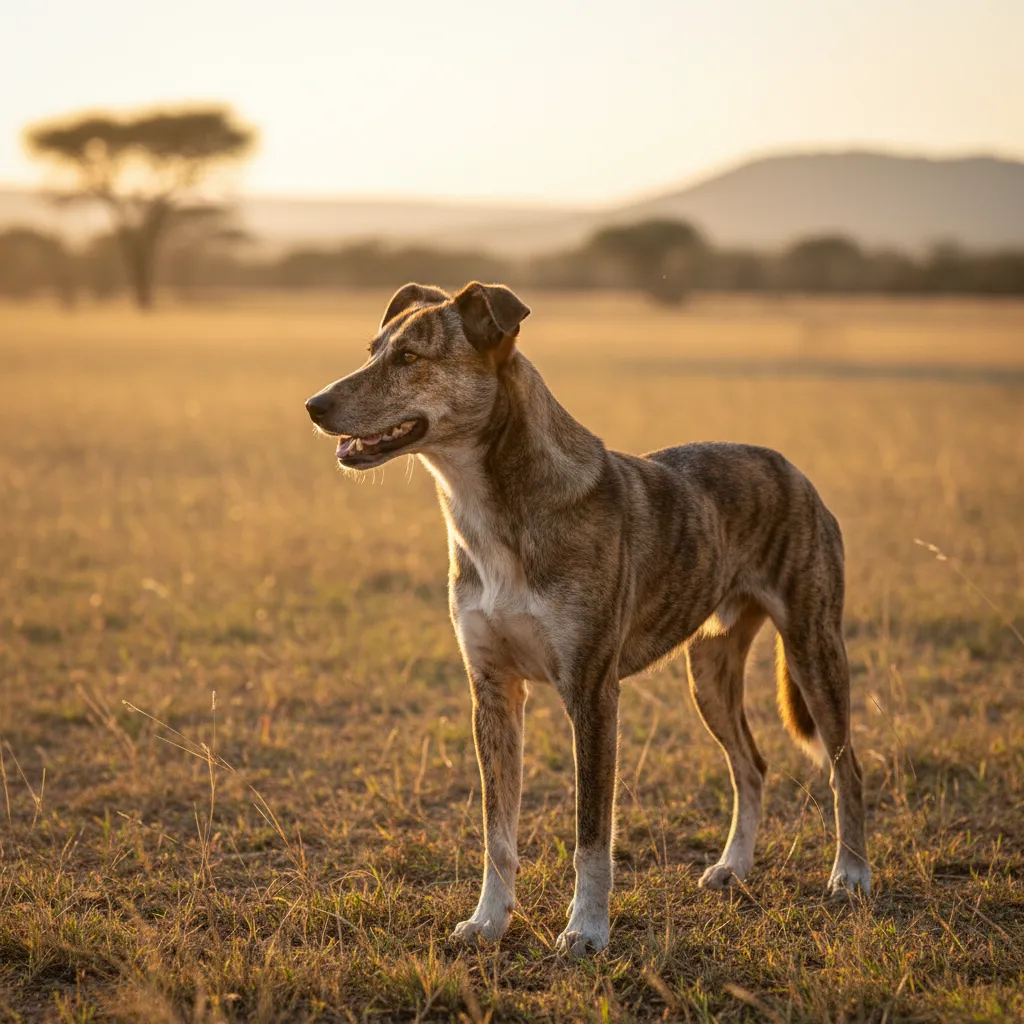
That convergence is the interesting part. Left to itself in a warm climate, the dog reverts to a consistent shape: mid-sized, short-coated, ginger, with a curled tail and a cautious temperament. The Carolina Dog, the Indian Pariah, the Africanis and Australia's Dingo all arrived at it independently. For Indian readers this makes the breed less a realistic acquisition than a useful mirror, the pariah dog on your street is the same evolutionary answer.
As a companion it behaves like what it is. Carolina Dogs are wary of strangers, slow to trust, and intensely loyal once they have decided. They form real hierarchies with other dogs, they hunt, and they retain behaviours domestication usually erases, the snout pits females dig, the waste burying, the pack coordination.
Their health is exceptional. Natural selection has left almost no inherited disease, and they routinely live twelve to fifteen years with little veterinary intervention. If you want that biology in India, adopt an Indie. It is the same story, locally written, and there are millions of them.
-1759995710148.webp/1920.webp)