Skip to content

FCI Group 10 (Sighthounds) · Bangladesh (Bengal Region)

Bangladeshi Hound

The Bangladeshi Hound is a medium Bangladesh breed: A lean, heat-adapted sighthound with strong hunting instincts and a gentle family disposition - one. Complete care guide with -specific tips.

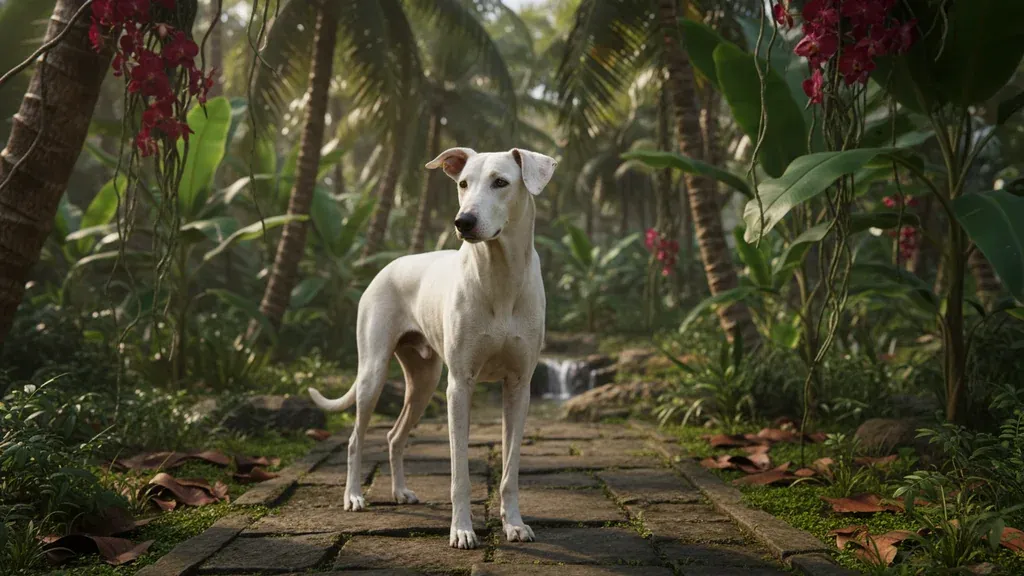
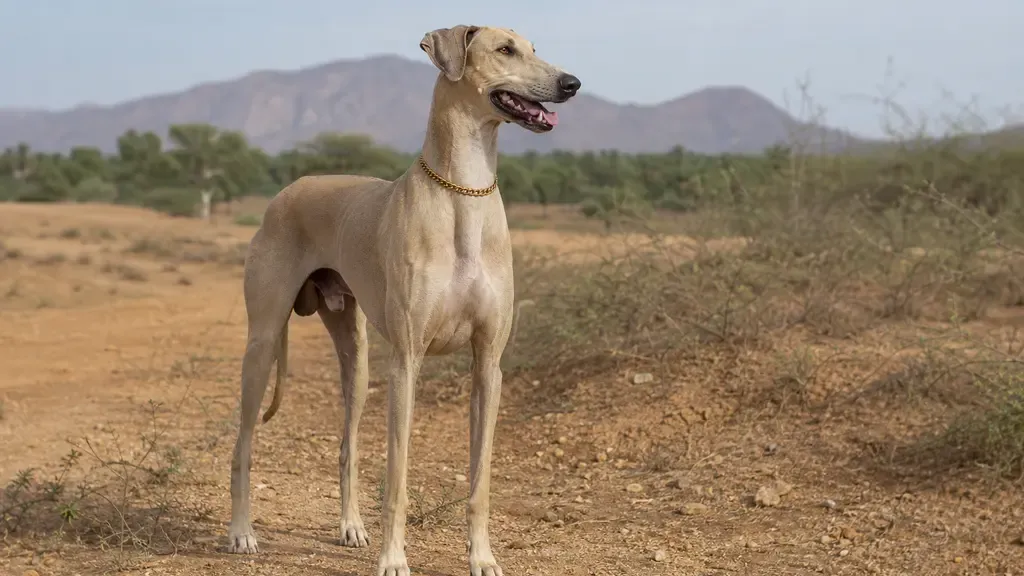
Bangladeshi Hound, an illustrated specimen plate
Plate, Bangladeshi Hound

The record

Size
Medium
Height at shoulder
22-26 inches
Weight
20-30kg
Lifespan
10-14 years
Group
FCI Group 10 (Sighthounds)
Origin
Bangladesh (Bengal Region)
Period
Ancient - indigenous landrace of the Bengal delta region
Bred for
Hunting small game and hare in the riverine plains and marshlands of Bangladesh; also used as a watchdog in rural villages
Energy
High
Shedding
Low
Trainability
Medium
Prey drive
High
Pack drive
Medium
Protectiveness
Medium
Sociability
Medium
Independence
Medium

A lean, heat-adapted sighthound with strong hunting instincts and a gentle family disposition - one of the few breeds naturally suited to a hot and humid climate, though its extreme rarity makes it nearly impossible to acquire.

TemperamentAgileHeat-tolerantSighthound instinctGentle with family

4 recorded ancestors stand behind this breed, nearest first. Open any one of them for what is known about it.

Indian Pariah (Indie)Indian Pariah (Indie)Living breedAncient landrace, thousands of years oldIndia

Still livingIndian Pariah

The account

The honest starting point for this entry is that the Bangladeshi Hound is barely documented. It is reported as an indigenous sighthound-type dog of the Bengal delta, lean, heat-adapted, used on hare and small game in the riverine plains and kept as a village watchdog, and beyond that the record consists of regional accounts rather than any organised study. There is no standard, no registry, no breed club and no population survey.

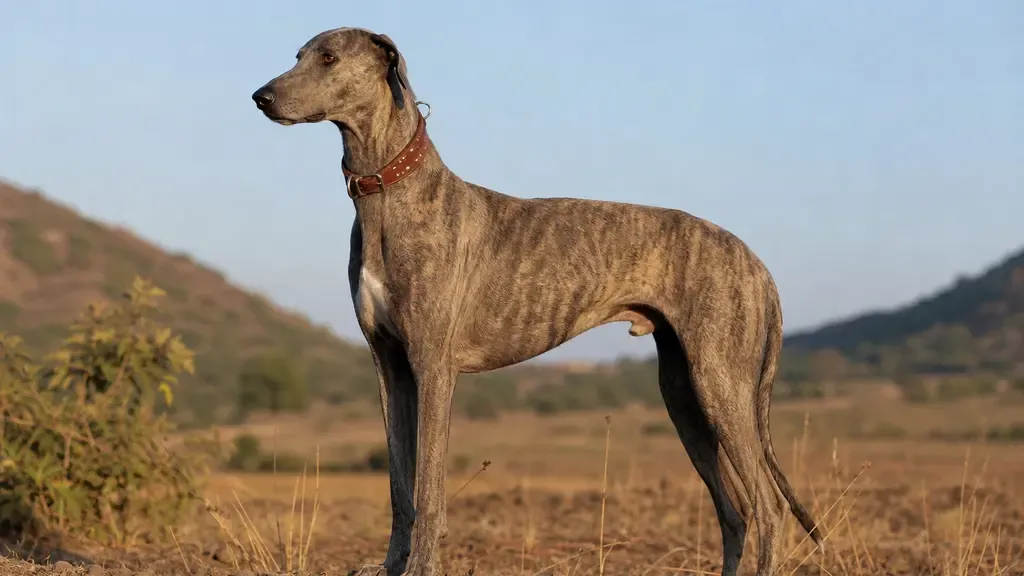
What can be said with more confidence is the context. The Bengal delta is one of the hottest and most humid inhabited regions on earth, and dogs bred there converge on a predictable specification: light frame, short thin coat, long legs, minimal body fat, and an ability to work in conditions that would kill a northern breed in an afternoon. The hounds described in Bangladesh belong to the same broad South Asian group as the Mudhol, the Rampur and the eastern Indian sighthounds, which is unsurprising given that none of these populations were ever separated by anything but distance.

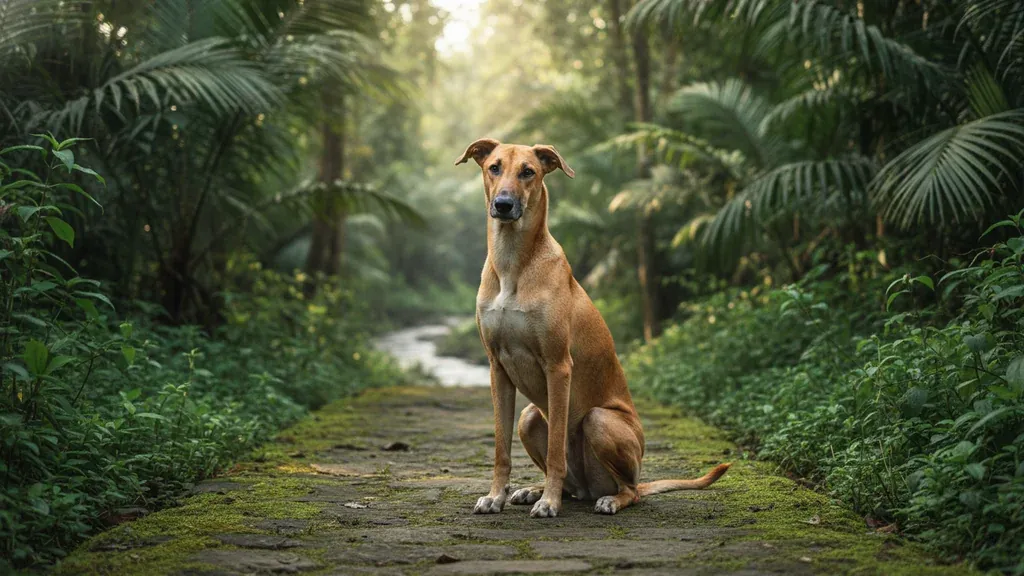
Behaviourally the accounts are consistent with the type, high prey drive, moderate independence, gentle within its own household, and reserved rather than aggressive with strangers. A dog like this needs enclosed ground to sprint on, tolerates heat effortlessly, and requires very little grooming or veterinary intervention. Its weak point in the delta climate is skin and ear infection during the monsoon, which is true of every short-coated dog in that part of the world.

For a reader in India this is best treated as a record of a type rather than a breed to acquire. There is no way to verify what a dog sold under this name actually is, and no breeding infrastructure on either side of the border. The genuinely useful takeaway is that the eastern subcontinent has its own sighthound tradition, mostly unwritten, and that the dogs still exist in rural Bengal and Bangladesh whether or not anyone gets around to recording them.
Questions people ask

Is the Bangladeshi Hound a recognised breed?
No, the Bangladeshi Hound is not recognised by AKC, FCI, or any major kennel club. It is an indigenous landrace/sighthound type from the Bengal delta, kept by rural communities.
How does the Bangladeshi Hound handle tropical heat?
Extremely well. This breed is native to the hot, humid Bengal delta and is naturally adapted to tropical climates. Its short coat and lean build make it one of the most heat-tolerant breeds for hot, humid conditions.
Where can I find a Bangladeshi Hound?
The breed is virtually unavailable through any formal channel. Occasional specimens may be found in border areas of West Bengal, Assam, and Tripura.

Nearby in the register

Back to the plate