-1759995710148.webp/1920.webp)
The account
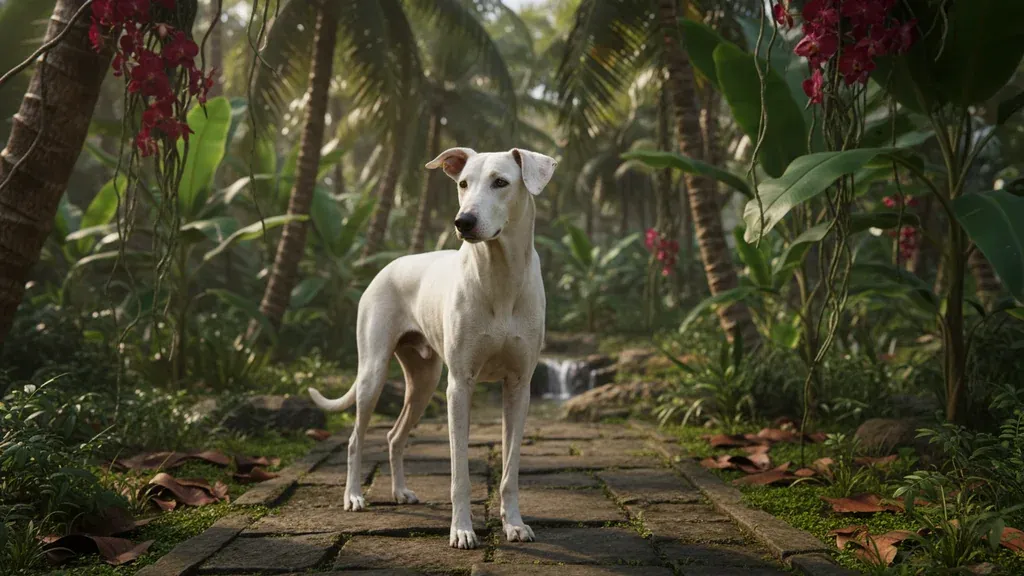
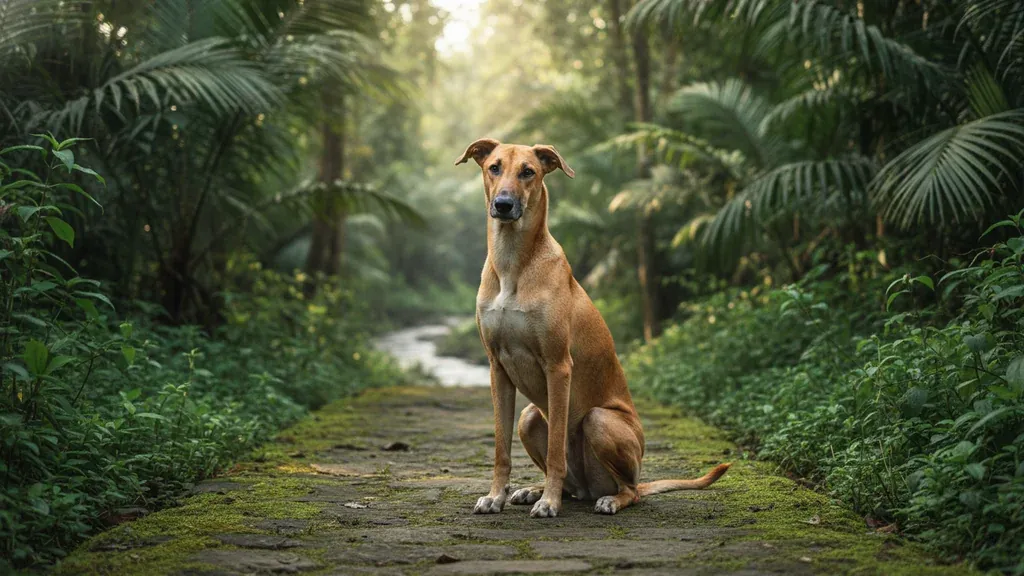
The Soriala Greyhound is the least documented sighthound in this register, and that is worth saying plainly before anything else. It is reported from West Bengal as a fine-boned coursing hound used on hare across the open plains, finer and smaller in build than the Rampur Greyhound. Beyond that the record is oral and local. There is no standard, no registry, no photographic archive of consequence, and no organised population to point to.
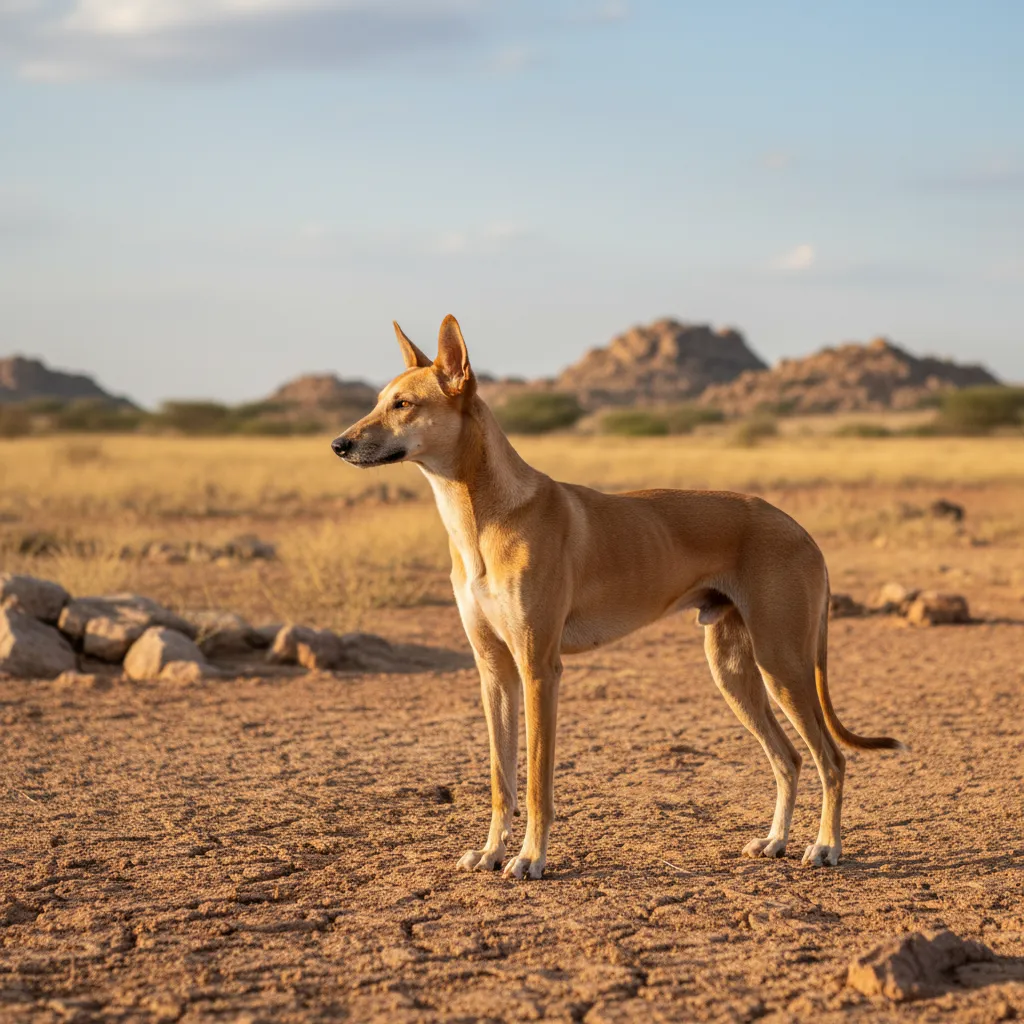
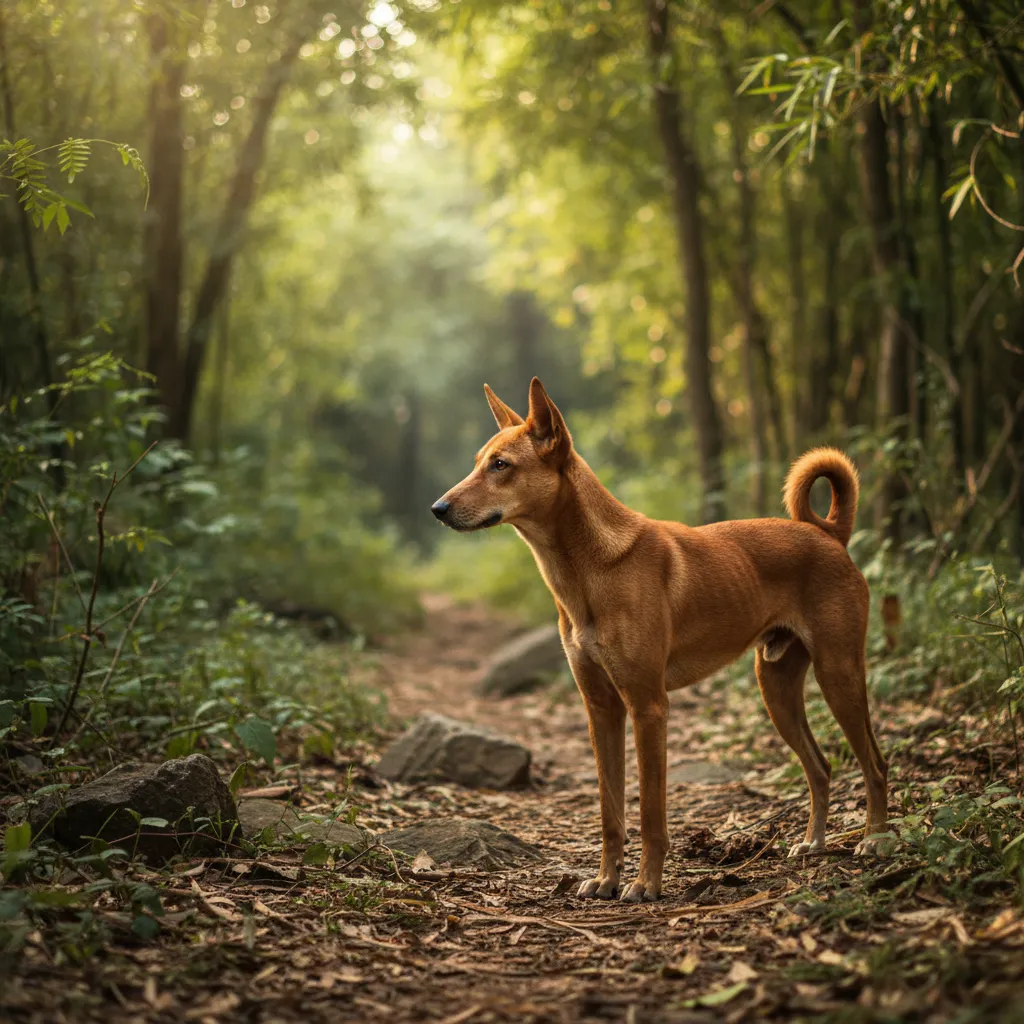
What the accounts agree on is the shape and the job. Bengal's cultivated plains and fallow scrub suit a light, quick hound that turns tightly rather than one built for sustained pursuit, and the Soriala is described as exactly that, narrow, elegant, quiet, with the short coat and lean frame common to every sighthound bred in a hot country. It sits at the eastern end of a chain of Indian coursing hounds that runs across the subcontinent, and shares the same probable ancestry: village pariah stock refined against imported Saluki-type dogs over an unknown period.
Temperamentally it is reported as gentle and somewhat shy, a dog that attaches quietly to one household and does not seek attention beyond it. Owners of the eastern hounds describe animals that are undemanding indoors and transformed outdoors, which is the sighthound pattern everywhere. The needs follow from that: enclosed space to sprint, a soft training hand, protection from monsoon damp and skin infection, and realistic expectations about recall around wildlife.
For a prospective owner the honest position is that this is not an acquirable breed. If you are in Bengal and you find dogs of this type being kept by people who have always kept them, that is worth documenting. For everyone else the Soriala is best understood as a reminder of how much of India's dog population has never been recorded, and of how quickly an unwritten landrace disappears once the work it was bred for stops.