The account
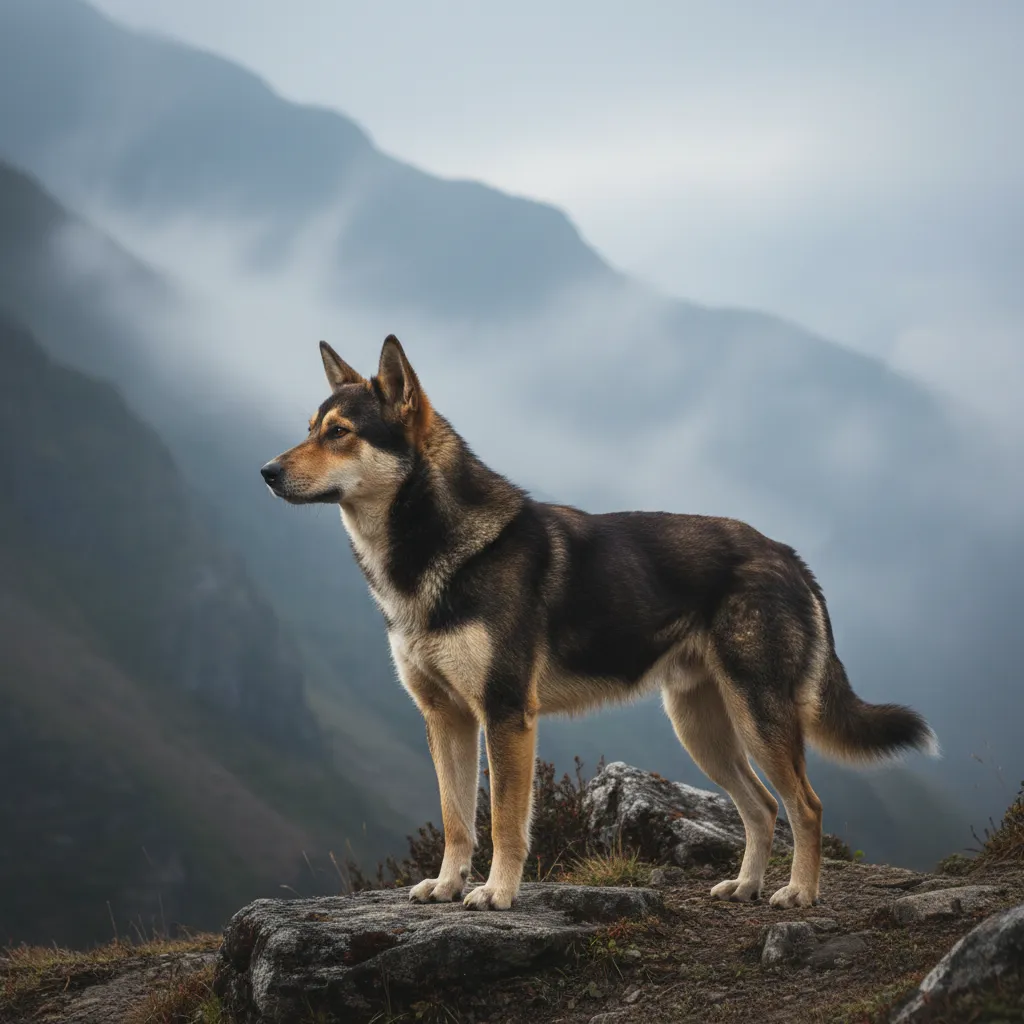
The Khala is a Nepali herding dog, and that alone makes it worth recording. The Himalayan foothills are full of guardian breeds, the mastiff types that sit with a flock and confront predators, but the dogs that actually move livestock across that terrain are far less discussed. The Khala is one of them: a medium, agile, high-energy dog used by hill and mountain families to shift sheep, goats and cattle along paths that a heavier animal could not work.
The build and temperament follow the job. Herding at altitude requires stamina, sure-footedness and the ability to read both stock and handler continuously, and the Khala is described as intelligent, responsive and strongly bonded, a working dog that stays in dialogue with its person rather than one that operates alone. That is a real difference from the guardian breeds of the same region, and it makes the Khala far more trainable than a Bangara or a Gaddi Kutta, with correspondingly higher demands for mental work.
Living with one means treating it as the working animal it is. High energy, high intelligence and strong attachment produce an excellent companion for an active household and a destructive, anxious dog in an under-stimulated one. The herding instinct is intact, which in a family setting usually shows up as circling and gathering behaviour directed at children, manageable with early redirection, but present. It is also a watchful dog with a real defensive streak, so socialisation matters.
Documentation is the weak point. The Khala has no standard, no registry and very little written record beyond regional accounts, and it shades into the broader population of Himalayan working dogs at its edges. It suits cool hill climates and would struggle badly in the Indian plains. For most readers this is a breed to know rather than to seek, but if you are looking for the Himalayan herding type rather than the guarding type, this is the dog that fills that space.
-1759995710148.webp/1920.webp)