Skip to content

FCI Group 2 (Molossian) / AKC Foundation Stock Service (Working) · Central Asia (Turkmenistan, Kazakhstan, Uzbekistan, Kyrgyzstan)

Central Asian Shepherd Dog

The Central Asian Shepherd, or Alabai, is a 4000-year-old livestock guardian from Central Asia. Fearless, independent, and moderately available in North, complete care guide.

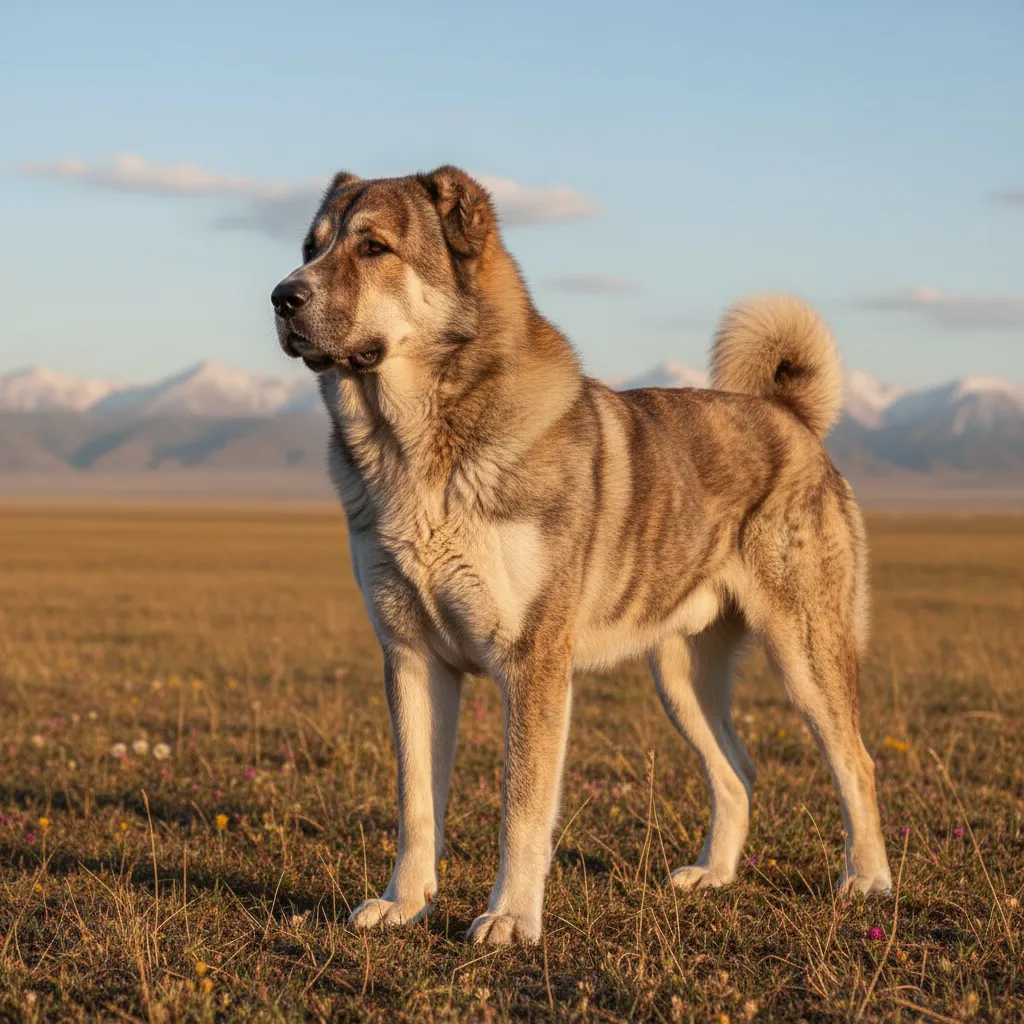
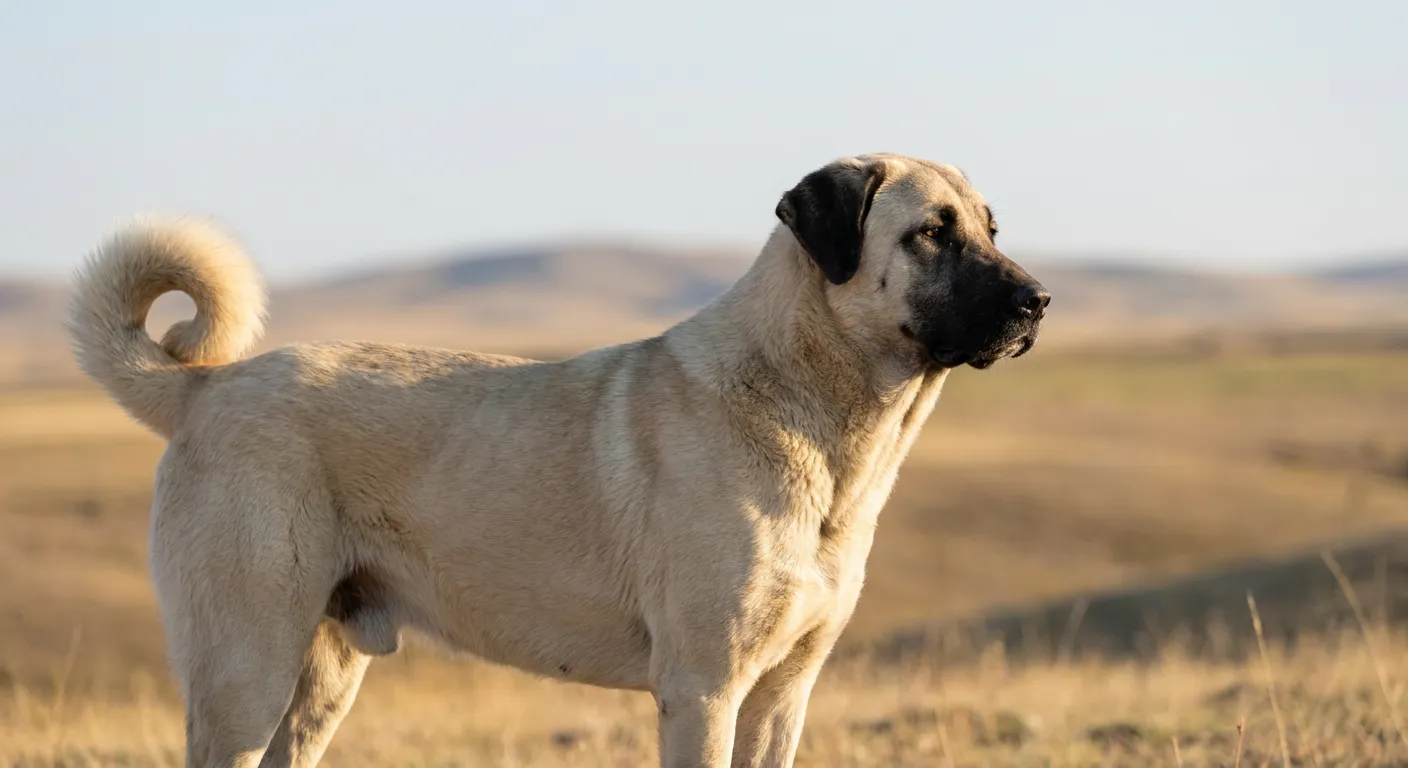
Central Asian Shepherd Dog, an illustrated specimen plate
Plate, Central Asian Shepherd Dog

The record

Size
Giant
Height at shoulder
25-32 inches
Weight
55-80kg
Lifespan
10-15 years
Group
FCI Group 2 (Molossian) / AKC Foundation Stock Service (Working)
Origin
Central Asia (Turkmenistan, Kazakhstan, Uzbekistan, Kyrgyzstan)
Period
Ancient (4000+ years)
Bred for
Livestock guardian protecting flocks from wolves, snow leopards, and bears; caravan and property guard
Energy
Medium
Shedding
High
Trainability
Low
Prey drive
High
Pack drive
Medium
Protectiveness
High
Sociability
Low
Independence
High

An ancient, fiercely independent livestock guardian with legendary courage against wolves and big cats. The Central Asian Shepherd is calm and steady with its family but intensely territorial and unsuitable for novice handlers.

TemperamentFearlessIndependentTerritorialSteadfast

3 recorded ancestors stand behind this breed, nearest first. Open any one of them for what is known about it.

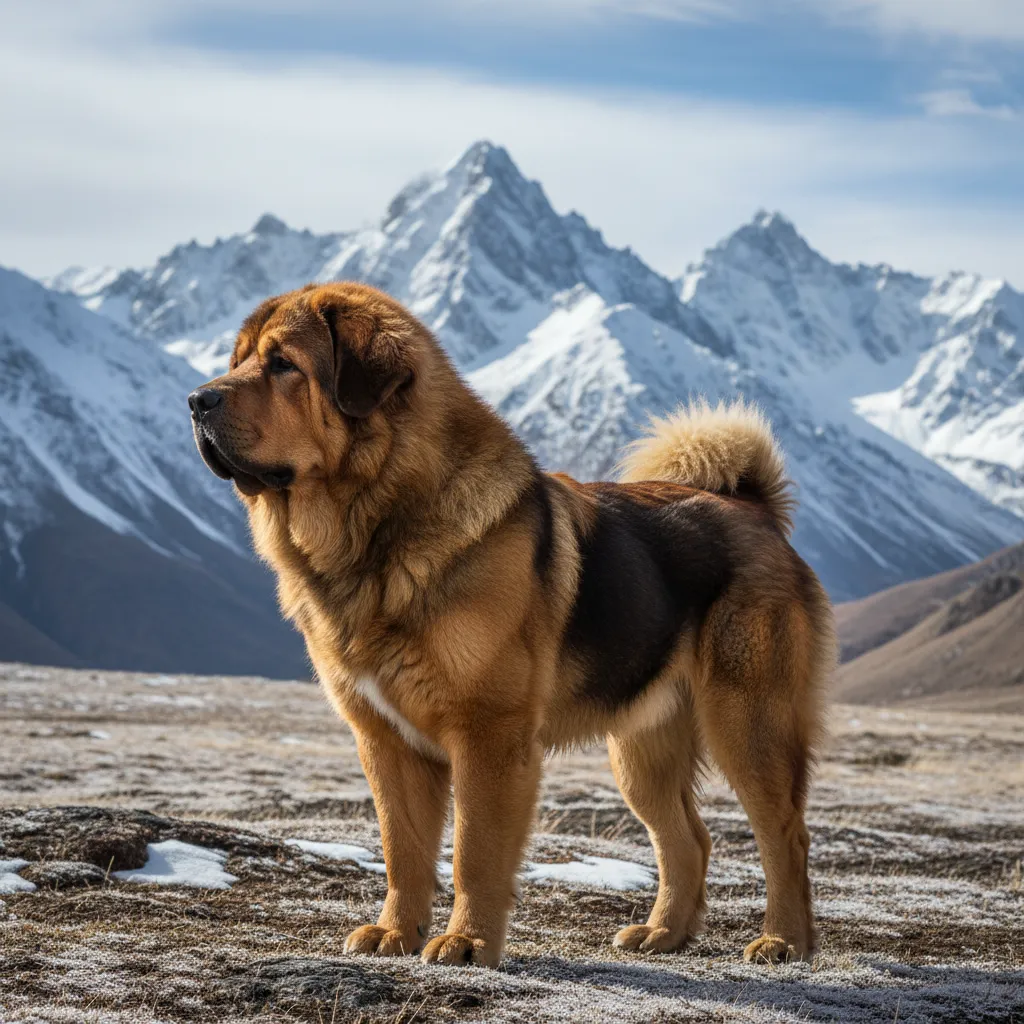
Tibetan MastiffTibetan MastiffLiving breedAncient - possibly 1100 BC or earlierTibet (Himalayan Region)

Still livingTibetan Mastiff

The account

The Central Asian Shepherd, Alabai in Turkmenistan, where it is a national symbol, is one of the oldest working dog populations on earth, and unlike almost every breed in this register it was never really redesigned by anybody. Herders across Turkmenistan, Kazakhstan, Uzbekistan and Kyrgyzstan have run these dogs with flocks for four thousand years against wolves, snow leopards and bears, and the selection has been continuous and entirely practical.

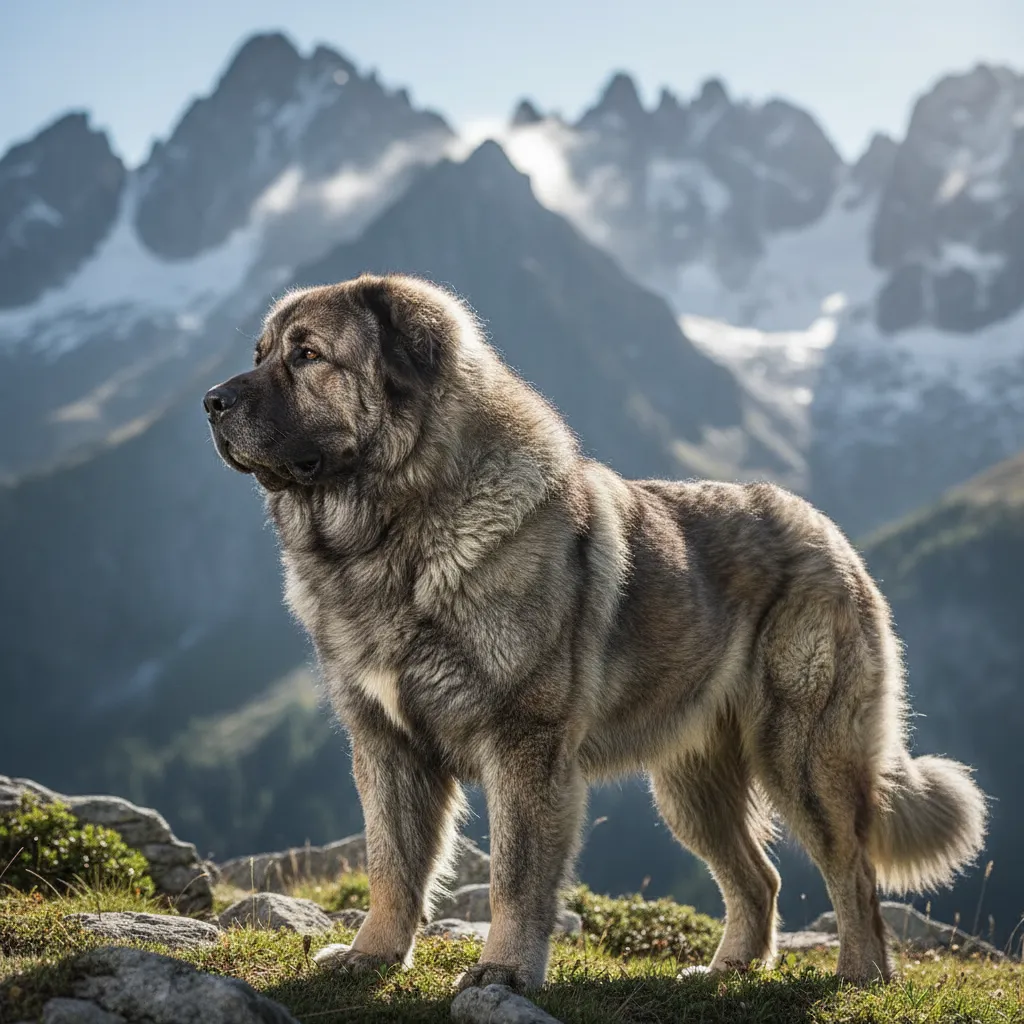
That continuity shows in a dog that is noticeably more functional than its Caucasian cousin. The Alabai is large but not grotesque, athletic for its size, moderately coated rather than smothered in hair, and it lives longer than most giant breeds, twelve to fifteen years is normal, which is remarkable for an animal of this mass. It is also more stable and less indiscriminately reactive than the Caucasian Shepherd, which is why it has spread further as a working guardian outside its home region.

The temperament is guardian in the classic sense and needs to be understood on those terms. An Alabai is calm, unhurried and undramatic, deeply attached to its household and livestock, and completely indifferent to obedience for its own sake. It assesses, positions and escalates in stages, and it does this alone because that is what it was bred to do. Training establishes relationship and boundaries; it does not establish control over the dog's judgement of a threat. Same-sex dog aggression is common and should be planned for.

For Indian owners the practical picture is better than for most giant guardians but still narrow. The Central Asian steppe has hot summers as well as cold winters, so the breed tolerates heat considerably better than a Tibetan Mastiff or a Caucasian Shepherd, though a humid coastal summer is still hard on it. It needs land, a boundary and an experienced handler, and it is entirely unsuited to apartments and to households with frequent unfamiliar visitors. Availability through importers is moderate; hip dysplasia and bloat are the health items to plan around.
Questions people ask

Why is the Central Asian Shepherd popular in North?
The Alabai (as it is locally known) has become popular in Punjab, Haryana, and Delhi as an estate and farm guardian. Its thick coat handles North mild winters well, and its natural guarding instincts require minimal training. Puppies are available from 30,000 to 1,00,000.
How does the Alabai handle tropical heat?
While it has a dense double coat, the Alabai is surprisingly adaptable. In hot, humid summers, it sheds heavily and needs shade, cool water, and limited daytime activity. It copes better than the Caucasian Shepherd but worse than short-coated breeds.
Can I train a Central Asian Shepherd like a normal dog?
No. This is a primitive, independent landrace breed that does not obey for the sake of pleasing. Training must focus on mutual respect, early socialization, and clear boundaries. Force-based methods will backfire dangerously.

Nearby in the register

Back to the plate