Skip to content

FCI Group 2 (Molossoid, Mountain type) / AKC Working Group · Turkey (Anatolian plateau)

Anatolian Shepherd

The Anatolian Shepherd is a rugged Turkish livestock guardian bred for endurance and independent judgement. Reserved, powerful, and low-maintenance, complete care guide for owners.

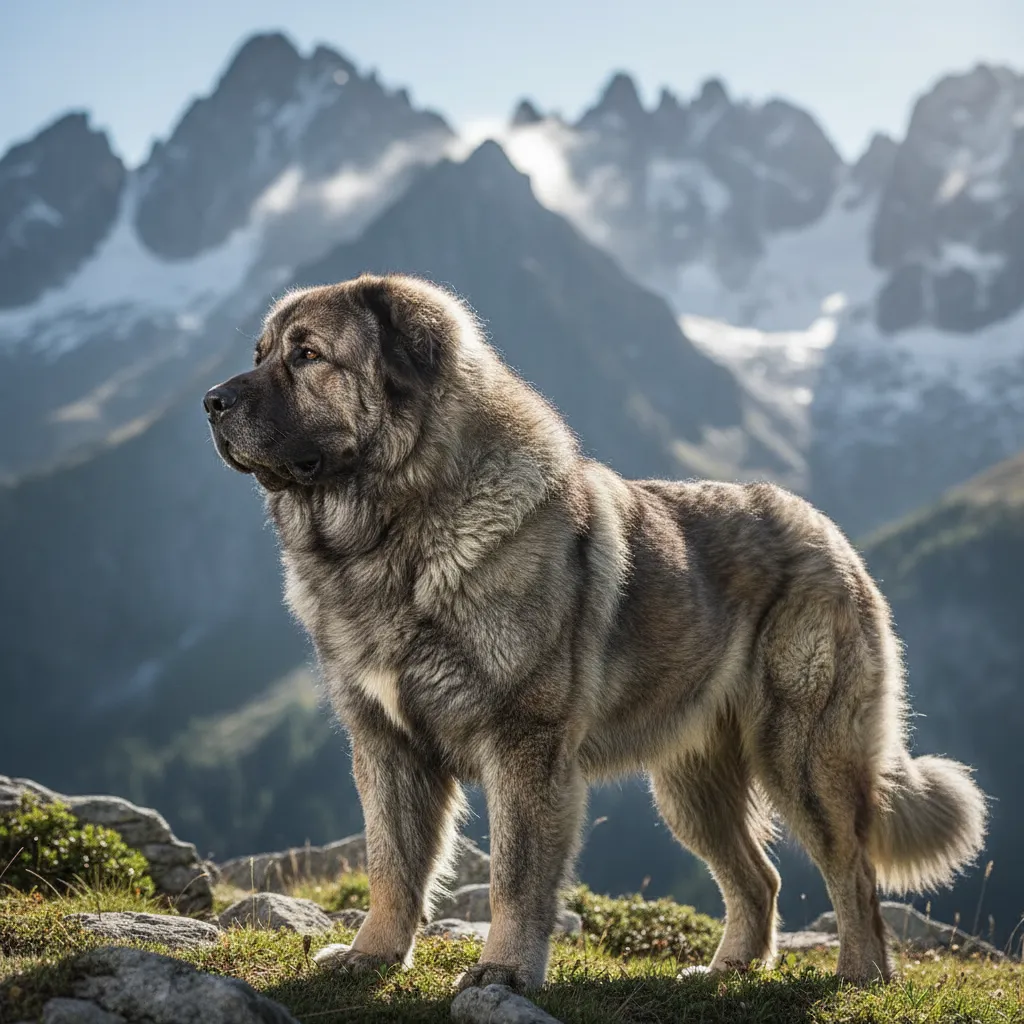
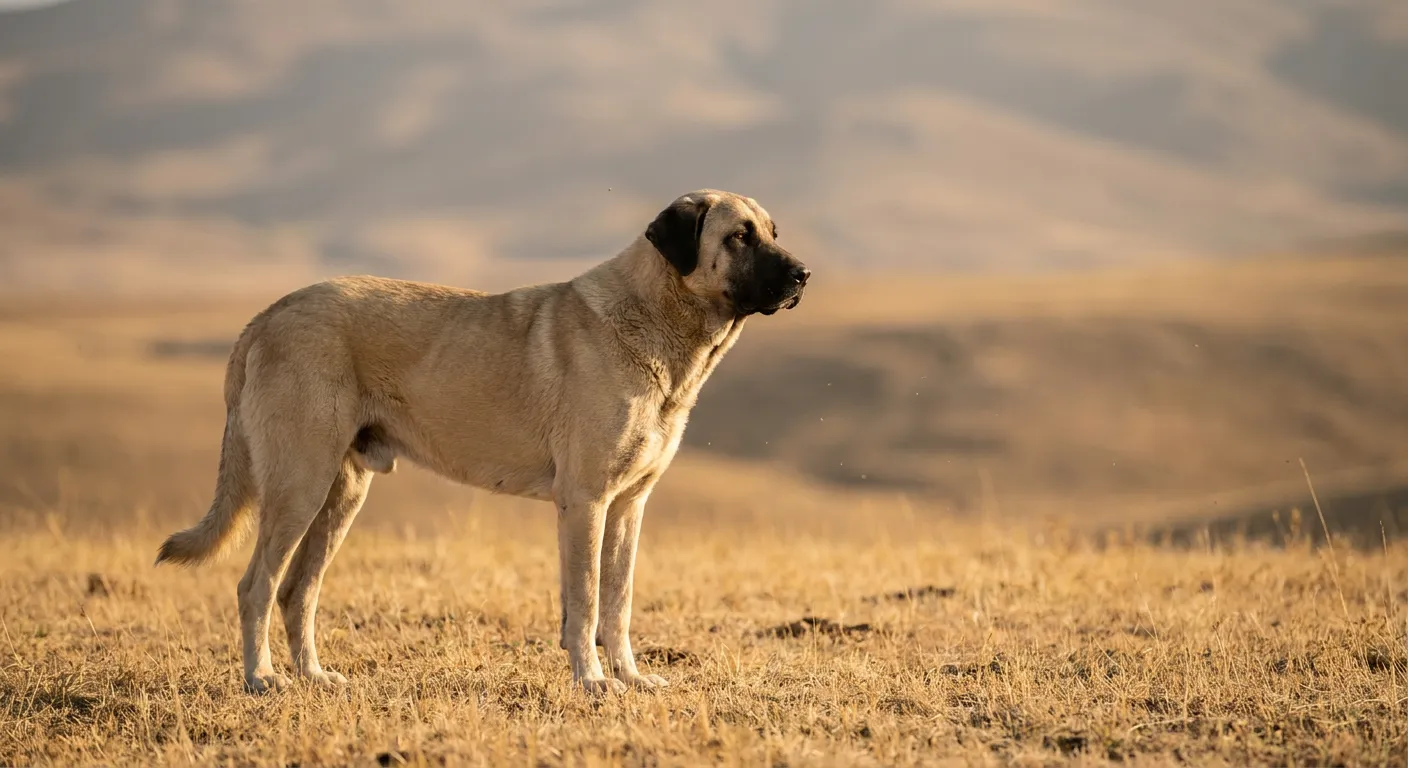
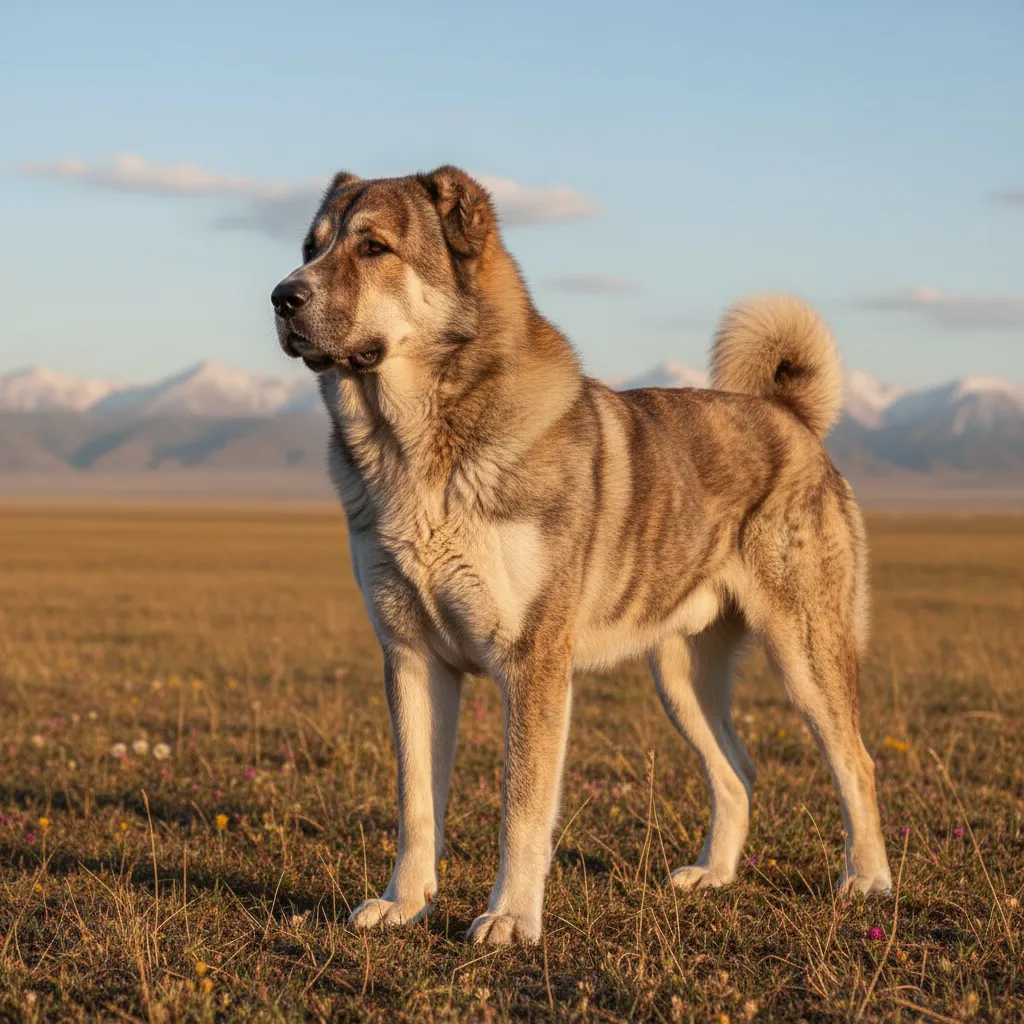
Anatolian Shepherd, an illustrated specimen plate
Plate, Anatolian Shepherd

The record

Size
Giant
Height at shoulder
27-32 inches
Weight
40-65kg
Lifespan
11-13 years
Group
FCI Group 2 (Molossoid, Mountain type) / AKC Working Group
Origin
Turkey (Anatolian plateau)
Period
Ancient, guardian stock in the region for several thousand years
Bred for
Guarding sheep and goats against wolves and bears on open plateau
Energy
Medium
Shedding
High
Trainability
Medium
Prey drive
Low
Pack drive
Medium
Protectiveness
High
Sociability
Low
Independence
High

A reserved, highly observant guardian that thinks before it acts and rarely seeks attention. The Anatolian bonds strongly to its household and its stock while remaining indifferent to strangers, and it expects to be trusted with decisions rather than directed.

TemperamentReservedWatchfulIndependentSteady

1 recorded ancestor stand behind this breed, nearest first. Open any one of them for what is known about it.

The account

The Anatolian Shepherd is built for distance rather than confrontation. Where the heavier guardian breeds of the Caucasus were shaped by dense forest and close ambush, the Anatolian worked open plateau, covering ground all day beside migrating flocks. It is leaner, longer-legged and more athletic than its size suggests, and it can trot for hours.

Its defining trait is judgement. A good Anatolian does not react to everything; it watches, categorises and mostly does nothing. Shepherds valued this because a dog that charged every movement was useless on a plateau full of movement. Owners often describe the breed as aloof or unresponsive, which misreads a dog that is constantly assessing and has simply concluded that you are fine.

That same independence makes formal obedience a limited tool. Anatolians learn quickly and comply selectively, and they will ignore a recall if they have judged something more important. Containment therefore has to be physical: solid fencing, properly gated, with the understanding that a bored Anatolian will test it methodically.

The breed has found a genuine modern niche in conservation. In Namibia, the Cheetah Conservation Fund places Anatolians with farmers to guard goat herds, which has sharply reduced retaliatory killing of cheetahs, a working dog solving a conservation problem by doing exactly what it was bred for four thousand years ago.
Questions people ask

What is the difference between an Anatolian Shepherd and a Kangal?
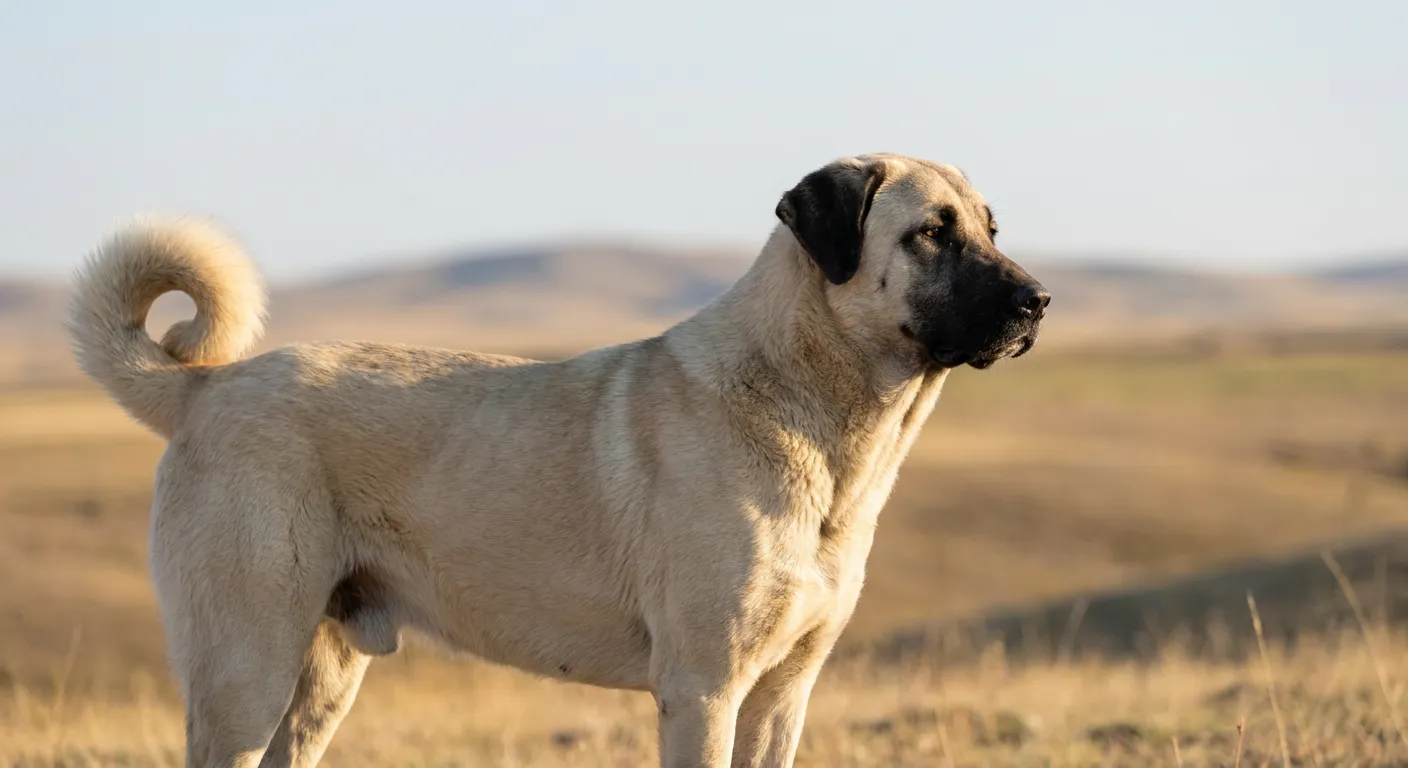
They overlap heavily and the distinction is partly political. Turkey treats the Kangal as a specific regional breed with a defined fawn coat and black mask, while Anatolian Shepherd is used internationally for the broader Turkish guardian landrace including several coat types. Many registered Anatolians are Kangal-derived.
Can an Anatolian Shepherd live in an Indian city?
It is a poor fit. This is a working guardian that needs territory, a job and space to patrol. Without those it becomes reactive and destructive. Farm and estate settings suit it; flats do not.
How do they cope with heat?
Better than most giant breeds. Anatolia has hot dry summers and the breed sheds heavily into a lighter summer coat. Humid coastal conditions are much harder, provide deep shade and avoid daytime exertion.
Are Anatolian Shepherds good with other dogs?
They tolerate dogs they have grown up with, particularly household or farm animals they consider part of their charge. Strange dogs entering their territory are a different matter, and same-sex conflict is common.
How much grooming do they need?
Very little for most of the year, a weekly brush is enough. Twice a year they blow coat comprehensively and will need daily brushing for a few weeks.

Nearby in the register

Back to the plate