Skip to content

FCI Group 2 (Molossoid) / AKC Working Group · France (Bordeaux and Aquitaine)

Dogue de Bordeaux

The Dogue de Bordeaux is an ancient French mastiff with the largest head of any dog breed. Devoted, calm, and short-lived, an honest care guide for prospective owners.

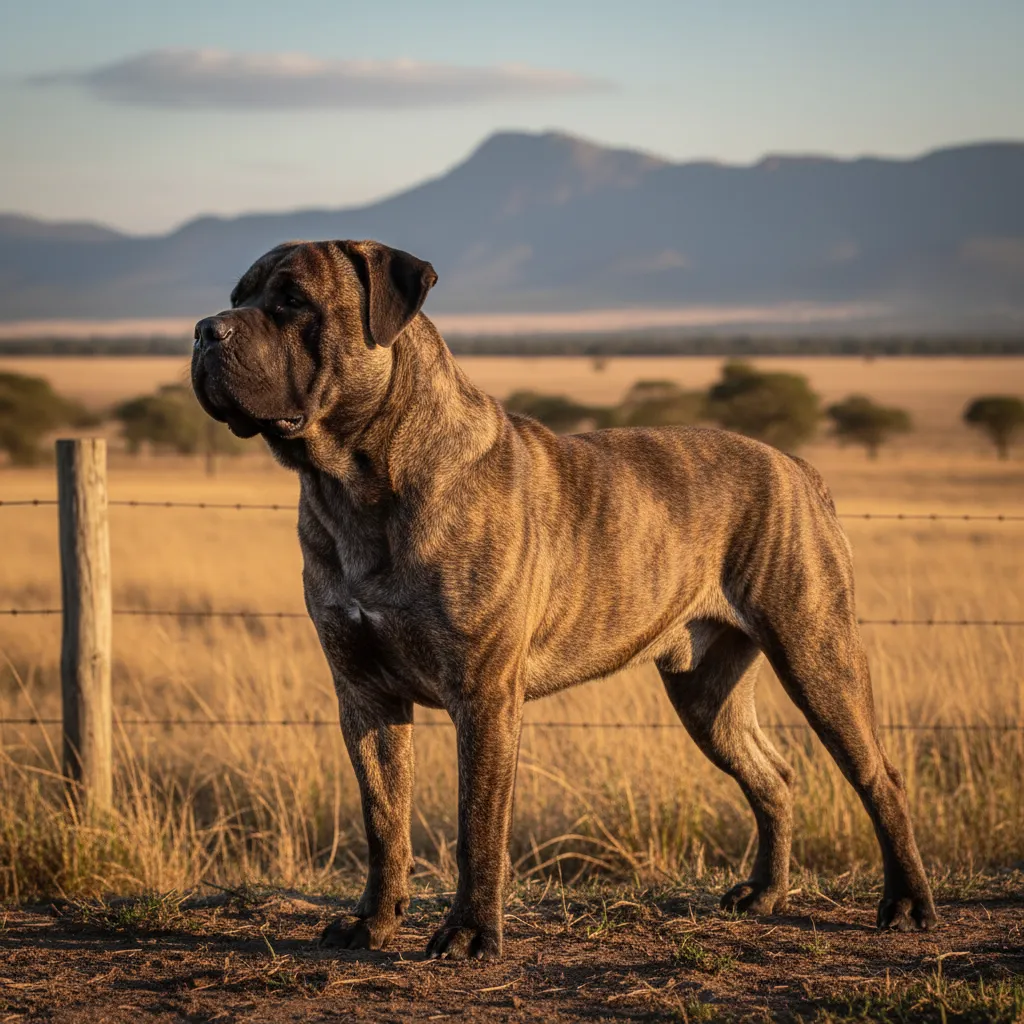
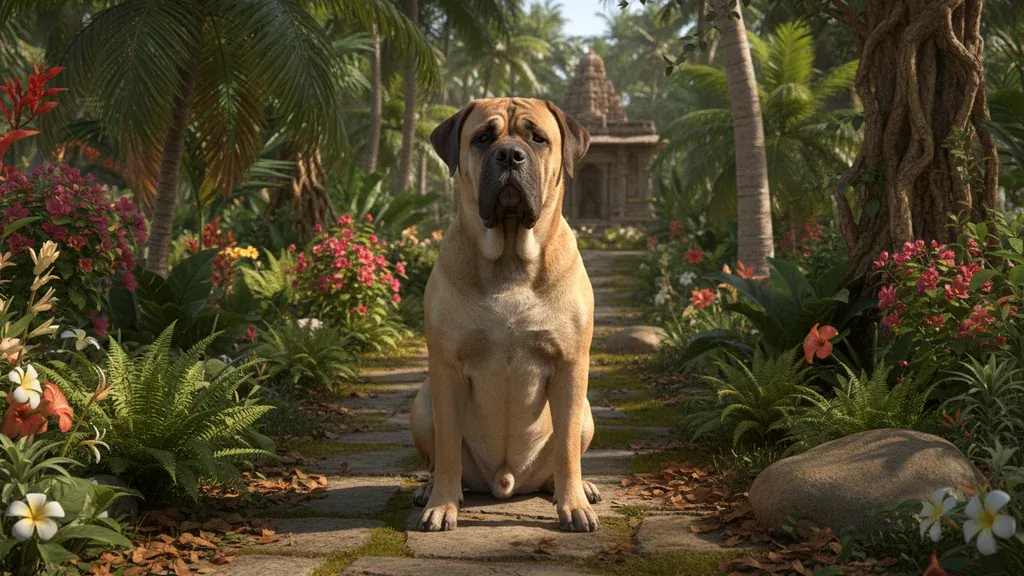
Dogue de Bordeaux, an illustrated specimen plate
Plate, Dogue de Bordeaux

The record

Size
Giant
Height at shoulder
23-27 inches
Weight
45-65kg
Lifespan
5-8 years
Group
FCI Group 2 (Molossoid) / AKC Working Group
Origin
France (Bordeaux and Aquitaine)
Period
Ancient roots, standardised in the late 19th century
Bred for
Guarding estates and livestock, cart-hauling, and historically baiting and combat
Energy
Low
Shedding
Medium
Trainability
Medium
Prey drive
Low
Pack drive
High
Protectiveness
High
Sociability
Medium
Independence
Low

A deeply attached, physically undemanding mastiff that wants to be near its people at all times and is watchful without being reactive. Sensitive to household tension and to harsh handling, the Dogue responds best to calm, consistent leadership established early.

TemperamentDevotedCalmStubbornVigilant

4 recorded ancestors stand behind this breed, nearest first. Open any one of them for what is known about it.

The account

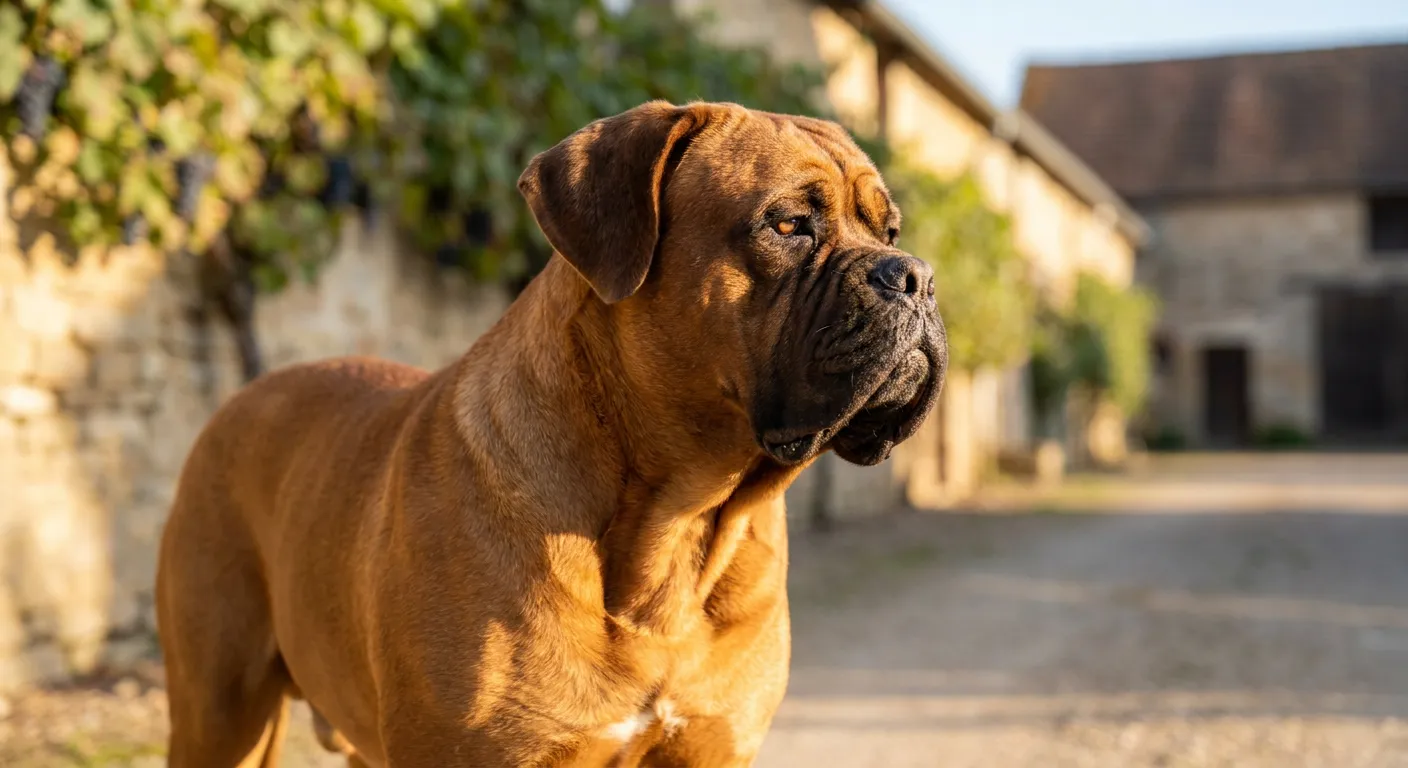
The Dogue de Bordeaux has the largest head in proportion to body of any dog breed, and almost everything about owning one follows from the consequences of that fact. It is the breed's signature and the source of its difficulties: heat regulation, birthing complications, drool, and a skeleton carrying more weight at the front than most dogs are built to.

Temperamentally it is one of the gentlest of the giant mastiffs. Bordeaux are intensely people-oriented, quiet in the house, undemanding about exercise, and genuinely distressed by separation. They are watchful rather than aggressive, the guarding instinct expresses as positioning and presence more than as noise. Owners describe them as leaning dogs, and they mean it literally.

The hard truth of the breed is longevity. A median lifespan of five to eight years is not a statistical artefact of poor breeding alone; it reflects the physiological cost of this much mass on this frame. Buying one means accepting a short relationship, and choosing a breeder who screens for cardiac disease, hip and elbow dysplasia, and who does not push for ever more extreme head type.

In India this is among the harder breeds to keep well. The climate score here is genuinely one out of five, a dense, brachycephalic, heat-generating dog in a hot country. It can be done in a cooled home by an owner who structures the day around the dog's limits, but it should not be attempted casually.
Questions people ask

How long do Dogue de Bordeaux live?
Around five to eight years, which is among the shortest of any breed. Anyone considering one should go in fully aware of this. Cardiac disease, cancer and orthopaedic problems are the common causes, and keeping the dog lean genuinely extends life.
Can a Dogue de Bordeaux cope with Indian summers?
Poorly. The heavy brachycephalic head, dense muscle mass and short muzzle make heat regulation difficult, and heatstroke is a serious risk. Air conditioning, dawn and dusk walking, and no exertion in the heat are minimum requirements.
Are they good family dogs?
With their own family, yes. They are famously affectionate, patient and attached to the point of following you room to room. They are also enormous and clumsy indoors, so very small children need supervision around them for practical reasons rather than temperament ones.
How much do they drool?
A great deal. The loose flews mean constant drool, worsened by heat and water. This is not a breed for owners who mind wet furniture and walls.
Are Dogue de Bordeaux hard to train?
They are intelligent but stubborn and sensitive to tone. They respond to calm consistency and shut down under harsh correction. Training must be established before the dog outweighs the handler, which happens early.

Nearby in the register

Back to the plate