The account
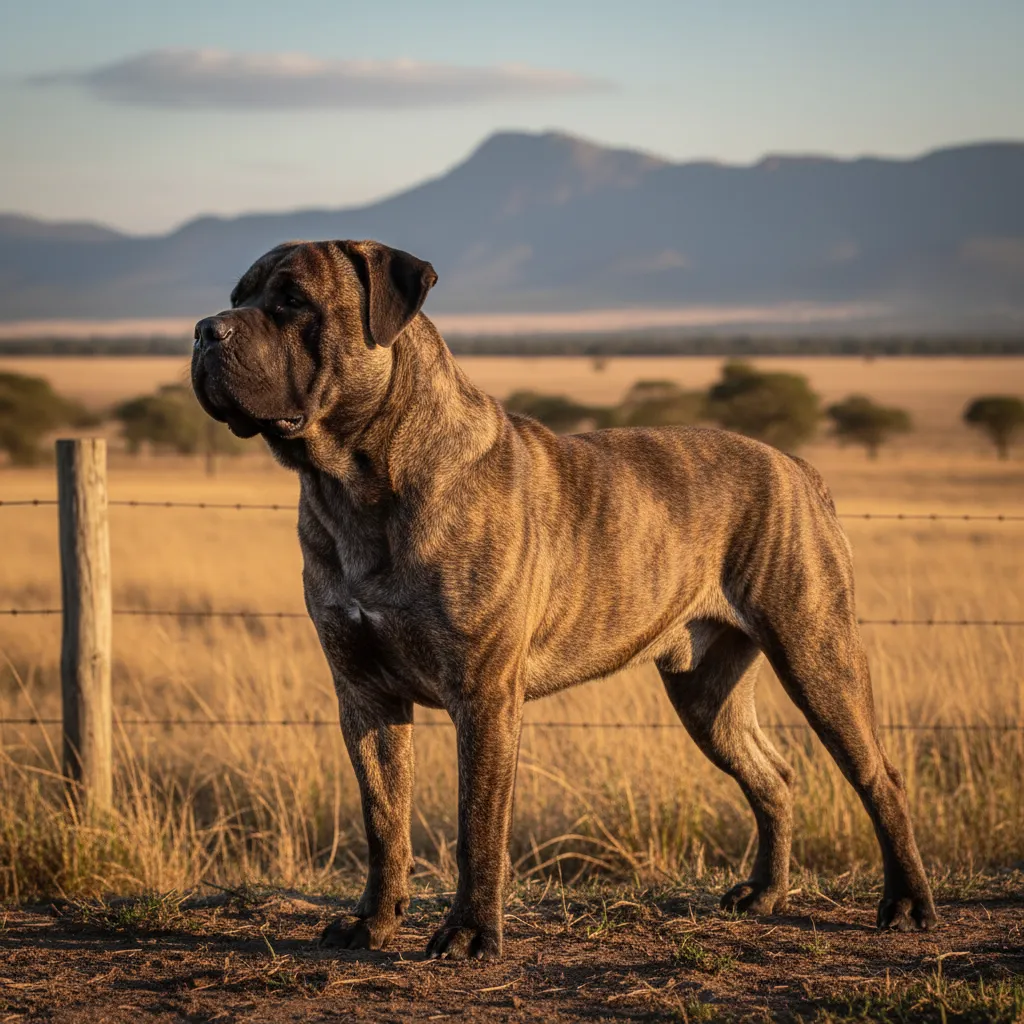
The Boerboel was bred to be the last thing between a farmstead and whatever was outside it. Boer settlers moving into the South African interior needed a dog that could work alone at a remote homestead against leopards, baboons and human intruders, and they built one from the mastiff-type dogs brought by European settlers, including the Dutch bullenbijter and the dogs of the Cape, crossed onto whatever local stock survived the conditions. The selection was ruthless in the plainest sense: dogs that could not do the job did not live long enough to breed.
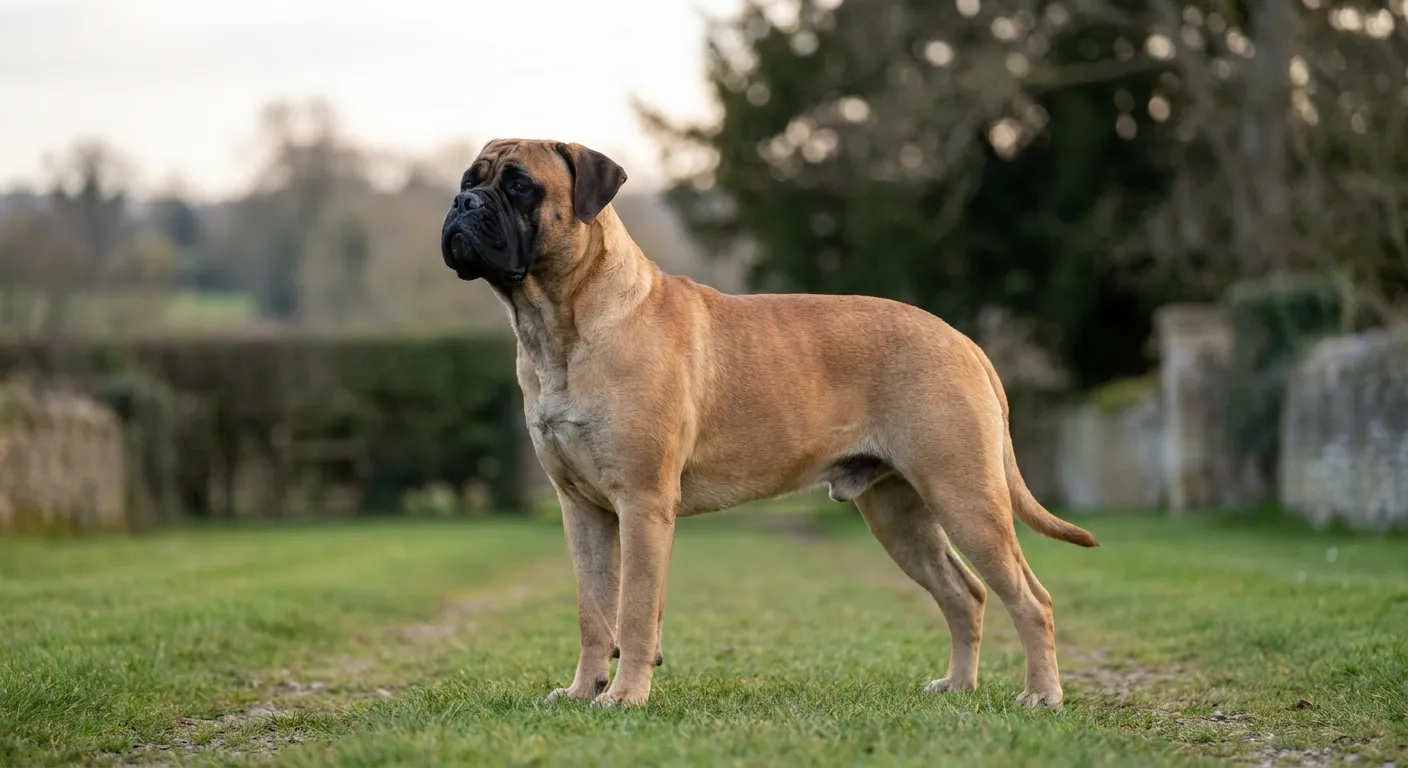
The result is a mastiff that is unusually athletic for its mass. A Boerboel is 70 kg or more of dog that moves quickly, jumps well and has considerably more stamina than its bulk suggests, the farm work required patrolling, not lying at a gate. The head is broad and heavy, the coat is short and dense, and the overall impression is of a working animal rather than a show mastiff. South African breeders standardised it formally only in the 1980s and the AKC recognised it in 2015.
Temperament is where prospective owners need to be honest with themselves. Boerboels are calm, confident and genuinely affectionate with their own families, notably tolerant of children in their household, and not nervy or reactive. They are also dominant, territorial and physically capable of causing serious harm, and they will test an owner who is inconsistent. Same-sex dog aggression is common. This breed needs early structured socialisation, a handler with real experience of large guardian dogs, and secure containment, and it is banned or restricted in several countries for reasons that are not mysterious.
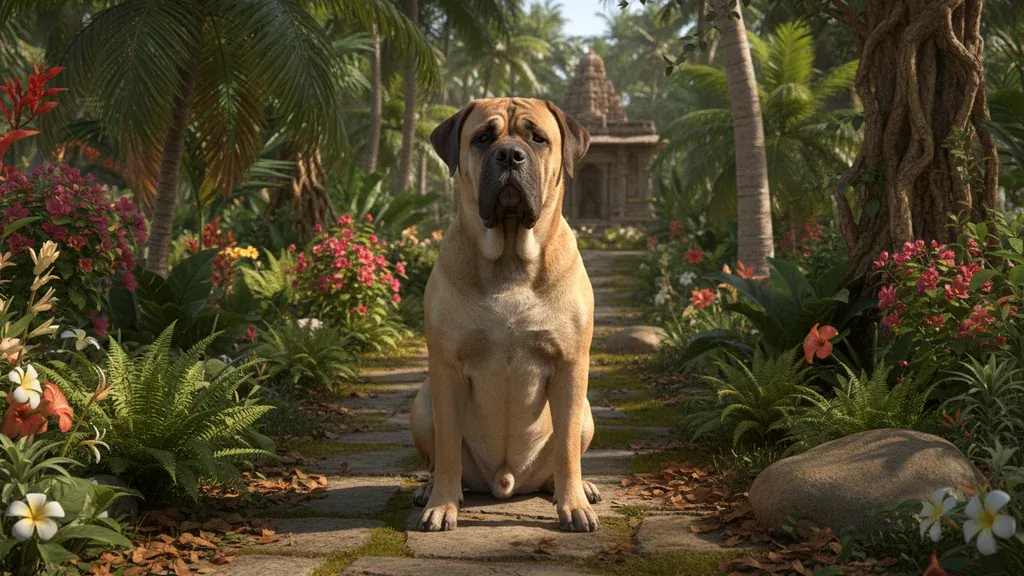
For India the climate is a genuine constraint. Short coat notwithstanding, this is a heavy, mastiff-built dog with the cooling limitations that implies, and it is uncomfortable in prolonged humid heat. Health follows the giant-breed pattern: hip and elbow dysplasia, eyelid problems, bloat risk, and a lifespan around ten to twelve years. Food costs are substantial. Availability in India is limited but not impossible, which makes breeder selection and honest self-assessment the two decisions that matter.