The account
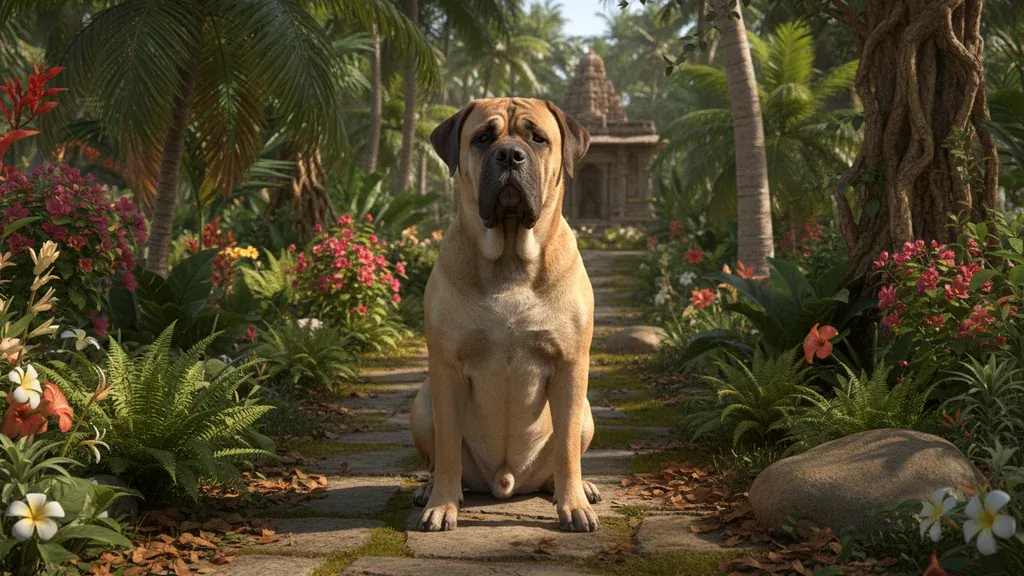
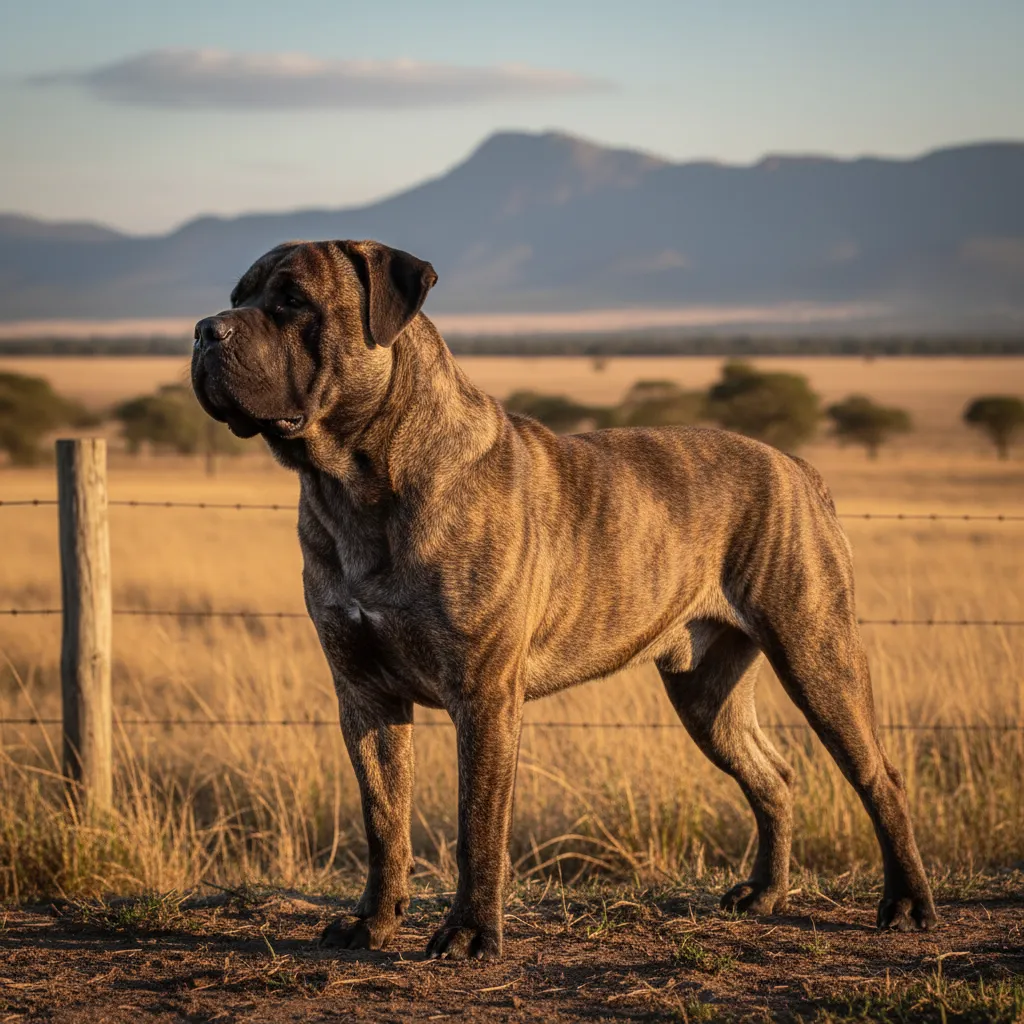
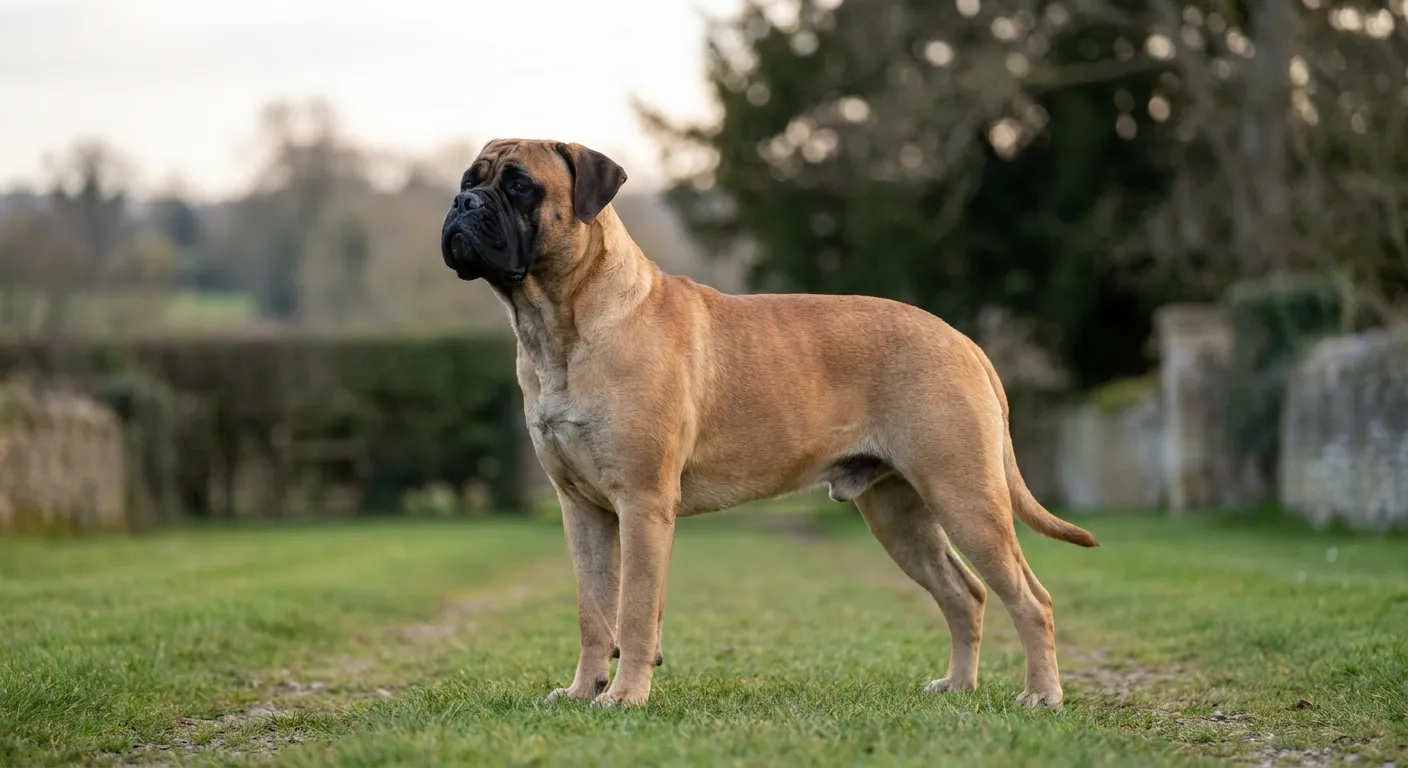
The Bullmastiff was designed for one job with unusually precise requirements. English estates in the nineteenth century had a poaching problem, and gamekeepers needed a dog that could work at night in silence, cover ground fast, knock a man down and hold him there until help arrived, without inflicting the injuries that would have created legal trouble. Roughly sixty percent Mastiff for size and forty percent Bulldog for tenacity produced exactly that, and the breed was known as the Gamekeeper's Night Dog before it had a formal name.
Every part of the modern temperament traces back to that brief. Bullmastiffs are quiet. They bark far less than most guardian breeds, because barking defeated the purpose. They are confident rather than reactive. And they are physically decisive in a way that catches owners off guard, because a dog that has decided to lean on something weighs fifty kilograms.
At home they are among the more manageable giant breeds: low energy indoors, undemanding about exercise, and genuinely affectionate with their families. The difficulty is stubbornness. A Bullmastiff that has learned something at eight months will still be doing it at eight years, so the training window matters more here than with more biddable breeds.
For Indian owners the honest constraint is heat. The shortened muzzle limits how efficiently the dog can cool itself, and the body mass generates heat faster than it can shed it. This breed can live well in India, but only with climate control treated as a requirement rather than a comfort.