Skip to content

Working (Mastiff) · India (Punjab region)

Bully Kutta

The Bully Kutta is India's giant mastiff-type guard dog, powerful, imposing, and fiercely territorial. Complete guide: temperament, training, and why this breed needs an experienced handler.

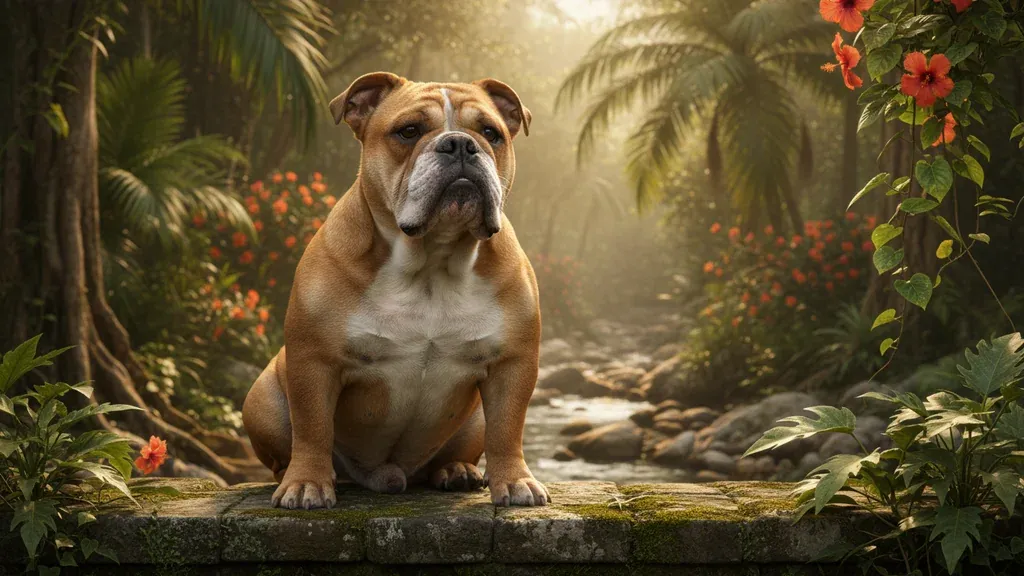
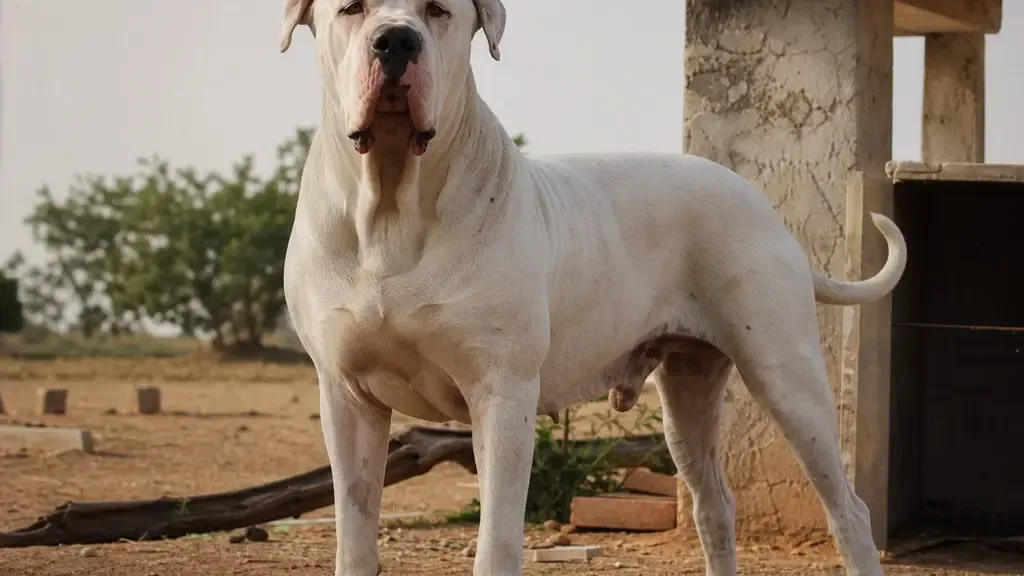
Bully Kutta, an illustrated specimen plate
Plate, Bully Kutta

The record

Size
Giant
Height at shoulder
30-36 inches
Weight
60-90kg
Lifespan
8-10 years
Group
Working (Mastiff)
Origin
India (Punjab region)
Period
16th-17th century, possibly older
Bred for
Hunting large game and guarding, descended from mastiff-type war dogs
Energy
Low
Shedding
Low
Trainability
Low
Prey drive
Medium
Pack drive
Medium
Protectiveness
High
Sociability
Low
Independence
High

A massive, dominant guardian of legendary strength. Not a dog for casual ownership, the Bully Kutta demands an experienced handler, absolute authority, and a controlled environment at all times.

TemperamentDominantProtectiveTerritorialIntimidating

3 recorded ancestors stand behind this breed, nearest first. Open any one of them for what is known about it.

The account

The Bully Kutta is the largest dog bred in the subcontinent and the least suited to almost anyone who wants one. It descends from the mastiff-type war and hunting dogs of the Punjab region, kept for pinning large game and guarding property, and it was selected for exactly one quality: the willingness to engage something bigger than itself and not stop. Everything else about the breed, the size, the low energy, the indifference to training, is downstream of that.

The name is often glossed as "heavily wrinkled dog", from the Hindi-Urdu, and has nothing to do with bulldogs. Historical accounts place mastiff-type dogs in the region from at least the Mughal period and probably far earlier, and modern Bully Kuttas remain a landrace rather than a standardised breed. There is enormous variation in size, head type and coat between lines, and a good deal of crossing with imported mastiffs and bull breeds over the last few decades. Two dogs sold under the name can look very little alike.

Living with one is a full-time commitment to control. A Bully Kutta is not hyperactive; adults are frequently described as lazy indoors and content with modest exercise. The difficulty is that a 70 kg dog with a high defensive drive, low biddability and strong dog-aggression makes every ordinary situation, a gate left open, a visiting relative, another dog on a walk, a serious event. Socialisation from puppyhood is essential and it is not sufficient on its own. This breed requires physical containment, an experienced handler, and a household that never has to improvise.

There are also welfare and regulatory realities worth knowing before going further. The breed has been associated with organised dog fighting in parts of Punjab and Pakistan, which has shaped both the bloodlines available and public perception of it, and large guardian breeds have come under increasing regulatory scrutiny in India, municipal rules vary and have changed recently, so anyone considering one should check the current position where they live. Health is the other constraint: the giant frame brings joint problems, bloat risk and a lifespan that rarely passes ten years.
Questions people ask

Is the Bully Kutta suitable for a family home?
Only in very specific circumstances. The Bully Kutta is a massive (60-90kg) territorial guardian that requires an experienced handler, absolute authority, and a securely fenced property. It can be loyal to its own family but is naturally aggressive toward strange dogs and deeply suspicious of strangers. This is not a pet. It is a working guardian. It is categorically NOT suitable for first-time owners, apartments, casual handling, or homes where the owner cannot physically control a 90kg dog.
What is the difference between the Pakistani and Indian Bully Kutta?
The Bully Kutta exists on both sides of the Punjab region. The Pakistani variant tends to be slightly taller and used more for dog fighting (now illegal). The Indian variant, particularly from Punjab and Haryana, is primarily a guard and hunting dog. Both are mastiff-type dogs of similar temperament. The Indian variant is generally preferred for guarding rather than fighting and may have slightly better temperament when well-bred and socialised.
How much does a Bully Kutta eat?
A great deal. An adult Bully Kutta eats roughly 800g-1.2kg of high-quality food per day across two meals, roughly per month in food alone. Add vet costs (giant breed medications and procedures cost more) and the total monthly cost runs. This breed is a significant financial commitment.
How well does the Bully Kutta handle a hot climate?
Better than imported mastiffs because of its South Asian origins, but still needs management. The short coat helps with heat, but the massive body mass generates significant heat. Provide shade, constant fresh water, and restrict activity to cool hours in summer. Access to cool flooring, a fan, or even AC during peak summer months is recommended. This is not a breed that thrives in extreme heat despite its Indian heritage.
Is it legal to own a Bully Kutta?
Restrictions vary by country, state and city, so check local regulations before committing. Some residential societies and apartment complexes restrict large and 'dangerous' breeds. Most jurisdictions require the dog to be licensed with the local authority. More importantly: check whether you genuinely have the experience, space, physical strength, and secure containment to own this breed responsibly. The biggest legal risk is liability if the dog injures someone.

Nearby in the register

Back to the plate