The account
Meet the English Bulldog: Dignity on Four Legs
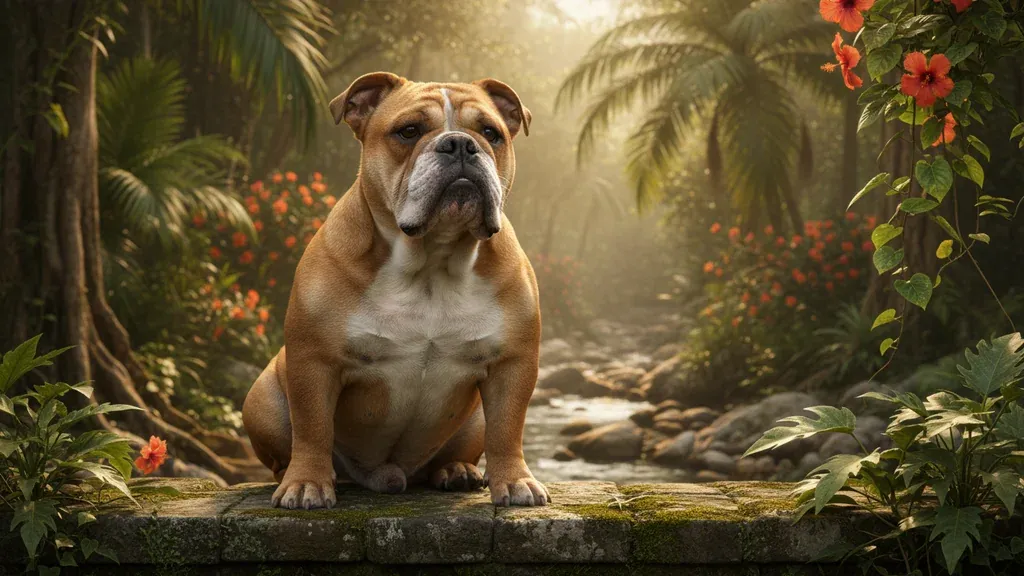
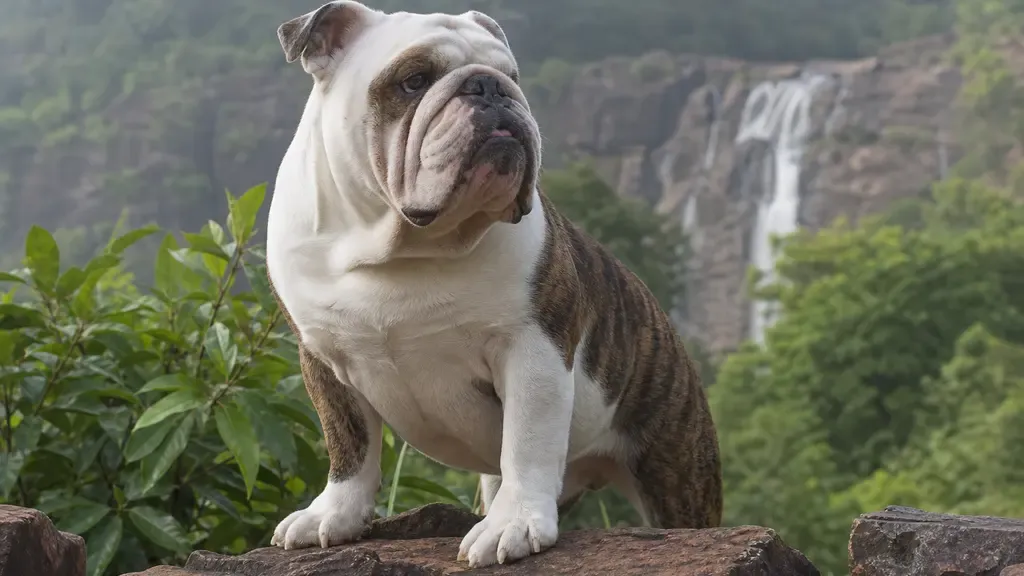
The English Bulldog is one of the most recognisable dog breeds in the world. That wrinkled face, the pushed-in nose, the wide-set stance, and the expression that somehow manages to convey both profound wisdom and complete disinterest in your opinion. This is a breed that has transformed from a brutal bull-baiting gladiator into one of the gentlest, most devoted companion dogs.
The original Bulldog of the 17th and 18th centuries was taller, more athletic, and far more aggressive, bred to grip a bull's nose and hold on in a blood sport that was banned in England in 1835. After the ban, breeders selected for gentler temperament and more compact build, creating the calmer, shorter, more wrinkled dog we know today.
That transformation came at a cost. The modern English Bulldog carries a heavy health burden, breathing difficulties, skin problems, joint issues, and heat intolerance are not occasional problems but breed-wide realities. Owning an English Bulldog means accepting these challenges and managing them with vigilance and veterinary support.
Is an English Bulldog the Right Dog for a Hot Climate?
Honestly? Only if you are prepared for the commitment. The English Bulldog is arguably the most climate-incompatible breed for tropical. Here's the unvarnished assessment:
What works: Their low energy suits apartment living perfectly. They rarely bark. They are exceptionally gentle and patient with children. They don't need long walks or intense exercise. A Bulldog will happily spend most of the day sleeping on a cool floor near you, and that's exactly what they should be doing.
What's challenging: Everything related to heat and humidity. The Bulldog's flat face means every breath is work. In temperatures above 25°C, their cooling system fails. Summer months (March through October in many regions) are dangerous for this breed. Air conditioning is not optional. It's life support. Skin folds need daily cleaning, especially during monsoon when infections can develop within 24 hours. Veterinary costs will be significantly higher than for most breeds.
If you can provide a climate-controlled home, accept the daily care routine, and are financially prepared for breed-specific health care, the English Bulldog rewards you with a devotion and presence that few breeds can match.
Daily Care: The Non-Negotiables
Skin folds: Clean and dry every fold, every day. Facial wrinkles, the rope over the nose, the tail pocket, all of it. Use a soft damp cloth, then dry completely. Apply vet-recommended antifungal powder during humid months.
Temperature: Bulldogs should live at 22-26°C year-round. If your home cannot maintain this without AC, do not get a Bulldog.
Exercise: Two short, slow walks of 10-15 minutes each, only when the temperature is below 25°C, typically dawn and late evening. No midday outings ever.
Diet: Bulldogs gain weight easily, which worsens breathing and joint problems. Feed measured portions of high-quality food. Avoid human food scraps, pancreatitis is a real risk.
Health: Be Prepared
The English Bulldog has one of the highest lifetime veterinary cost profiles of any breed. Know what you're signing up for:
- BOAS (Brachycephalic Obstructive Airway Syndrome): The structural reality of the flat face, narrowed nostrils, elongated soft palate, narrowed windpipe. Symptoms include noisy breathing, exercise intolerance, and in severe cases, collapse. Surgical correction (nares widening, palate trimming) is expensive.
- Skin Fold Dermatitis: Constant battle in humid climates. Daily cleaning is preventive; infections need antibiotics and antifungal treatment.
- Hip/Elbow Dysplasia: Exacerbated by obesity. Keep weight strictly controlled.
- Cherry Eye: Prolapsed third eyelid gland, common in the breed. Surgical replacement is usually successful.
- Entropion: Inward-rolling eyelids causing corneal damage. Needs surgical correction.
The English Bulldog typically lives 8-10 years. Those years require dedication, but for the right owner, every day with a Bulldog is a reminder that the best things in life don't need to move fast.