The account
Meet the Great Pyrenees: The Mountain's Gentle Guardian
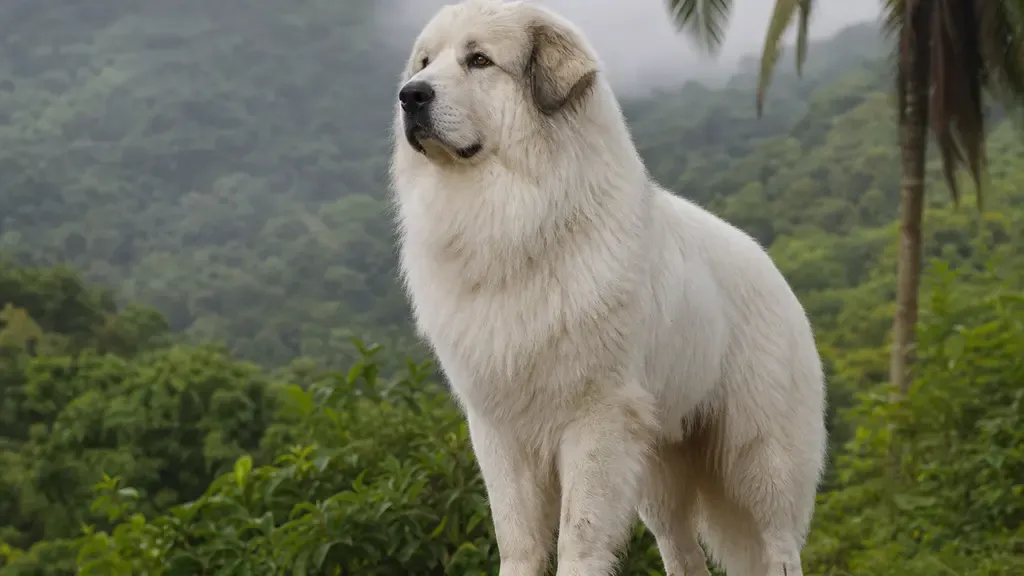
There is a quality of stillness about a Great Pyrenees that you do not find in other giant breeds. A Mastiff watches you. A Saint Bernard leans on you. A Great Pyrenees gazes past you, scanning the horizon, reading the wind, even when there is nothing out there but a suburban backyard. This is not aloofness. It is five thousand years of solitary mountain patrol written into the bones of the dog.
The Great Pyrenees was never bred to take orders. It was bred to live alone with sheep in high mountain pastures, making life-and-death decisions about predators in the dark, without a human within miles. A dog that waited for instructions would lose its flock. A dog that couldn't tell a lost lamb from a wolf would lose its flock. The Pyrenees learned to think, to judge, to act, and to rest, conserving energy for the moments that mattered.
Bringing this ancient guardian into a modern home is both a privilege and a challenge. The privilege is a dog of extraordinary calm, dignity, and devotion. The challenge is that you have not removed the mountain from the dog. You have simply brought the mountain indoors.
Living With the Great Pyrenees
What works: Their calm, low-energy indoor demeanour is surprising for a giant breed. Pyrenees are content to lounge for hours, conserving energy as their ancestors did. They are gentle with children and genuinely protective without being aggressive, a Pyrenees will place itself between its family and a perceived threat, but it prefers to deter rather than engage. They are remarkably clean and odour-free for their size. Their independent nature means they do not suffer from separation anxiety the way velcro breeds do.
What's challenging: The heat. The coat. The barking. The independence. The sheer physical size, everything costs more, from food to vet bills to replacing the coffee table they accidentally leaned against. In a context, the heat is the primary concern: this is a mountain breed, and the plains are physiologically stressful. Hill stations and cooler regions are far more suitable. Urban apartment living is a poor fit: Pyrenees need space, ideally a securely fenced yard where they can patrol (their ancestral job, even without sheep). And the barking at night is non-negotiable. This is what they were bred to do.
Coat Care: The White Mountain
The Great Pyrenees has a thick double coat: a dense, woolly undercoat beneath a long, coarse, weather-resistant outer coat. It is naturally dirt and tangle-resistant, remarkable for a white dog.
- Brushing: 2-3 times weekly during normal periods. Daily during the twice-yearly coat blow, when the undercoat sheds in enormous quantities. Use an undercoat rake followed by a slicker brush.
- Never shave: The double coat provides temperature regulation, insulation from both cold AND heat. Shaving destroys this system and exposes skin to sunburn. A shaved Pyrenees in a hot, humid summer will overheat FASTER than an unshaved one.
- Bathing: Every 8-12 weeks, or when genuinely dirty. The self-cleaning coat means they stay fresh remarkably long. Over-bathing strips natural oils.
- Professional grooming: Worth every rupee during shedding season. A high-velocity dryer can blast out loose undercoat far more effectively than brushing alone.
- Rear feathering: The long fur on the back of the legs and tail may need occasional trimming for hygiene. Check regularly for debris.
Exercise and Enrichment
Pyrenees are deceptive. Their size suggests they need marathon exercise. Their history suggests they need to run for miles. Neither is true:
- Daily requirement: 30-45 minutes of walking, ideally twice daily. They are built for endurance at low speed, not sprinting.
- Yard time: A securely fenced yard where they can patrol is ideal. This is their natural behaviour and excellent mental stimulation. The fence must be at least 6 feet high and dig-proof. Pyrenees are escape artists when motivated.
- Heat management: Exercise only at dawn and after sunset during summer. Watch for heavy panting. A Pyrenees will push itself to stay with you. You must be the one to call it quits.
- Mental stimulation: They respond well to tasks rather than tricks. "Patrol the perimeter" (walk the fence line), "check the yard", framing activities as guardian duties engages them more than "sit" and "stay" ever will.
Training the Independent Guardian
Training a Great Pyrenees is different from training any other breed. The usual advice, consistency, repetition, treat rewards, works, but only if you understand the fundamental dynamic:
The Pyrenees is not disobedient. It is independently-minded. It will consider your request and decide whether it makes sense. If it does, the Pyrenees will comply, calmly, without enthusiasm, as if it had planned to do that anyway. If it doesn't, the Pyrenees will ignore you, not defiantly, but with the serene confidence of a being that has weighed the matter and found your suggestion wanting.
Training tips:
- Start young, before the independence fully develops. A 20kg puppy is persuasive; a 50kg adult is immovable.
- Socialise extensively. Pyrenees that are not socialised become suspicious of all strangers, a guardian trait that becomes problematic in urban settings.
- Use only positive methods. Harsh corrections damage the trust bond, and a Pyrenees that doesn't trust you cannot be trained at all.
- Work with their instincts, not against them. "Watch" and "check it out" commands tap into guardian behaviour more effectively than circus tricks.
- Accept that some things cannot be trained out. The barking. The nocturnal activity. The independent assessment of threats. You manage these; you don't eliminate them.
Health
Giant breeds live shorter lives, and the Great Pyrenees is no exception. Their health profile reflects both their size and their ancient, relatively un-modified genetics:
- Hip and Elbow Dysplasia: Common in giant breeds. Ensure puppy parents are tested. Maintain lean body condition, excess weight is catastrophic for dysplastic joints.
- Bloat (Gastric Dilatation-Volvulus): Life-threatening emergency where the stomach twists. Feed two meals, not one. No exercise for one hour after eating. Know the symptoms: unproductive retching, distended abdomen, restlessness. Immediate vet, minutes matter.
- Osteosarcoma (Bone Cancer): Higher incidence in giant breeds. Any unexplained lameness in a middle-aged Pyrenees should be investigated.
- Patellar Luxation: Slipping kneecaps, more common in Pyrenees than other giants.
- Entropion: Inward-rolling eyelids requiring surgical correction.
- Anesthesia Sensitivity: Pyrenees often require lower doses of certain anesthetics. Ensure your vet knows this breed-specific consideration.
Is a Great Pyrenees Right for You?
A Great Pyrenees is for someone with space, a house with a yard, not an apartment. Someone in a cooler climate or with the resources to manage a mountain dog in the heat. Someone who doesn't need an obedient dog but appreciates an independent one, a partner who cooperates rather than obeys. Someone with secure fencing, tolerant neighbours (the barking), and the physical strength to handle a 50kg dog that occasionally decides it would rather go left than right.
It is for someone who finds the Pyrenees' famous "Pyrenees lean", the gentle, full-body press against your legs, to be the most reassuring feeling in the world. Because a Pyrenees does not lean on just anyone. It leans on its flock. And to a Great Pyrenees, that is exactly what you are.