The account
Is a Chihuahua a good fit for apartment life?
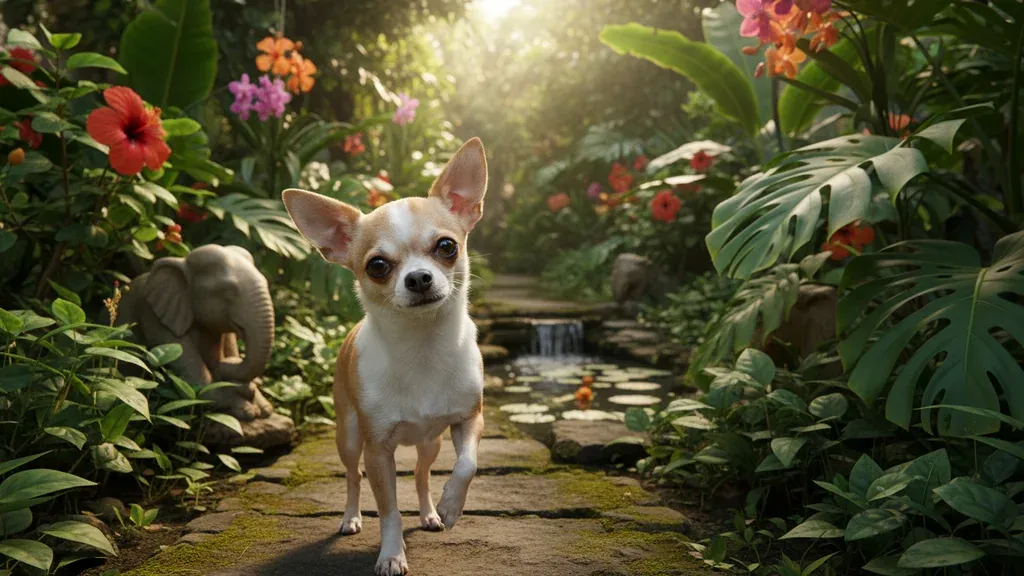
For city dwellers, the Chihuahua is one of the best-suited breeds, but its biggest care challenge is its own fragility. Weighing just 1 to 3 kg, it needs almost no space, copes well with heat, and lives 14 to 18 years. The flip side is that this tiny dog is easily injured, easily chilled, and quick to bark, so the work is mostly about protection and patient training.
What keeping a Chihuahua well actually involves:
- Guard against injury. A jump off a sofa or a missed step can break a Chihuahua's leg. Watch underfoot and discourage high jumping.
- Keep them warm. They feel cold sharply; a sweater helps in winter or strong air-conditioning.
- Train the barking early. Their alarm instinct is strong, so teach a "quiet" cue from the start.
- Protect the teeth. Toy breeds are prone to dental disease, so brushing matters more than owners expect.
- Socialise widely. Without it, a Chihuahua can become a one-person, stranger-wary dog.
The honest summary: a Chihuahua delivers a huge personality and minimal space demands, ideal for flats. Treat it as the delicate dog it is, and it will be a devoted companion for well over a decade.
Exercise Requirements
A Chihuahua needs only about 20 to 30 minutes of activity a day, but it does genuinely need it; "small" does not mean "couch ornament." Two short walks plus a bit of indoor play keep both body and mind ticking over. Their little legs cover surprising ground, so a walk that feels brief to you is real exercise for them.
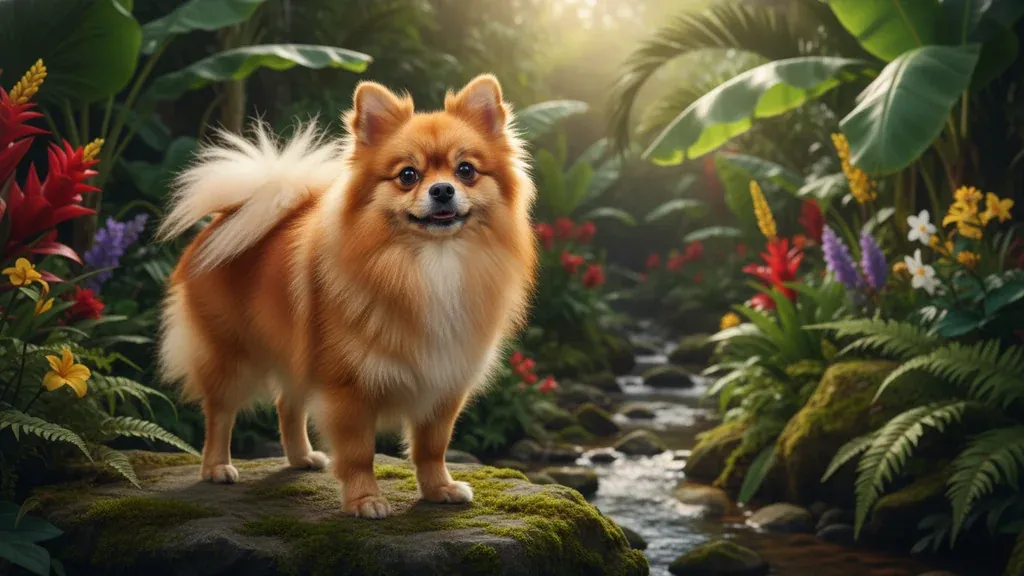
Indoors, this breed entertains easily. A rolling ball, a game of find-the-treat, or a small puzzle toy burns mental energy and curbs the boredom barking the breed is known for. During peak summer or the monsoon, indoor play is plenty. Keep walks to the cool hours and carry water, and in winter pop on a sweater so a chilled Chihuahua does not cut a walk short. For another small, spirited companion that thrives in flats, the Pomeranian has a similar bold, alert character.
Grooming Routine
Chihuahuas are wonderfully low-maintenance to groom, which adds to their apartment appeal. Smooth-coated dogs need only a weekly once-over with a soft brush or rubber mitt, while the long-coated variety benefits from two or three gentle brushings a week to prevent tangles behind the ears and on the legs. Shedding is light year-round.
Bathe every four to six weeks, or sooner if your Chihuahua gets into something, using a mild dog shampoo and drying them well so they do not chill. The detail work matters most in this breed: brush the teeth several times a week, since toy breeds are highly prone to dental disease, and trim the small, fast-growing nails every couple of weeks. Check the ears for wax and the eyes for discharge during your weekly groom. In polluted cities, a quick wipe-down after walks keeps their skin and coat clean.
Training Approach
Chihuahuas are bright and capable, but their reputation for being "untrainable" comes from owners treating them as accessories rather than dogs. Use the same positive, reward-based methods you would for any breed, small treats, praise, and short sessions, and a Chihuahua learns quickly. They respond poorly to being startled or scolded, which only feeds anxiety and snapping.
The two priorities are barking control and socialisation. Teach a calm "quiet" cue early, and expose your puppy gently and often to new people, sounds, and other dogs so the breed's natural wariness does not harden into fearfulness. House-training can take patience with such a tiny bladder, so be consistent and consider indoor pee pads during heavy monsoon spells. Avoid "small-dog syndrome", let the Chihuahua be a dog, with rules, and the diva behaviour fades.
Feeding Guidelines
Portion precision matters enormously for a 1 to 3 kg dog, where even a few extra treats represent a big chunk of daily calories. Feed a quality small-breed food formulated for their fast metabolism, two meals a day for adults and three to four small meals for puppies. Tiny Chihuahua puppies can be prone to low blood sugar, so do not let them go too long between meals.
Choose treats sized for a toy mouth and count them into the daily total to prevent the obesity that strains little joints. Keep the usual toxins, chocolate, grapes, onions, and oily, spiced leftovers, well out of reach, as a small dog needs only a tiny amount to fall seriously ill. Because steady digestion supports overall health in long-lived toy breeds, some owners add a gut-health routine to their care. Check with your vet before any significant diet change.
Health Considerations
Chihuahuas are generally long-lived and hardy for their size, but they carry a few breed-specific risks worth knowing. The main ones are dental disease (crowded teeth in a tiny jaw), patellar luxation (slipping kneecaps), heart problems, and a soft spot on the skull called a molera. Watch for skipping or hopping on a back leg, bad breath, coughing, or any head trauma, and have them checked promptly.
Prevention leans on dental care, weight control, and routine veterinary visits. Keep core vaccinations against parvovirus and canine distemper current, since tiny dogs are especially vulnerable to these infections, and maintain tick and flea control even for an indoor dog, as ticks carry illnesses like ehrlichiosis. Handle your Chihuahua gently, support its body when lifting, and never leave it where a fall could injure it. Preventive care is modest and pays off across a long life.
Living Situation
The Chihuahua is arguably the perfect apartment dog: minimal space needs, light shedding, quiet enough for close quarters once trained, and content with indoor play. It bonds intensely, often to one person, and genuinely enjoys being a lap companion, so it suits singles, couples, and seniors as much as families. It dislikes being left alone for long stretches.
Around children it needs supervision; its fragility means rough toddler play can cause real injury, and a frightened Chihuahua may snap. Homes with gentle, older kids tend to work best. For the climate, give your Chihuahua a warm, draught-free bed and a sweater in winter, plus shade and water in summer. Keep balconies and gaps secured, because a curious, tiny dog can slip through spaces you would never expect.
Did You Know?
The Chihuahua is one of the oldest dog types in the Americas, with roots stretching back over a thousand years to the Techichi, a small companion dog kept by the Toltec and later Aztec peoples of Mexico. These little dogs were woven into Mesoamerican spiritual life and often buried alongside their owners, believed to guide souls into the afterlife. The modern breed was "rediscovered" by American visitors in the late 1800s in the Mexican state of Chihuahua, which gave it its name.
Despite weighing as little as a kilo, the Chihuahua is officially the world's smallest dog breed, and it packs a personality wildly out of proportion to its size, alert, brave, and famously unwilling to back down from much larger dogs. The breed became a global pop-culture icon through the Taco Bell mascot and films like Legally Blonde, cementing its image as the ultimate handbag companion. In, Chihuahuas have surged in popularity in metros precisely because they fit compact apartment life, ask little of busy owners, and live remarkably long. For all the glamour, they remain at heart an ancient companion dog, bred for nothing more, or less, than devotion to their humans.
Frequently Asked Questions
Q: Are Chihuahuas good apartment dogs?
A: Excellent ones. At 1 to 3 kg, a Chihuahua needs very little space and is perfectly happy in a city flat, which makes it ideal for apartment living. It still needs daily short walks and play for its mind. The main job is protecting such a tiny, fragile dog from injury indoors.
Q: Do Chihuahuas handle tropical heat and cold well?
A: They handle heat reasonably but feel cold sharply. Their tiny bodies lose warmth fast, so in North mild winters or air-conditioned rooms a Chihuahua may shiver and benefit from a sweater. In summer, give shade and water and walk in the cool hours like any breed.
Q: Why does my Chihuahua bark and tremble so much?
A: Barking is the breed's natural alarm instinct, which makes them surprising watchdogs, but it needs early training to stay manageable. Trembling is usually cold, excitement, or anxiety rather than illness, though persistent shaking with other symptoms warrants a vet check. Calm, consistent handling reduces both.
Q: Are Chihuahuas safe around small children?
A: With care. Chihuahuas are tiny and easily injured by rough handling, and they may snap when frightened, so they suit homes with gentle, older kids better than toddlers. Always supervise interactions and teach children to sit calmly rather than grab or chase the dog.
Q: What is the monthly cost of keeping a Chihuahua?
A: The recurring monthly costs are quality small-breed food, routine vet care and vaccinations, and occasional grooming. Dental cleanings and senior care can raise costs, as the breed is prone to tooth problems.