Skip to content

Working (Guard) · India (Andhra Pradesh)

Pandikona

The Pandikona is Andhra Pradesh's rare guard dog, tough, territorial, and fiercely loyal. Complete guide: temperament, training, and why this endangered Indian breed is a serious guardian.

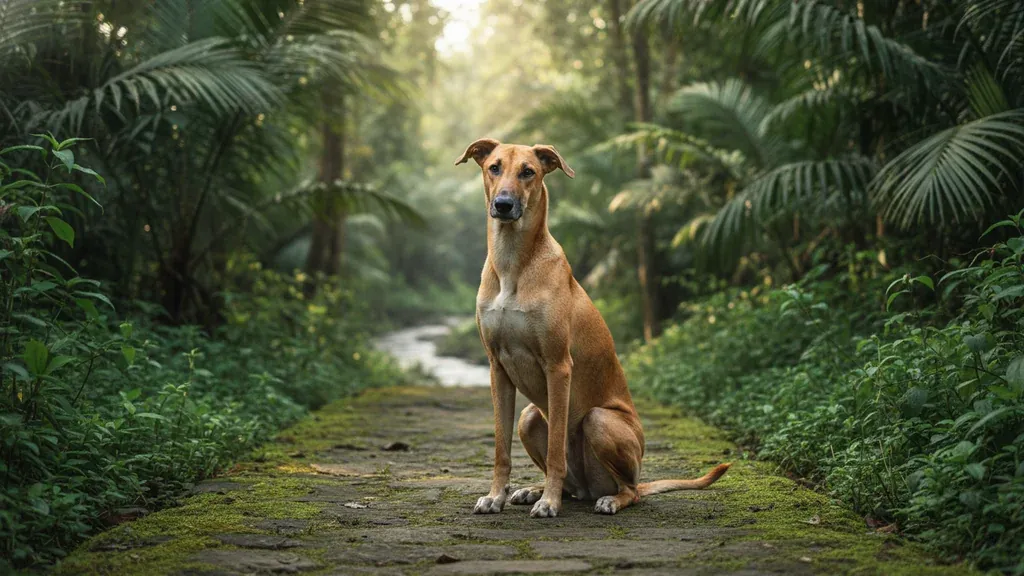
Pandikona, an illustrated specimen plate
Plate, Pandikona

The record

Size
Medium-Large
Height at shoulder
22-26 inches
Weight
22-30kg
Lifespan
10-14 years
Group
Working (Guard)
Origin
India (Andhra Pradesh)
Period
Medieval period onward, from the Kurnool region of Andhra Pradesh
Bred for
Guarding homesteads and livestock; hunting small game
Energy
Medium
Shedding
Low
Trainability
Medium
Prey drive
Medium
Pack drive
High
Protectiveness
High
Sociability
Low
Independence
High

A tough, territorial farm guardian from Andhra's Kurnool region. Naturally protective and deeply suspicious of strangers, a working dog that needs a job, space, and an experienced handler.

TemperamentFearlessTerritorialLoyalAlert

1 recorded ancestor stand behind this breed, nearest first. Open any one of them for what is known about it.

The account

The Pandikona is a farm guardian from the Kurnool district of Andhra Pradesh, and it is one of the few Indian breeds that is still doing the job it was bred for. It is kept by shepherd and farming families around the village that gives it its name, largely by the same free-breeding, function-first method that produced it, dogs that guard well are bred, dogs that do not are not, and no one keeps a stud book. That is why the type has stayed consistent while more fashionable breeds have drifted.

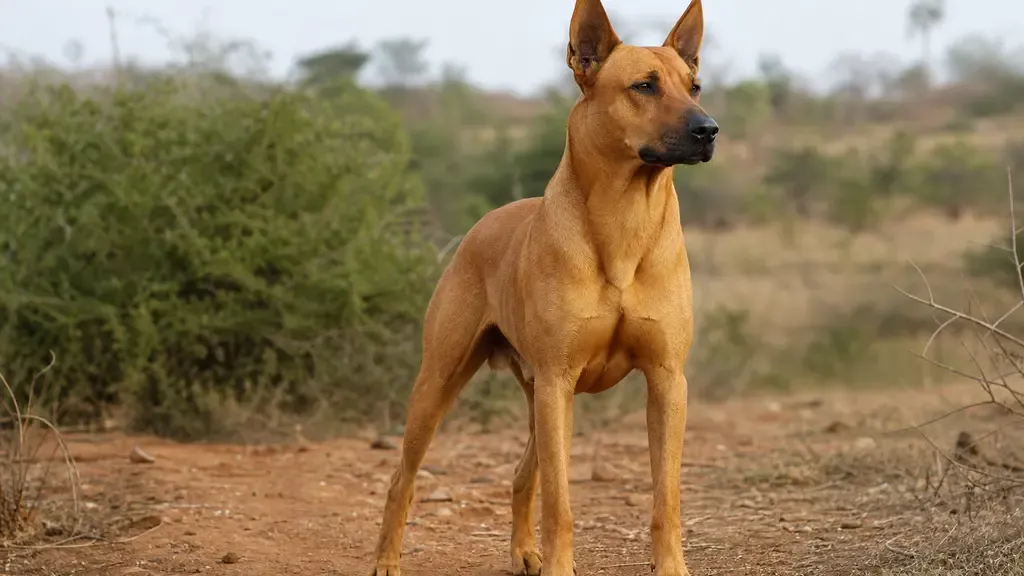
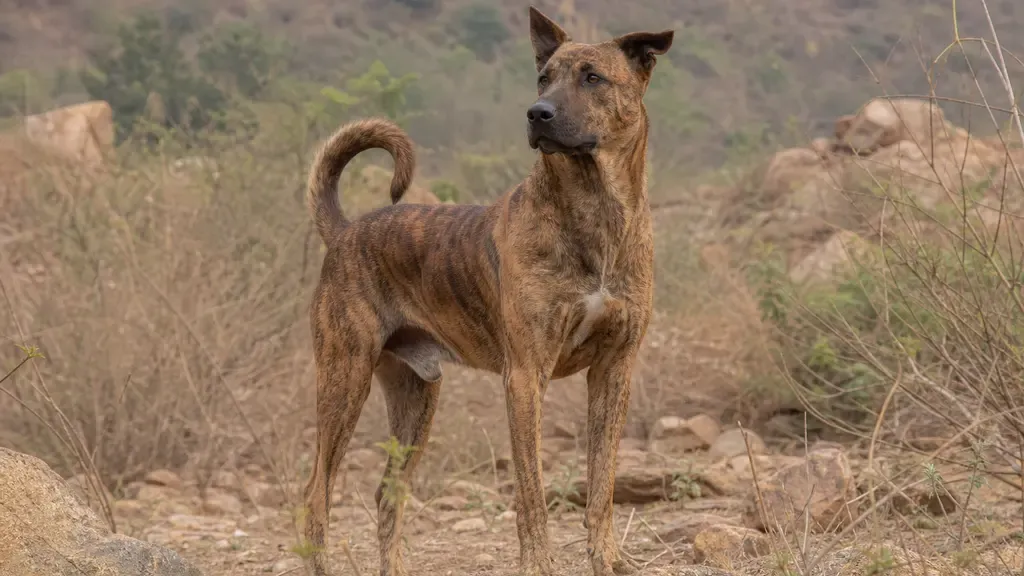
It is a lighter, quicker dog than the mastiff-type guardians of the north. The Pandikona works dry, hot, rocky country in the Rayalaseema region, where a heavy coat and a heavy frame are liabilities, so it evolved as a medium-large, short-coated, athletic animal that patrols rather than sits. Some lines are also used for hunting small game, which is unusual for a guardian and shows in the alertness and the moderate prey drive.

The character is territorial in a specific and manageable way. A Pandikona knows its boundary, watches it, and reacts to what crosses it, but it is not indiscriminately hostile, and within the household it is affectionate and level. Where owners get into trouble is with the independence. This is a dog that has spent centuries making its own calls at night with no human present, and it does not defer easily. Training works if it is consistent and early and if the handler is credible; it does not work as negotiation.

For rural and semi-rural Indian homes this is close to an ideal breed: perfectly heat-adapted, low grooming, low food cost for its size, few inherited health problems, and a long working life. For apartments it is entirely unsuitable. The main obstacle is that the breed remains almost unknown outside its home districts and has no organised breeding, which is also, for now, what has kept it authentic. Getting one means going to Kurnool.
Questions people ask

What makes the Pandikona different from other Indian guard dogs?
The Pandikona is a versatile farm guardian from Andhra's Kurnool region, tough, alert, and naturally territorial. Unlike the Kombai (which is primarily a gripping guard) or the Rajapalayam (a sighthound-guard), the Pandikona is an all-purpose farm protector that guards, hunts small game, and watches over livestock. It is medium-sized, lean, and extremely hardy, with strong guarding instincts and high territoriality.
Is the Pandikona suitable for a family?
Only with significant caveats. The Pandikona bonds deeply with its family and is protective of children it has been raised with. However, it is naturally suspicious of strangers, territorial, and independent. It needs an experienced handler, extensive socialisation from puppyhood, and a secure rural or semi-rural setting. It is not a city dog, not an apartment dog, and not a first dog. In the right environment, it is a devoted and capable guardian.
How well does the Pandikona handle a hot climate?
Perfectly. The Pandikona evolved in the hot, dry Kurnool region of Andhra Pradesh, one of India's toughest environments. Its short coat, lean build, and natural hardiness make it one of the most climate-adapted guardian breeds you can own. It handles extreme heat and drought conditions better than any imported guard dog.
How rare is the Pandikona?
Critically rare. The Pandikona is endangered even within Andhra Pradesh and nearly unknown outside the state. It survives primarily through rural farmers in the Kurnool area who maintain working lines. Organised breeding is almost non-existent. Finding a genuine Pandikona puppy requires travelling to source villages in Kurnool district, building relationships with local owners, and verifying the dog's lineage personally.
What is the monthly cost of keeping a Pandikona?
Running costs vary a great deal by country and city. Food, routine vet care, and tick prevention. As a hardy indigenous breed, maintenance costs are low. The short coat needs minimal grooming. The real cost is not financial. It is the commitment to providing a secure, spacious rural or semi-rural environment, extensive socialisation, and experienced handling.

Nearby in the register

Back to the plate