The account
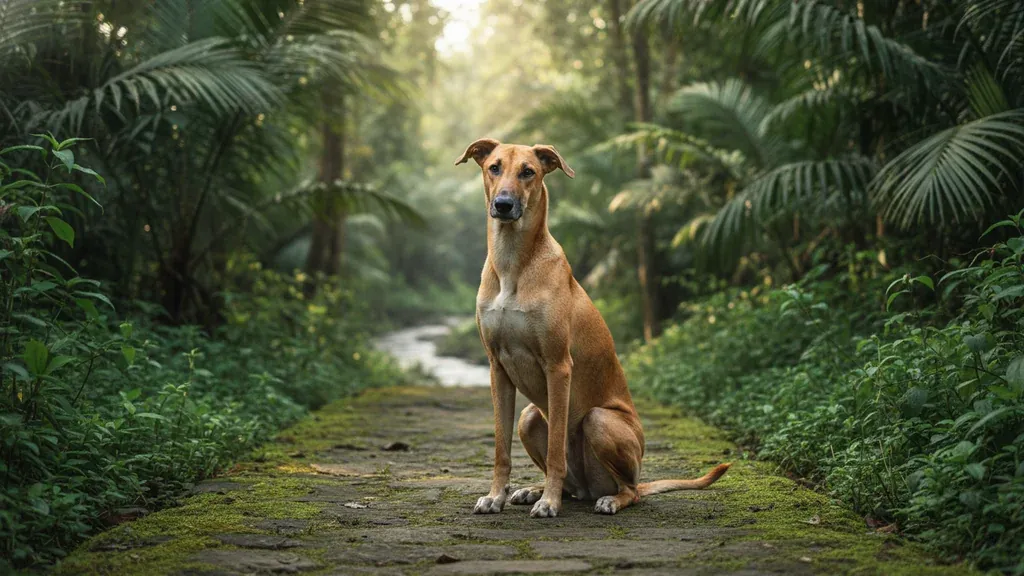
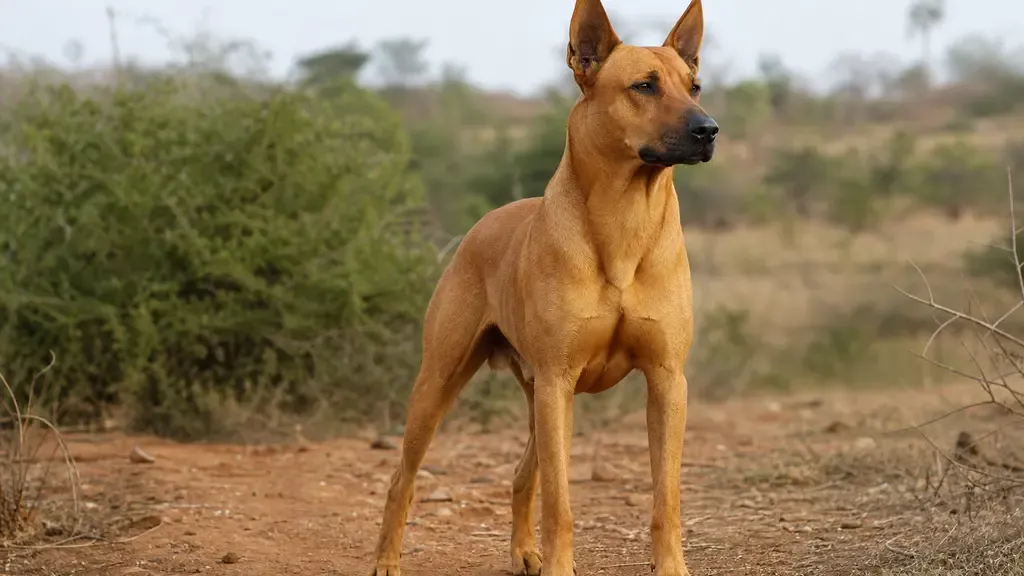
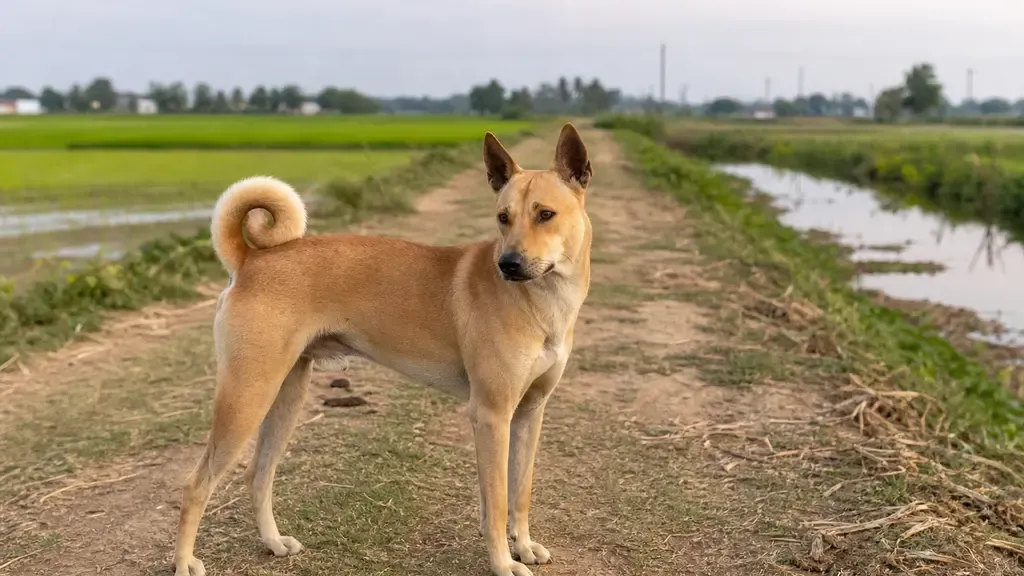
The first thing anyone notices about a Jonangi is the sound it makes instead of barking, a rolling, howl-like yodel somewhere between a Basenji's baroo and a coyote's call, which owners either find charming or find out about too late. It is the breed's most distinctive trait and probably a consequence of its most distinctive job: this is India's duck-herding dog, developed in the Krishna and Godavari delta of Andhra Pradesh to work poultry and livestock around wetland and paddy.
That specialisation is genuinely unusual. Most Indian landraces are hunters, guards or general village dogs; the Jonangi is a herder, and it works birds, a task requiring the ability to move a flock without damaging it, at close quarters, in water and mud. The dogs are medium-sized, light, and short-coated with a slightly wrinkled forehead, and they have a habit of digging pits to lie in during the heat of the day, which fishing and farming communities in the delta treat as normal behaviour rather than a problem.
As a companion the Jonangi is easier than most Indian working breeds. It is genuinely trainable, socially attuned, and forms strong attachments to its household, the pack drive is high and the independence is only moderate, which is a rare combination in this group. It also retains a working dog's energy and will not tolerate being under-occupied. The vocalisation is worth thinking about seriously in a flat: a Jonangi that is bored is a Jonangi that yodels, and neighbours will not read it as charming.
The breed is in trouble. Mechanised farming, shrinking wetland and the decline of small-scale duck rearing have removed the work it existed for, and numbers fell sharply through the late twentieth century. Conservation efforts in Andhra Pradesh have slowed the decline but the population remains small and concentrated. For anyone in coastal Andhra with space and interest, this is one of the most rewarding and most endangered dogs in the country; for anyone else, it is very hard to obtain honestly.
-1759995710148.webp/1920.webp)