The account
Meet the Papillon: The Butterfly-Eared Genius
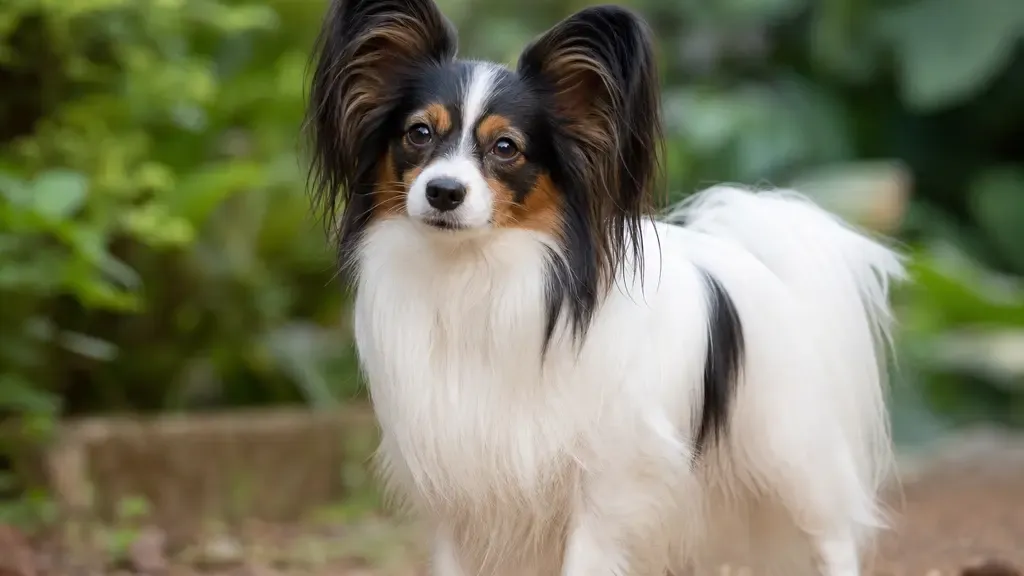
The Papillon is proof that size has nothing to do with substance. At 3 kilograms, with fringed ears that spread like butterfly wings and a plume of a tail curled over its back, it looks like a living ornament, something Marie Antoinette might have tucked into a sleeve. And indeed, Marie Antoinette did have one. But to see the Papillon as merely decorative is to profoundly misunderstand the breed.
Beneath that silky coat and those impossible ears lies a brain that consistently ranks among the top toy breeds, and often among the top of ALL breeds, in intelligence testing. Papillons learn commands faster than Golden Retrievers. They solve puzzles that stump larger, supposedly smarter breeds. They compete in agility at levels that would challenge Border Collies. And they do all of this while weighing less than a bag of rice.
The name "Papillon" means "butterfly" in French, a reference to the large, fringed ears that spread horizontally like butterfly wings. The drop-eared variety is called "Phalène" (moth), and both ear types can appear in the same litter. The breed's formal name is the Continental Toy Spaniel, reflecting its European origins in the Renaissance courts where tiny spaniels were the must-have accessory for nobility.
Living With the Papillon
What works: Their tiny size makes them perfect for apartments. Their single coat means less shedding and easier maintenance than double-coated toy breeds. Their intelligence makes training a joy rather than a chore. They are portable, travel well, and charm everyone they meet. Their exercise needs, while real, can be met indoors with play and training when outdoor walks are impractical. They are clean, relatively quiet, and genuinely entertaining to live with.
What's challenging: Their intelligence demands engagement. A bored Papillon is not a lazy dog. It is a dog that will find something to do, and its choices tend toward the creative and destructive. Their small size makes them physically vulnerable, to falls, to larger dogs, to careless handling. Their confidence can become bossiness if not managed, a Papillon that believes it runs the household is not a hypothetical concern. And, the breed is still rare, meaning finding a reputable breeder may require significant research and possibly travel.
Coat Care: Surprisingly Simple
The Papillon's coat is one of the breed's great under-appreciated features: beautiful to look at, remarkably practical to maintain.
- Single coat: No undercoat means significantly less shedding than double-coated breeds. The silky hair does shed, but the volume is modest.
- Brushing: 2-3 times per week with a pin brush. The ear fringe needs gentle, careful brushing. It is the breed's crowning glory and tangles if neglected. The tail plume and leg feathering also need attention.
- No trimming needed: Unlike many toy breeds, Papillons are shown naturally, no clipping, stripping, or sculpting. The coat is meant to flow.
- Bathing: Every 3-4 weeks. Their clean nature means they rarely develop doggy odour.
- Dental care: Every small breed needs dental attention, and Papillons are no exception. Daily brushing prevents the periodontal disease that plagues toy breeds.
- Professional grooming: Optional. Many Papillon owners maintain the coat entirely at home. A professional tidy-up every few months for nails and sanitary areas is sufficient.
Exercise and the Active Mind
Do not let the size fool you. Papillons have energy and they need to use it:
- Daily walks: Two 20-minute walks, or one longer walk plus indoor play.
- Play: Papillons love fetch, chase, and interactive toys. Short, intense bursts of activity followed by rest.
- Agility: This is where Papillons truly shine. They are natural agility dogs, fast, focused, and fearless. Many Papillon owners discover the sport through their dogs. In, canine agility is growing, a Papillon in agility class will turn heads and collect ribbons.
- Mental games: Puzzle toys, hide-and-seek, trick training. A Papillon's brain needs as much exercise as its body. Five minutes of training tires a Papillon more than twenty minutes of walking.
Training the Tiny Genius
Papillons want to learn. This makes training fundamentally different from stubborn or independent breeds. The challenge is not motivation. It is keeping up with them:
- Positive reinforcement is essential. Papillons are sensitive and shut down under harsh treatment.
- They learn commands in fewer repetitions than almost any other toy breed. A Papillon that has done "sit" three times understands "sit."
- House training is generally straightforward with consistency. Their small bladder means more frequent trips outside, but their desire to be clean means they catch on quickly.
- The real challenge: preventing small dog syndrome. A Papillon that is carried everywhere, never corrected, and treated like a baby will become a tyrant. Train them like the intelligent dogs they are.
- Socialisation is critical. Expose Papillon puppies to a wide variety of people, dogs, and situations. Their confidence is an asset, but unsocialised confidence becomes fear-based reactivity.
- They excel at trick training, canine sports, and anything that engages their quick mind. A Papillon that knows twenty tricks is a Papillon that is happy.
Health
Papillons are generally a healthy, long-lived breed with relatively few catastrophic genetic conditions. That said:
- Patellar Luxation: Slipping kneecaps are common in all toy breeds. Mild cases are managed; severe cases need surgery. Check puppy parents' knee certification.
- Progressive Retinal Atrophy (PRA): Inherited blindness. DNA test available, reputable breeders test their dogs.
- Dental Disease: Small mouths crowd teeth, creating perfect conditions for plaque and decay. Daily brushing and regular dental checks prevent expensive extractions.
- Collapsing Trachea: Common in toy breeds. Use a harness, never a collar, for walks. Pressure on the throat from collar-leash combinations can damage the trachea over time.
- Fontanelle: Some Papillons retain an open soft spot on the skull into adulthood. This is not typically a problem but requires awareness, a head injury that would be minor in another dog could be serious in a Papillon with an open fontanelle.
- Lifespan: 13-16 years is typical. Well-cared-for Papillons routinely reach their late teens. This is a long commitment, plan accordingly.
Is a Papillon Right for You?
A Papillon is for someone who wants a small dog that does not act small. Someone who enjoys training, puzzles, and interactive play. Someone who appreciates intelligence and confidence in a tiny package. Someone without very young children who might accidentally injure a 3kg dog. And someone who is willing to seek out a reputable breeder, the Papillon's rarity means patience is required, but the reward is a companion of extraordinary charm and capability.
If you want a living ornament that sits quietly on a cushion, the Papillon is the wrong breed. If you want a tiny athlete, a pocket genius, a butterfly-eared partner in crime, the Papillon may be exactly what you are looking for.